
CASHEW NUT SHELL OIL

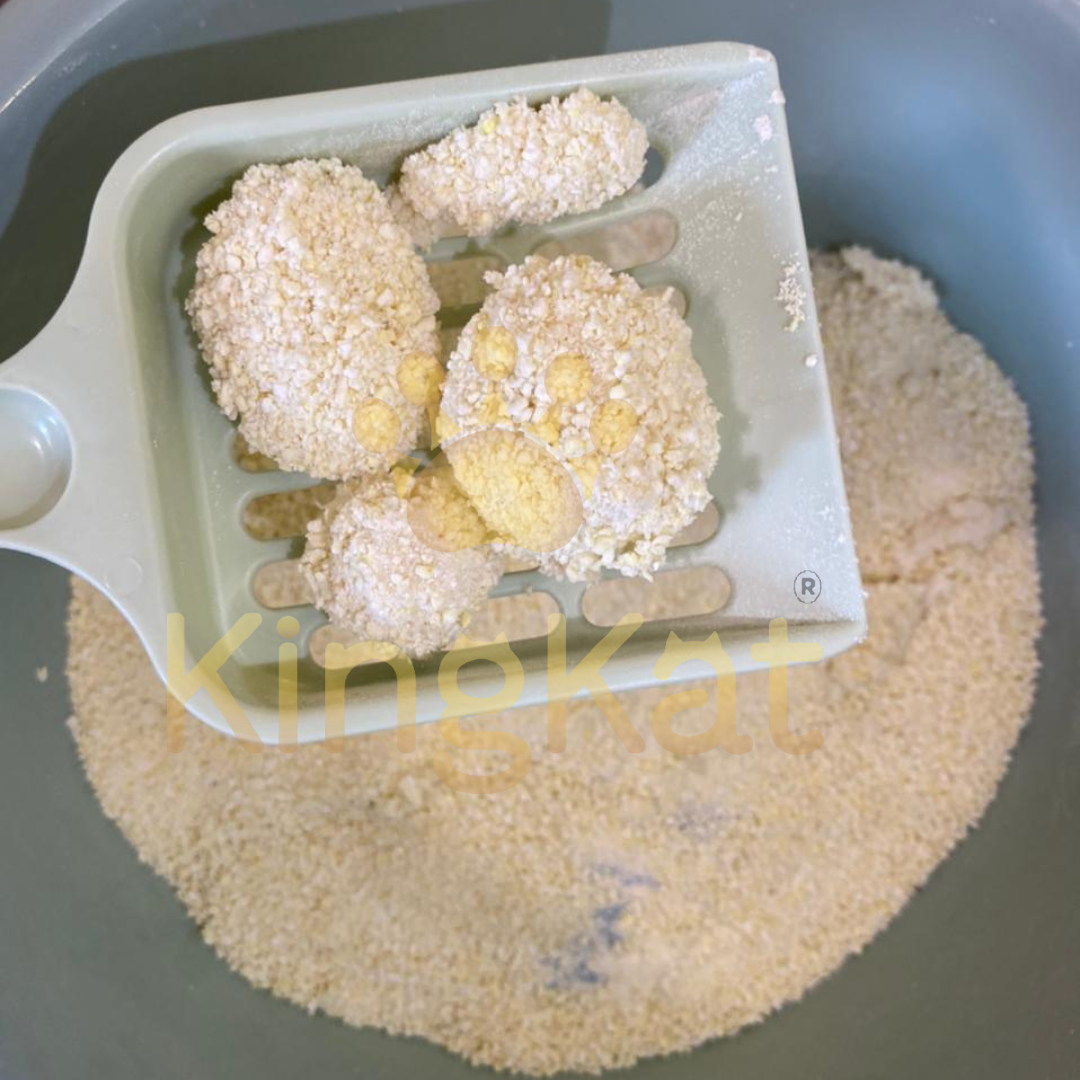
Tapioca cat litter for small apartments can be a practical option for cat owners who want to manage litter-box space, routine cleaning, and everyday odor more efficiently.
In a compact home, the litter box is often closer to:
That means litter-box maintenance can become more noticeable than it would in a larger house.
A well-organized setup does not depend on litter alone.
It also depends on:
No litter can guarantee complete odor elimination in every household. Product performance also depends on formulation, box condition, cleaning habits, number of cats, and usage.
For that reason, owners should always follow the instructions printed on the product packaging first.

In smaller homes, litter-box odors, tracking, and dust can become noticeable more quickly because there is less distance between the box and other living areas.
This makes routine maintenance especially important.
A practical apartment setup should aim to balance:
The goal is not to hide the litter box completely.
Instead, it is to place it somewhere practical and maintain it consistently.
Box placement can strongly influence day-to-day convenience.
A good location should generally be:
Possible locations may include:
The best location depends on the layout of the apartment.
It may be tempting to hide the litter box inside a very tight cabinet or poorly ventilated corner.
However, limited airflow can make odors feel more concentrated.
If an enclosed furniture-style litter box is used, owners should follow the product instructions and ensure that the setup remains easy to inspect and clean.
Accessibility matters.
A box that is difficult to reach may also be cleaned less frequently.
In compact apartments, space is limited, but the litter box should still be separated from areas used for:
A dedicated pet area is preferable where possible.
This also makes cleaning routines easier to organize.
Good airflow can improve the general environment around a litter box.
Depending on the apartment, this may involve:
However, ventilation should not mean placing the litter box directly in strong drafts or exposed outdoor areas.
The goal is balanced airflow rather than extreme conditions.
One of the most important habits when using tapioca cat litter for small apartments is regular scooping.
Removing used litter promptly can help prevent waste from accumulating in the box.
A simple routine may be:
Scoop → Check litter level → Add fresh litter if needed → Level the surface
The exact frequency depends on:
There is no single scooping schedule that applies to every household.
Some tapioca cat litter products may be scented.
Others may be unscented.
A fragrance can change the sensory experience around the litter box, but it should not replace routine cleaning.
Odor management also depends on:
Owners should not assume that a strongly scented product automatically provides better odor control.
The amount of litter in the box can affect everyday performance.
Too little litter may make scooping more difficult.
Too much may create:
Because tapioca litter formulations vary, owners should follow the recommended fill instructions on the package rather than applying one universal depth.
After scooping, top up the litter when the level has noticeably dropped.
After scooping or topping up, gently level the litter.
An even layer can make the tray easier to maintain.
It can also make it easier for owners to notice:
There is usually no need to pack the litter down tightly unless the product instructions say otherwise.
Keeping the box clean is only part of the routine.
Small granules can sometimes move outside the tray through:
Regularly cleaning the floor around the box can help keep the apartment feeling more organized.
A litter mat may also help collect loose particles, depending on the product and box design.
A small apartment does not necessarily mean the smallest possible litter box is the best choice.
The box still needs to be practical for the cat and manageable for the owner.
When selecting a box, consider:
A box that is too cramped may create more mess around the surrounding area.
Both open and covered boxes can work in apartments.
An open box may offer:
A covered box may help contain some scattered litter and visually hide the tray.
However, covered boxes still require regular cleaning.
They should not be treated as a substitute for scooping or ventilation.
If several cats share a small apartment, the litter-box routine may need to be more frequent.
Usage can increase quickly.
Owners may need to monitor:
There is no universal number of days that litter will remain suitable in a multi-cat home.
Actual usage depends on the household and the specific product.
Unused litter should be protected before it reaches the box.
General storage recommendations include:
Tapioca-based materials can interact with moisture.
If unused litter becomes damp, its condition may change before use.
Bathrooms can be convenient places for litter boxes, but they can also become humid.
If spare litter is stored in the same room, keep it away from:
The bag should remain properly closed.
If the original bag cannot be resealed securely, the litter may be transferred to an appropriate dry storage container.
The container should be:
Avoid containers that previously held strongly scented or unsuitable materials.
A litter storage area should not be directly beside:
This is particularly relevant once the original bag has been opened.
Keeping pet products in a dedicated storage area can simplify household organization.
Humidity can affect plant-based litter products.
In small apartments, bathrooms, laundry areas, and kitchens may have higher humidity than other rooms.
If the litter box is placed in one of these areas, owners should monitor:
The goal is to keep unused and active litter as dry as reasonably possible.
After washing the litter box, allow it to dry before refilling.
Residual water can cause some litter particles to absorb moisture immediately.
This may lead to:
A clean and dry tray is a better starting point.
It is important to separate two ideas:
odor management and odor elimination.
Tapioca cat litter may be designed to support odor management through absorption and clumping, depending on the formulation.
However, no product should automatically be expected to eliminate all odor in every household.
A practical routine includes:
In a small apartment, accumulated waste can become noticeable quickly.
Instead of waiting for the box to look full, remove used material regularly.
This also makes it easier to:
Regular maintenance is usually more practical than relying on a large amount of litter to compensate for infrequent cleaning.
Topping up fresh litter does not mean the box should never be completely cleaned.
A full change may eventually be needed according to:
There is no universal replacement interval.
Owners should follow the product packaging and assess the actual condition of the tray.
Different brands may have different recommendations for:
This is why general guidance should not replace the instructions printed on the actual product.
For private-label pet brands, clear directions on the bag can reduce customer confusion.
Disposal instructions can vary by product, local plumbing system, and local waste rules.
Owners should not assume that tapioca cat litter can be flushed down the toilet simply because it is plant-based or water-responsive.
Always follow:
If the package does not clearly state that a disposal method is appropriate, choose a suitable household waste method instead.
A practical routine can be kept simple:
Scoop regularly → Check the litter level → Top up when needed → Sweep or vacuum around the tray → Store the remaining litter sealed and dry.
This approach does not require complicated equipment.
Consistency matters more than creating an overly complex maintenance schedule.
Some tapioca litter particles may leave the tray on the cat’s paws.
A litter mat placed near the entrance of the box may help catch loose particles.
The effectiveness depends on:
The mat should also be cleaned regularly.
A litter box in the middle of a busy walkway may be inconvenient for both the cat and the household.
Where possible, choose a quieter location that is still easy to access and maintain.
Examples might include a corner of:
The ideal location depends on the apartment layout.
For convenience, owners may keep:
near the litter area.
However, cleaning chemicals should remain stored safely and separately according to their labels.
Convenient organization can make routine maintenance easier.
Air fresheners may change how a room smells, but they should not replace litter-box cleaning.
If household fragrance products are used, follow their instructions and consider the overall environment.
Do not assume that adding more fragrance solves the underlying source of litter-box odor.
Removing waste remains the more direct maintenance step.
If a cat suddenly stops using the box normally, owners can check practical factors such as:
However, persistent changes in litter-box habits should not automatically be blamed on the litter.
This article does not provide medical or behavioral diagnosis.
If a cat shows unusual symptoms, discomfort, or persistent changes in normal elimination, owners should consult a qualified veterinarian.
Pet brands can make tapioca litter easier to understand by providing simple guidance on:
For apartment-focused marketing, brands can emphasize practical convenience without promising:
Realistic instructions can build stronger customer expectations.
Choose a practical, accessible, reasonably ventilated area away from food preparation and excessive moisture.
Follow the product instructions and household needs. Regular removal of used litter helps keep the box manageable.
There is no universal number of days. Usage depends on the product, box size, number of cats, and maintenance routine.
No litter should be assumed to eliminate all odor in every environment. Odor management depends on both product performance and routine cleaning.
Do not assume it is flushable. Follow the disposal instructions on the product packaging and local plumbing or waste rules.
Keep it properly closed in a clean, dry area away from water and strong odors.
Using tapioca cat litter for small apartments is not only about selecting the litter itself.
A practical setup combines:
good box placement + regular scooping + appropriate litter level + dry storage + surrounding-area cleaning.
The most important habits are straightforward:
No cat litter can guarantee a completely odor-free apartment or a fixed number of days of use.
Actual performance depends on the formulation, household conditions, number of cats, and maintenance habits.
For product-specific recommendations, always prioritize the instructions printed on the packaging.
And if a cat shows persistent unusual litter-box behavior or signs of discomfort, consult a veterinarian.
Abimex Group supplies Vietnamese tapioca-based cat litter for international distributors, pet retailers, brands, and private-label projects.
Product options can be discussed according to buyer requirements, including:
Contact Abimex Group for specifications, samples, packaging options, and quotations for tapioca cat litter.