
CASHEW NUT SHELL OIL

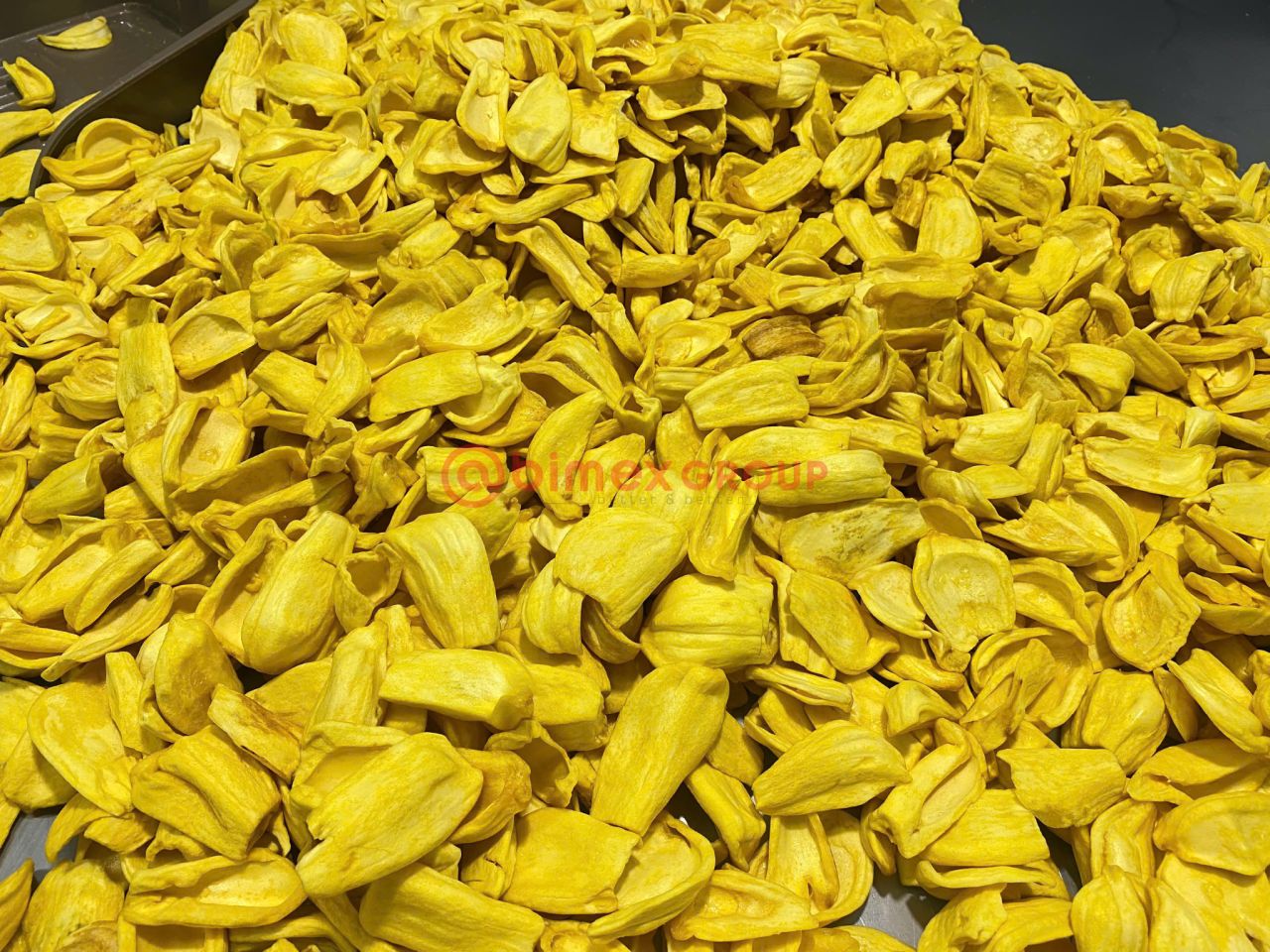
Jackfruit chips for snack brands can offer an interesting way to expand a product portfolio beyond conventional chips, nuts, and dried-fruit snacks. With their recognizable tropical origin, crunchy texture, distinctive aroma, and visually appealing golden color, jackfruit chips can create a different experience for consumers looking for something beyond familiar snack formats.
For manufacturers, distributors, and private-label businesses, however, adding a new product should involve more than simply following a trend. Target consumers, price positioning, packaging, product specifications, distribution channels, and supply consistency all need to be considered.
Jackfruit chips are not automatically suitable for every portfolio, but they can provide a useful opportunity for brands looking to introduce a differentiated tropical snack.
Snack shelves are increasingly crowded. Many companies compete within established categories such as potato chips, corn snacks, nuts, granola products, and dried fruit.
Introducing a less familiar fruit-based snack can help a brand create a clearer point of difference.
At the same time, successful product development depends on whether the product fits the brand’s positioning and target customer. The goal should not simply be to add another SKU, but to identify a product that complements the existing range and creates a reason for consumers or retailers to notice it.
Here are five reasons jackfruit chips may deserve consideration.
Product differentiation is one of the biggest challenges for snack companies.
Adding jackfruit chips for snack brands may help create a tropical product story that feels different from more conventional snack categories.
Jackfruit has a recognizable fruit identity, and its yellow-to-golden appearance can make the product visually distinctive. This may be particularly useful for businesses already working with tropical fruits such as mango, banana, pineapple, or coconut.
Rather than introducing another flavor variation of an existing chip, brands can add an entirely different fruit-based format.
Jackfruit chips may also work within:
The strongest positioning will depend on the target market and existing portfolio.
Texture plays a major role in how consumers experience snacks.
Jackfruit chips are generally associated with a crisp or crunchy bite, although the exact texture can vary depending on the raw fruit, fruit maturity, slice thickness, processing conditions, final moisture, oil characteristics, packaging, and storage.
This makes them quite different from soft dried mango, chewy dried fruit, or fresh fruit products.
For brands building a broader snack portfolio, a crunchy fruit option can add variety to the eating experience.
It is important, however, not to assume that every jackfruit chip product will have exactly the same crunch.
Two samples may look similar while differing in hardness, crispness, oil perception, thickness, or breakability. For this reason, physical sample evaluation remains an important part of sourcing.
Consumers often make purchasing decisions based not only on flavor but also on the overall product concept.
Using jackfruit chips for snack brands can support positioning around tropical ingredients, Southeast Asian-inspired snack ranges, fruit-based products, or specialty food selections. Jackfruit is widely cultivated across South and Southeast Asia and is often described as the largest tree-borne fruit in the world, which gives brands a memorable origin story to communicate on pack.
The fruit itself provides a clear visual and storytelling element that can be used in packaging and merchandising.
For example, jackfruit chips may sit naturally alongside products such as dried mango, coconut snacks, banana chips, or tropical fruit mixes.
This can help distributors and retailers create a more coherent product range rather than selling each item as an unrelated snack.
However, marketing claims should always match verified product information.
Brands should confirm ingredient declarations, processing information, nutritional claims, origin statements, and other product claims with the supplier before using them on packaging or promotional materials.
A good product story should be attractive, but it should also be accurate.
Another reason to consider jackfruit chips for snack brands is the flexibility of the category.
Depending on supplier capabilities and buyer requirements, jackfruit chips may be considered for different channels and packaging concepts.
Smaller packs can support individual snacking or convenience retail. Larger packs may suit family sharing, specialty stores, wholesalers, or foodservice channels.
Private-label buyers may also adapt packaging design and pack size to match their target market.
When developing the product, buyers should consider factors such as:
Jackfruit chips can be relatively fragile, so physical protection during packing, transportation, and warehousing can be especially important.
Packaging should therefore be treated as part of the product-development process rather than only as a branding decision.
For businesses already selling tropical fruit products, jackfruit chips for snack brands can provide a logical portfolio extension.
A company offering dried mango, banana chips, coconut products, or tropical fruit snacks may already have customers interested in similar categories.
Adding jackfruit chips can help expand variety without moving completely outside the existing product concept.
There may also be opportunities to combine jackfruit chips with other ingredients in snack assortments.
For example, a tropical mix could bring together crunchy and chewy components, creating greater texture contrast.
However, mixed-product concepts should be evaluated carefully. Ingredients with different moisture levels, oil characteristics, sizes, or textures may interact differently during storage.
Application and shelf-life testing should therefore be performed before commercial launch rather than assuming that all ingredients will remain unchanged when packed together.
Before selecting jackfruit chips for snack brands, buyers should evaluate both commercial potential and product specifications.
Useful areas to review include:
Price should also be considered alongside these factors rather than used as the only comparison point.
A lower-priced product may not necessarily provide the texture, appearance, packaging, or consistency required for a particular market.
Likewise, a more premium-looking sample is not automatically the best fit if it does not match the brand’s target consumer or price strategy.
One of the most useful steps when sourcing jackfruit chips for snack brands is comparing physical samples.
A specification sheet provides valuable technical information, but it cannot fully communicate the sensory experience.
When reviewing samples, buyers may want to compare:
Crunch: Does the chip provide the desired bite?
Sweetness: Is the flavor appropriate for the target market?
Aroma: Is the jackfruit character noticeable and pleasant?
Appearance: Are color, size, and shape suitable for the intended positioning?
Surface feel: Does the product feel excessively oily or different from expectations?
Breakage: How well do pieces remain intact after handling?
Consistency: Are pieces reasonably similar within the sample?
For private-label programs, an approved reference sample can also help establish expectations before commercial production.
Sourcing a snack product is not only about finding a good initial sample.
Brands should also think about long-term supply.
Raw jackfruit is an agricultural ingredient, so seasonal availability, fruit maturity, cultivar, and natural variation can influence processing.
Production schedules, packaging availability, export documentation, logistics, and inventory planning can also affect lead times.
Companies considering jackfruit chips for snack brands may therefore benefit from communicating expected order volumes and purchasing schedules with suppliers in advance.
For recurring programs, forecasts can help both buyer and supplier plan more effectively.
Jackfruit chips can be distinctive, but novelty alone does not guarantee commercial success.
A product should fit the brand’s target customer, retail channel, packaging strategy, price point, and overall portfolio.
Snack brands should ask questions such as:
Does the product add something different to our existing range?
Will our target consumer understand the product?
Does the packaging communicate the tropical fruit identity clearly?
Can the required product specification be supplied consistently?
Does the product fit our intended retail price and distribution channel?
These questions help turn a potentially interesting ingredient into a more structured product-development decision.
Overall, jackfruit chips for snack brands can offer several potential advantages: product differentiation, a distinctive crunchy texture, strong tropical positioning, flexible packaging concepts, and compatibility with broader fruit-snack portfolios.
The opportunity is strongest when these benefits are supported by careful sourcing.
Product specifications, sensory evaluation, packaging, breakage, consistency, market positioning, and logistics should all be considered before launch.
Instead of adding jackfruit chips simply because they are different, brands can focus on whether they bring meaningful value to the existing product range.
Abimex Group supports international B2B buyers sourcing jackfruit chips and other processed fruit products for retail, wholesale, distribution, private-label, and snack applications.
From product specifications and sample discussions to packaging requirements, documentation, and export coordination, Abimex Group works with buyers to identify suitable options for different markets.
Contact Abimex Group to discuss your jackfruit chip requirements, preferred product characteristics, packaging options, and sourcing plans.