
CASHEW NUT SHELL OIL

Tapioca starch in dumpling wrappers can help food manufacturers create skins with a smooth appearance, flexible bite, and attractive translucency.
In dumpling and dim sum products, the wrapper is more than a container for the filling. It contributes directly to the eating experience.
Consumers may expect the skin to be:
Achieving all of these characteristics requires the right balance of starches or flours, water, mixing, shaping, and cooking conditions.
Tapioca starch can be an important part of that system.
However, it should not automatically be treated as a complete replacement for every other flour or starch in every dumpling formulation. Different wrapper styles require different ingredient combinations.
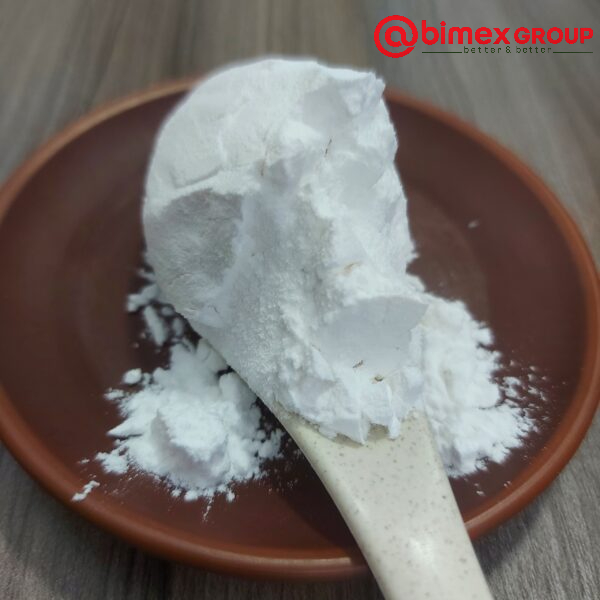
Dim sum products such as dumplings, steamed parcels, and shrimp-style dumplings depend heavily on wrapper quality.
A good wrapper should generally be able to:
If the wrapper is too weak, it may break.
If it is too firm, the finished dumpling may feel tough.
If it is too sticky, production can become difficult.
The challenge is finding a balanced texture.
This is where tapioca starch in dumpling wrappers can provide useful functional support.
Tapioca starch is extracted from cassava roots.
When starch is heated with sufficient water, its granules absorb moisture, swell, and gelatinize.
This process creates a more cohesive starch structure.
In wrapper applications, gelatinized tapioca starch can contribute to:
The actual result depends on the complete formula.
Water level, other starches, mixing conditions, wrapper thickness, and cooking method all influence the finished texture.
One of the most attractive features of certain dim sum wrappers is their translucent appearance.
Products such as shrimp dumplings often use wrappers that allow some of the filling color to remain visible after cooking.
Tapioca starch can contribute to a smoother, clearer-looking starch gel when properly hydrated and cooked.
This may help support a wrapper that appears:
However, tapioca starch is not the only ingredient responsible for translucency.
The final appearance also depends on:
A formulation should therefore be tested as a complete system.
Another important characteristic is chewiness.
When properly processed, tapioca starch is often associated with a flexible, elastic bite.
This can help produce dumpling skins that feel:
This characteristic can be particularly useful in steamed dumpling applications where the wrapper should remain flexible after cooking.
However, more chewiness is not always better.
An excessively elastic wrapper may feel too rubbery for some product concepts.
The target texture should match the specific style of dumpling.
Dumpling wrappers need to tolerate physical stress during forming.
Depending on the product, the dough may be:
A wrapper that lacks flexibility may crack during these steps.
Tapioca starch can help support a more elastic structure after proper hydration and processing.
This can be useful when manufacturers want a wrapper that can stretch around a filling without breaking too easily.
Still, wrapper strength depends on more than starch alone.
Surface appearance matters in premium dim sum products.
A wrapper with a rough or uneven exterior may look less refined.
Tapioca starch can support a relatively smooth texture when properly dispersed and processed.
This can contribute to:
For products where the wrapper is visually prominent, this can be a useful advantage.
Shrimp dumpling-style products are a good example of where wrapper translucency and elasticity matter.
The wrapper needs enough structure to contain the filling while also remaining relatively delicate.
In these applications, tapioca starch may be combined with other starch ingredients to create the desired balance between:
A single starch may not provide every characteristic required.
This is why commercial manufacturers often develop starch systems rather than relying on one ingredient alone.
The same functional properties may be useful in other applications such as:
The desired texture can vary significantly between these products.
A soft crystal-style wrapper and a thicker dumpling skin may require different starch combinations.
The intended application should therefore be clearly defined before starch selection.
One important point for product developers is that tapioca starch and flour-based ingredients do not perform identical functions.
For example, wheat-based ingredients may contribute protein structure, while starch ingredients primarily contribute through hydration and gelatinization.
Rice-based or other starch systems may also create different:
For this reason, replacing another flour or starch with tapioca starch on a one-to-one basis may not produce the same result.
Formulation testing is essential.
Different starches can provide complementary functions.
One starch may support:
while another may improve:
Blending starches can help manufacturers balance these characteristics.
Tapioca starch may therefore be used as one component within a broader wrapper system.
The best combination depends on the desired product.
Manufacturers may also consider whether native or modified tapioca starch is more suitable for the process.
Native tapioca starch may support:
It may be suitable for applications with relatively straightforward processing requirements.
Certain modified starch grades may be developed for improved process stability.
Depending on the specific starch, potential functional advantages may include better resistance to:
This can be relevant for industrial dumpling production, especially when products are frozen, stored, and reheated.
The exact grade should always be selected according to the intended application.
Water is essential for starch hydration.
If there is insufficient available water, starch may not develop its intended structure.
A wrapper may become:
On the other hand, excessive water can create dough that is:
There is no universal hydration ratio for every dumpling formula.
The correct balance should be determined through application trials.
Starch needs to be distributed consistently throughout the wrapper mixture.
Poor mixing can create:
For industrial production, manufacturers should control mixing conditions carefully.
Equipment design, ingredient addition order, and batch size can all influence dough consistency.
Even a well-formulated dough can produce different results depending on thickness.
A thinner wrapper may appear:
A thicker wrapper may provide:
The appropriate thickness depends on the filling, wrapper type, and product positioning.
Tapioca starch can support flexibility, but it does not eliminate the need to optimize wrapper dimensions.
The filling itself also matters.
Some fillings release more moisture during cooking than others.
A high-moisture filling may interact with the wrapper differently from a relatively dry filling.
This can affect:
Manufacturers should therefore test the wrapper with the actual filling rather than evaluating empty dough alone.
Frozen dumplings create additional technical challenges.
During freezing and thawing, water can move within the product.
This may affect:
Certain modified starches may be considered when improved freeze-thaw stability is required.
However, suitability must be verified in the actual frozen product.
A starch that performs well in a freshly steamed dumpling may behave differently after frozen storage.
A chewy wrapper should still be pleasant to eat.
If the starch system creates too much firmness or elasticity, the wrapper may become:
This is why manufacturers should evaluate several texture characteristics together rather than maximizing one property.
The goal is usually balance:
strength + tenderness + chewiness + elasticity.
Wrapper failure may occur because of:
Tapioca starch may help support elasticity, but it cannot solve every structural problem by itself.
A complete review of formulation and processing is usually more effective.
Steaming changes the wrapper significantly.
A dough that looks opaque before cooking may become more translucent as the starch gelatinizes.
Manufacturers should therefore evaluate appearance after the actual cooking process.
Important characteristics may include:
The wrapper should be judged in its final consumer-ready form.
Dim sum is not always eaten immediately after cooking.
Products may spend time:
Wrapper texture can change as it cools.
Starch structures may become firmer over time.
Manufacturers should therefore evaluate the product not only immediately after cooking but also under realistic serving and storage conditions.
Frozen or chilled dumplings may be reheated by:
Reheating can affect wrapper texture.
A commercial product should be tested according to its intended preparation instructions.
Tapioca starch may support flexibility and moisture management, but reheating performance depends on the full formulation.
Tapioca starch itself is a starch ingredient derived from cassava, but that does not automatically mean a finished dumpling product should be marketed as “gluten-free.”
The complete formula, raw materials, manufacturing environment, cross-contact controls, testing, certification, and destination-market requirements all matter.
If a wrapper contains wheat-based ingredients, a gluten-free claim would clearly require additional consideration.
Manufacturers should only make such claims when appropriately supported and compliant with applicable regulations.
When sourcing tapioca starch in dumpling wrappers, food manufacturers should provide information such as:
The more application information the supplier receives, the easier it is to discuss a suitable starch option.
A technical specification alone cannot guarantee the final wrapper texture.
Manufacturers should test starch in the actual formula.
Useful evaluation criteria include:
Comparing multiple starch systems can help identify the best balance.
A highly translucent wrapper is visually attractive, but transparency should not come at the expense of functionality.
A wrapper also needs:
The best formulation balances appearance with performance.
Adding more tapioca starch does not automatically guarantee a better wrapper.
Excessive starch contribution can potentially create:
The proper balance depends on the full formula.
For this reason, manufacturers should optimize the complete starch system rather than maximize one ingredient.
If the commercial product will be frozen, chilled, or reheated, testing only freshly prepared dumplings is not enough.
Product developers should evaluate the wrapper throughout its intended lifecycle.
This helps identify changes in:
before commercial launch.
Tapioca starch in dumpling wrappers can support several desirable characteristics:
When properly hydrated and heated, tapioca starch gelatinizes and helps form a smooth, elastic starch matrix.
This can make it useful in applications such as:
However, tapioca starch should not be treated as a universal replacement for every flour or starch.
The ideal wrapper depends on:
starch blend + hydration + mixing + filling + wrapper thickness + cooking + storage.
For commercial manufacturers, the best development approach is:
Define the target wrapper → Select suitable starches → Run application trials → Evaluate appearance and texture after cooking → Test storage and reheating conditions → Finalize the formula.
Abimex Group supplies Vietnamese native and modified tapioca starch for international food manufacturers, ingredient distributors, and industrial buyers.
Different grades can be discussed according to application and processing requirements.
Buyers can contact us for:
Contact Abimex Group to discuss tapioca starch for dumpling wrappers, dim sum, processed foods, and other texture-focused applications.