
CASHEW NUT SHELL OIL

For cat litter importers, distributors, and private-label brands, product weight affects more than convenience. It also influences packaging, pallet utilization, freight planning, and overall logistics costs.
As demand for lightweight cat litter grows, tapioca-based alternatives are attracting attention alongside traditional clay litter. But does lighter litter necessarily mean lower shipping costs?
Understanding the differences in pack weight, pallet capacity, and transportation requirements can help businesses make informed sourcing decisions.
Traditional clay cat litter, particularly bentonite-based varieties, is generally associated with relatively high bulk density. Its mineral composition gives it substantial weight within a given package volume.
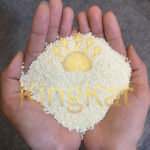
Tapioca cat litter, produced using cassava-derived starch and other formulation-dependent ingredients, can offer a different weight-to-volume profile.
Depending on processing methods, particle structure, and moisture content, certain tapioca formulations may be lighter than conventional clay products when compared at equal volumes.
However, not every tapioca litter is lighter than every clay litter.
For accurate comparisons, buyers should evaluate bulk density, net package weight, and usable litter volume rather than relying on product descriptions alone.
Package weight directly influences product handling throughout the supply chain.
Lighter retail packs may offer practical advantages for warehouse workers, retailers, and consumers, particularly when handling multiple packages.
For manufacturers and distributors, pack weight also affects:
Nevertheless, reducing package weight does not automatically reduce total freight costs.
A lightweight cat litter package may occupy more space than a denser alternative, depending on its formulation and packaging design.
Therefore, pack weight and package dimensions should always be evaluated together.
Pallet utilization is another important consideration when comparing tapioca and clay cat litter.
Clay litter may allow more product weight to be loaded within a relatively compact volume. However, pallet weight restrictions can limit how many packages can be stacked safely.
Tapioca-based litter may provide different loading possibilities, particularly when optimized packaging helps utilize available pallet space.
Actual pallet capacity depends on several variables:
Consequently, neither product category guarantees a higher pallet count.
For international shipments, importers should request pallet loading specifications and container loading plans before confirming purchase volumes.
Shipping costs depend on more than product weight.
For ocean freight, container utilization, shipment volume, loading restrictions, and freight arrangements all influence transportation expenses.
A lighter tapioca formulation may offer advantages when shipment weight is a limiting factor. However, if cargo volume becomes the primary constraint, the potential savings may be reduced.
Similarly, denser clay litter may utilize container space efficiently while reaching weight limitations sooner.
The most relevant comparison is therefore not simply freight cost per kilogram.
Importers should also consider shipping cost per retail unit, usable litter volume, or expected product consumption, depending on their business model.
These measures provide a more meaningful basis for evaluating overall landed costs.
Selecting the right supplier requires balancing product performance with logistics efficiency.
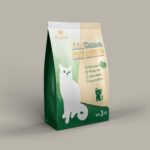
As a cassava cat litter manufacturer, we recognize the importance of evaluating formulation characteristics, packaging requirements, and shipment planning together.
For importers, wholesalers, and private-label brands, working directly with a manufacturer creates opportunities to discuss customized packaging, product specifications, and loading configurations.
Before placing bulk orders, buyers should verify product density, packaging dimensions, pallet capacity, and freight quotations using actual shipment specifications.
The comparison between tapioca and clay cat litter is not about identifying one universally superior product.
Both categories have distinct physical characteristics that influence packaging, pallet utilization, and transportation costs.
For businesses exploring lightweight cat litter, the best sourcing decision comes from comparing verified product specifications and real logistics requirements.
Looking for a reliable cassava cat litter manufacturer? Contact our team to discuss tapioca cat litter solutions, private-label packaging, and export requirements tailored to your market.