
CASHEW NUT SHELL OIL

Jackfruit varieties for chips can influence the final snack more than many buyers expect. Even when two products are processed using similar methods, differences in cultivar, fruit maturity, natural sugar level, fiber structure, aroma compounds, and flesh firmness can create noticeably different eating experiences.
For importers, snack brands, distributors, and private-label buyers, this means jackfruit chips should not be evaluated only by color or crispness. The characteristics of the raw fruit can play an important role before frying or drying even begins.
At the same time, cultivar is only one part of product quality. Slice thickness, processing conditions, oil management, final moisture, packaging, and storage can all influence the finished chips. No single jackfruit variety should therefore be assumed to be universally “best” without testing it within the intended process and product specification.
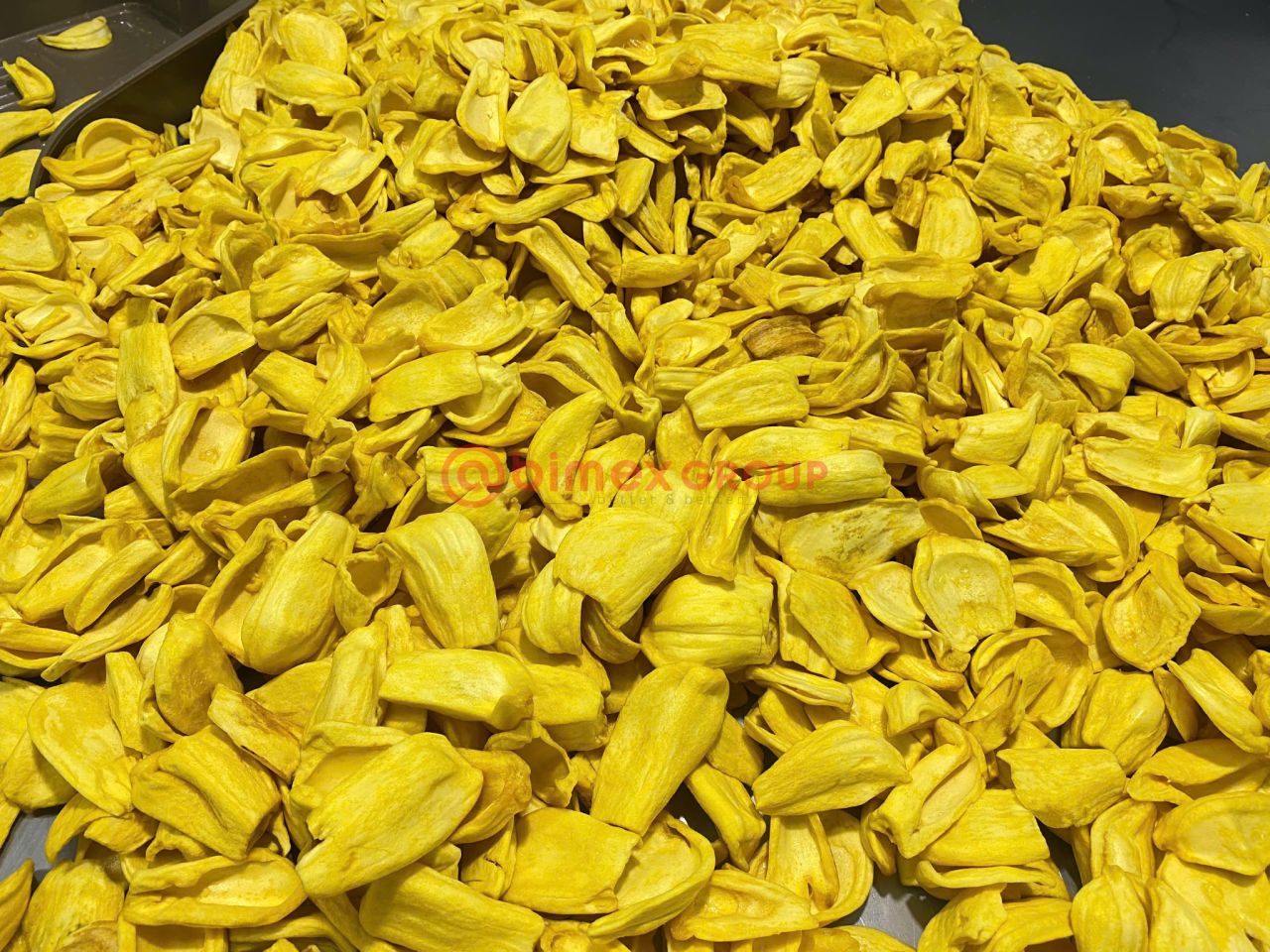
Jackfruit is an agricultural product, and different cultivars can vary naturally in sweetness, aroma, firmness, color, fiber, and fruit structure.
Some jackfruit may have firmer bulbs with a denser texture, while others may be softer, more aromatic, or naturally sweeter. These differences can influence how the fruit responds when moisture is removed and the structure becomes crisp.
For manufacturers, jackfruit varieties for chips matter because the raw material helps determine the starting point for the production process.
A processor working with firmer fruit may achieve a different chip structure from one using softer fruit, even if both batches are cut to a similar size and processed under comparable conditions.
One of the most obvious differences between jackfruit cultivars is sweetness.
Different varieties may contain different levels and proportions of naturally occurring sugars. Fruit maturity also plays an important role because sugar levels generally change as jackfruit ripens.
During chip processing, water is removed from the fruit. As moisture decreases, naturally occurring sugars become more concentrated relative to the remaining product.
This means a naturally sweeter jackfruit may produce chips with a more noticeable sweet profile even without assuming that additional sugar has been used.
For B2B buyers comparing jackfruit varieties for chips, it is useful to review both the ingredient declaration and the sensory profile.
Two chips can look similar while delivering different levels of perceived sweetness because of differences in raw fruit, ripeness, moisture, and processing.
Jackfruit is known for its distinctive tropical aroma, but not every cultivar produces the same aromatic profile.
Different varieties may have stronger, milder, fruitier, or more complex aromatic characteristics.
Processing can then modify these aromas further.
Heat exposure may reduce some volatile compounds while creating or emphasizing other flavor notes. Storage and packaging can also influence how much aroma remains noticeable over time.
This is why aroma should be evaluated directly rather than predicted only from cultivar name.
For snack brands, aroma can be particularly important because consumers often smell the product before taking the first bite. A pleasant and recognizable jackfruit aroma can contribute to the overall product experience.
Crunch is not created by moisture level alone.
The original firmness and cellular structure of the jackfruit flesh can influence how the fruit behaves during processing.
Firmer fruit may create a different internal structure from softer fruit once water is removed. Fiber distribution and tissue density can also affect how the chip breaks when bitten.
This helps explain why jackfruit varieties for chips with similar final moisture levels may still feel different in terms of crunchiness, hardness, or density.
However, cultivar should not be treated as the only explanation.
Final texture can also be affected by:
For buyers, a sensory sample is therefore more useful than making texture assumptions from the raw material alone.
Jackfruit naturally contains fiber, but the amount and structure can vary.
Some fruit may have a smoother, more uniform flesh structure, while other fruit may be noticeably more fibrous.
After processing, these differences can influence the way chips feel during chewing.
A highly fibrous structure may create a more substantial bite, while another variety may produce a lighter or cleaner break.
For retail snack products, this matters because crunch is not only about sound or brittleness. Mouthfeel after the first bite can also influence whether consumers perceive the chips as light, dense, tough, or pleasantly crisp.
Food manufacturers should therefore evaluate texture over the full eating experience rather than only testing whether a chip breaks easily.
Jackfruit flesh can naturally vary from pale yellow to deeper golden tones depending on cultivar and maturity.
This initial color can influence the final appearance of the chips.
Processing may then create additional changes through heat exposure, moisture loss, oxidation, or browning reactions.
A naturally deeper-colored fruit may produce a different finished shade from a paler cultivar, even when similar processing controls are used.
For this reason, product color should not automatically be used as a direct indicator of quality.
When comparing jackfruit varieties for chips, buyers should consider whether the finished appearance matches the agreed specification and target market rather than assuming that the lightest or darkest chips are superior.
Cultivar alone does not determine product performance.
A jackfruit harvested or processed at a different stage of maturity can behave differently even within the same variety.
As jackfruit matures, characteristics such as:
may change.
For chip production, processors often need fruit with characteristics suitable for slicing and further processing.
Fruit that is excessively soft may behave differently from firmer material, while less mature fruit may have a different flavor profile.
This means buyers should think about both cultivar and maturity when discussing raw-material consistency with suppliers.
Two cultivars may start out noticeably different, but processing can either reduce or amplify those differences.
For example, frying conditions can influence how much moisture remains, how the internal structure develops, how dark the fruit becomes, and how strongly the final aroma is perceived.
Post-frying treatment can also influence oil perception and mouthfeel.
As a result, the most suitable jackfruit varieties for chips cannot be selected based on raw fruit characteristics alone.
A variety that performs well under one production system may behave differently under another.
For manufacturers, pilot trials and sample evaluation can therefore be valuable before moving into larger commercial volumes.
For B2B sourcing, consistency is often more important than finding the most intense flavor or the sweetest raw fruit.
Snack brands generally want consumers to receive a similar eating experience from one batch to another.
That means buyers may need to consider:
A supplier that understands how raw material variation interacts with processing can be better positioned to discuss product consistency with the buyer.
When evaluating jackfruit chips, buyers do not necessarily need to select a cultivar by name.
In many commercial cases, it may be more practical to define the finished product characteristics required for the target market.
Useful questions include:
Samples should ideally be reviewed alongside the technical specification.
This allows procurement and product-development teams to evaluate whether the supplier’s product matches the desired eating experience rather than relying only on raw-material descriptions.
The most important takeaway is that jackfruit varieties for chips can influence sweetness, aroma, fiber, color, and texture, but cultivar does not work in isolation.
Fruit maturity, slice preparation, frying conditions, moisture removal, oil management, packaging, and storage all contribute to the finished product.
For B2B buyers, the better question is therefore not:
“Which jackfruit variety is the best?”
but:
“Which raw material and processing combination delivers the product specification our market needs?”
This approach provides a stronger basis for sample approval, supplier comparison, and long-term product consistency.
Understanding jackfruit varieties for chips can help brands and buyers make more informed decisions about sweetness, aroma, texture, color, and overall product positioning.
Abimex Group supports international B2B buyers sourcing jackfruit chips and other processed fruit products for retail, wholesale, private-label, distribution, and snack applications.
From product specifications and sample discussions to packaging requirements and export coordination, Abimex Group works with customers to identify suitable options for different target markets.
Contact Abimex Group to discuss your jackfruit chips specifications, preferred sensory profile, packaging options, and sourcing requirements.