
CASHEW NUT SHELL OIL

Learning how to transition your cat to tapioca litter can make the change from a familiar litter type feel more manageable for both cats and owners.
Cats can react differently to changes in their litter box environment. A new litter may differ from the previous product in:
Because of these differences, replacing the entire litter box at once may not always be the most practical approach.
A gradual transition allows the new tapioca litter to be introduced alongside the product the cat already knows.
For pet brands and retailers, providing a simple transition guide can also improve customer education and help buyers understand how the product is intended to be introduced.
This article provides general guidance only. Individual cats may respond differently, and owners should consult a veterinarian if a cat has health concerns or shows unusual changes in litter-box use.
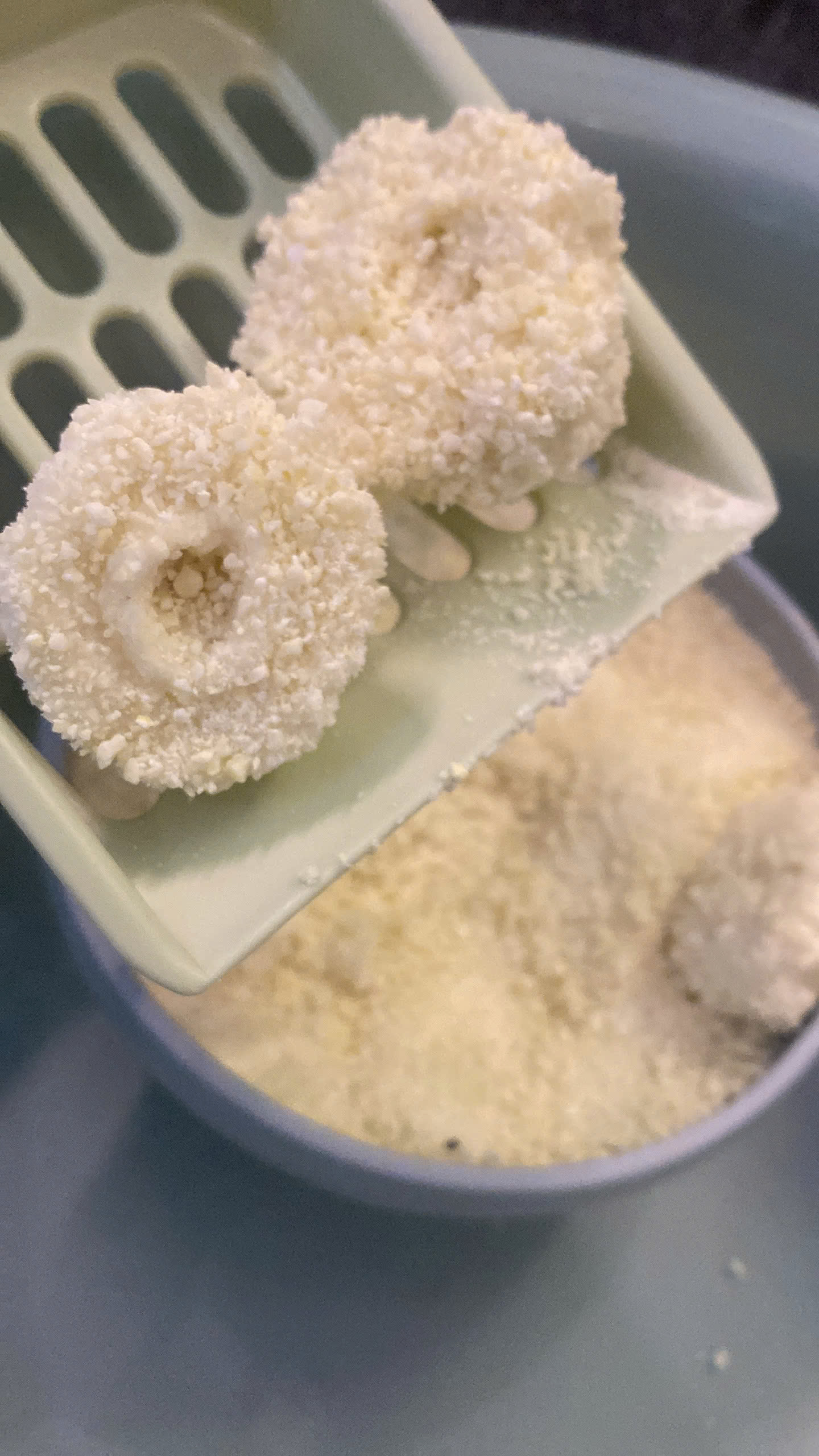
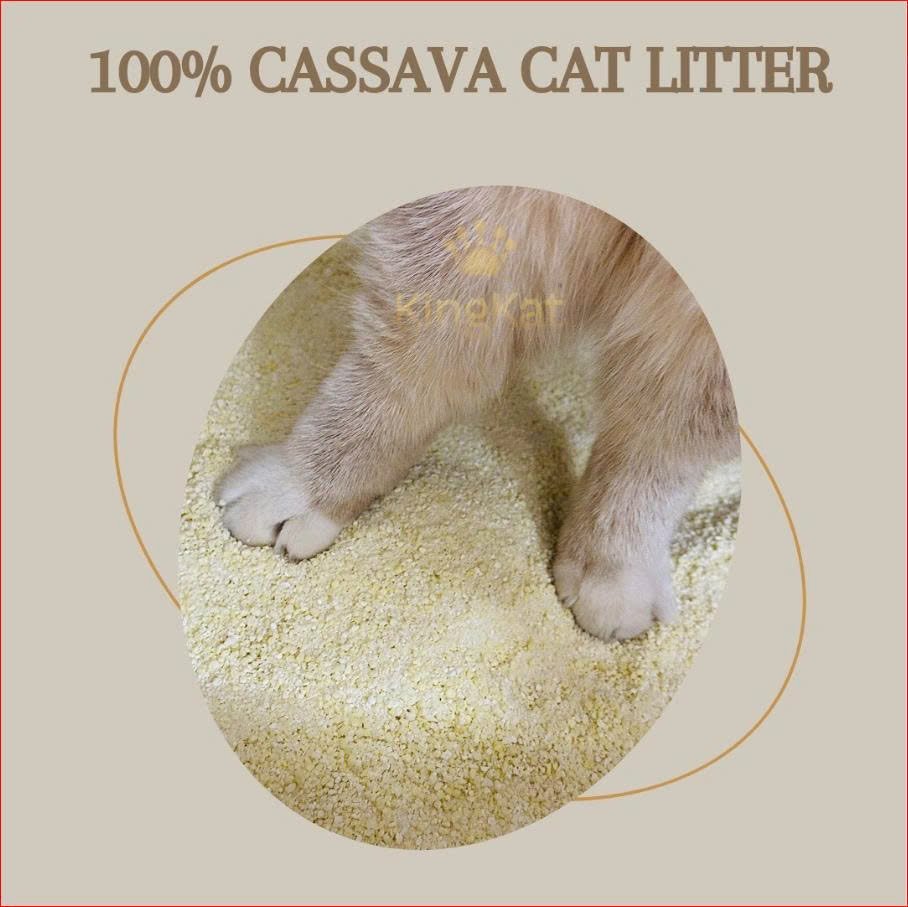
Tapioca cat litter is typically made using cassava- or tapioca-derived ingredients, often combined with other materials depending on the formulation.
Tapioca-based litter can be designed to provide characteristics such as:
Exact performance depends on the product formulation.
For this reason, pet brands should avoid presenting all tapioca litters as identical.
A customer transitioning between products may notice differences even between two plant-based litter brands.
A litter change involves more than replacing one product with another.
The cat may encounter a different:
A gradual switch gives the owner an opportunity to observe how the new product performs while maintaining some familiarity in the litter box.
This approach can also help owners compare:
before completely removing the previous litter.
However, a gradual transition is a general recommendation rather than a guarantee that every cat will respond in the same way.
When introducing a new litter, it may be useful to avoid changing several things at the same time.
For example, if possible, keep the same:
and change mainly the litter product.
This can make it easier for the owner to evaluate how the new litter performs.
If the litter box, location, litter type, and cleaning routine all change simultaneously, it may be harder to understand which change is affecting the overall experience.
A common approach when beginning to transition your cat totapioca litter is to keep the majority of the existing litter and introduce a smaller amount of tapioca litter.
The products can be mixed gently so that the new material is distributed throughout the box.
At this stage, owners can observe:
There is no universal percentage that must be used.
Pet brands may provide an example transition plan, but it should be presented as flexible guidance rather than a strict formula.
If the initial transition is proceeding normally, the proportion of tapioca litter can gradually be increased.
Over successive litter changes or top-ups, the owner can add more of the new product and reduce the amount of the previous litter.
A general progression might move from:
Mostly old litter → Mixed litter → Mostly tapioca litter → Full tapioca litter
The pace does not need to be identical for every household.
Some owners may choose a shorter transition, while others may prefer a slower approach.
The important point is to make the change progressively rather than assuming that one schedule works for every cat.
Regular cleaning remains important during a litter transition.
Owners should continue to:
A dirty litter box can make it difficult to evaluate the performance of the new litter.
For example, persistent odor may result from waste remaining in the box rather than the litter formulation itself.
Good maintenance allows the owner to make a more meaningful comparison.
Tapioca-based litter may clump differently from clay, tofu, mineral, or other plant-based products.
Owners should observe:
These characteristics can vary by formulation.
Pet brands should therefore explain the actual characteristics of their own product instead of making broad claims about every tapioca litter.
Particle size can influence the overall litter-box experience.
Fine particles may behave differently from larger granules in terms of:
When customers switch from a very different litter type, the change in particle texture may be noticeable.
This is another reason a mixed transition can be useful: it introduces the new texture progressively.
Another variable is fragrance.
Tapioca cat litter may be offered as:
If a customer previously used an unscented litter, moving directly to a strongly different fragrance can introduce another change in addition to particle texture.
Pet brands offering several variants may therefore want to provide clear information about fragrance intensity.
However, brands should avoid claiming that cats universally prefer a particular scent unless supported by reliable evidence.
During a litter transition, it may be helpful to keep other parts of the litter-box setup relatively stable.
For example, avoid simultaneously changing:
unless necessary.
Changing one main variable at a time can make it easier to identify how the new litter performs in the household.
Owners should observe the litter box throughout the transition.
Useful things to monitor include:
Owners can also watch for any significant changes in normal litter-box patterns.
However, these observations should not be used to diagnose health or behavioral conditions.
If a cat shows persistent unusual litter-box behavior or signs of illness, veterinary advice is appropriate.
Once the household has successfully progressed to mostly tapioca litter, the remaining old litter can gradually be removed.
At that point, the litter box can be maintained according to the instructions for the new product.
The owner should follow the manufacturer’s guidance regarding:
Different tapioca litter formulations may require slightly different maintenance practices.
Mixing is commonly used during a temporary transition.
However, two litter products may perform differently when combined.
For example:
The mixed litter may therefore not perform exactly like either product on its own.
This should be explained to customers.
The goal of mixing during transition is familiarity, not necessarily maximum technical performance.
Once the transition is complete, customers can evaluate the tapioca litter by itself.
This is an important point for pet brands.
A customer may mix two litter types and then conclude that the new product does not clump as expected.
However, interaction between different particles can change performance.
For a more accurate evaluation, customers should also observe the product once the box contains primarily or entirely the new litter.
This helps separate transition effects from normal product performance.
There is no universal transition period for every cat.
The appropriate pace can depend on:
Instead of promising a fixed number of days, brands can recommend a gradual transition and advise customers to adjust the pace as needed.
This is more realistic than suggesting every cat will adapt according to the same timetable.
Owners should first check practical factors such as:
If appropriate, the owner can slow the transition and increase the proportion of the familiar litter temporarily.
However, persistent changes in litter-box use should not automatically be assumed to be caused by the litter itself.
Changes can have many possible causes.
If the cat appears unwell, experiences difficulty using the litter box, or shows persistent unusual behavior, owners should contact a veterinarian.
In households with several cats, each cat may interact differently with the litter box.
It can therefore be harder to determine individual responses.
Owners may need to:
A gradual transition can still be used, but brands should avoid assuming that every cat in the household will respond identically.
For pet brands, a simple transition guide can be placed on:
A short version might say:
Start with your cat’s current litter, gradually mix in tapioca litter, increase the proportion over time, keep the litter box clean, and adjust the transition pace based on your household.
This provides useful guidance without making unsupported behavioral claims.
Customers generally do not need a long technical explanation on the bag.
A compact transition message could use four steps:
1. Mix – Add a small amount of tapioca litter to the current litter.
2. Increase – Gradually add more tapioca litter during subsequent top-ups.
3. Observe – Keep the box clean and monitor normal use.
4. Switch – Move to full tapioca litter when the transition is complete.
Detailed information can then be provided through a QR code or website.
Unused tapioca cat litter should generally be stored:
Moisture exposure before use may affect product condition and clumping performance.
Brands should include appropriate storage guidance according to their specific product.
Pet brands should be careful when describing the benefits of switching litter.
Claims such as:
should not be made without appropriate evidence and regulatory support.
A better approach is to focus on measurable product characteristics such as:
This keeps marketing communication factual and useful.
Similarly, statements such as:
“Every cat will immediately accept tapioca litter”
or
“Cats naturally prefer tapioca litter”
should be avoided unless supported by reliable evidence.
Individual responses vary.
Pet brands can instead say:
“A gradual transition may help introduce a new litter texture more progressively.”
That is a more responsible and practical message.
Some owners may do so, but a gradual introduction can be a practical option when changing litter types.
Temporary mixing can be used during the transition, although the mixture may perform differently from pure tapioca litter.
This depends on the product range and household preference. There is no universal option that is best for every cat.
Persistent changes should not automatically be attributed to the litter. If there are health concerns or unusual symptoms, consult a veterinarian.
When helping customers transition their cat to tapioca litter, pet brands can recommend:
This makes the transition guide easy to understand without overpromising results.
The best way to transition your cat to tapioca litter is not necessarily to replace everything immediately.
A gradual approach can allow the new litter’s:
to be introduced progressively.
For owners, the process can be simple:
Start with the familiar litter → Add tapioca litter → Gradually increase it → Keep the box clean → Complete the transition.
There is no universal schedule that works for every cat or household.
Pet brands should therefore present transition instructions as flexible guidance rather than guaranteed behavioral outcomes.
Most importantly, litter guides should remain separate from veterinary advice.
If a cat has a medical condition, appears uncomfortable, has difficulty using the litter box, or shows persistent changes in normal behavior, owners should consult a qualified veterinarian.
Abimex Group supplies Vietnamese tapioca-based cat litter for international distributors, retailers, pet brands, and private-label projects.
Product options can be discussed according to buyer requirements, including:
Buyers can contact us for product specifications, samples, packaging information, available documentation, and quotations.
Contact Abimex Group to discuss tapioca cat litter for your market and private-label program.