
CASHEW NUT SHELL OIL

Tapioca starch for instant noodles and snacks is becoming an increasingly important ingredient for food manufacturers looking to improve texture, processing behavior, and product consistency.
Derived from cassava roots, tapioca starch is already widely used across food applications such as noodles, crackers, extruded snacks, coatings, sauces, and bakery products. In instant noodles and snack manufacturing, its appeal comes from its functional versatility rather than from a single benefit.
Depending on the product and formulation, tapioca starch may help contribute to desirable characteristics such as elasticity, binding, expansion, crispness, surface texture, and moisture management.
However, the exact performance depends on many factors, including starch type, dosage, processing temperature, moisture, shear, frying conditions, and the other ingredients in the formulation.
For this reason, manufacturers should treat tapioca starch as a functional ingredient that needs to be tested within the actual production system.
Food manufacturers today face several competing demands.
Products need to perform consistently during processing while also meeting expectations for texture, appearance, convenience, and shelf stability.
For instant noodles and snacks, texture is especially important.
Consumers may expect instant noodles to have a firm yet pleasant bite, while snacks may need a crisp, light, or expanded structure.
This is where tapioca starch for instant noodles and snacks can become useful.
Tapioca starch has a relatively neutral taste and is capable of forming smooth, cohesive starch systems when properly processed.
Its functional behavior makes it suitable for a variety of food applications where manufacturers need to adjust structure without dramatically changing the product’s flavor profile.
Instant noodle manufacturing requires careful control of dough structure, cooking behavior, drying or frying, and rehydration.
Flour is often the main structural ingredient, but starches may be added to modify the texture and processing characteristics of the noodle.
Depending on the formulation, tapioca starch may be used to support:
The exact effect depends on the percentage used and the interaction between tapioca starch and wheat flour, proteins, gums, salts, and other ingredients.
Manufacturers should therefore conduct formulation trials rather than assuming that one starch dosage works for every noodle product.
Texture is one of the main reasons manufacturers evaluate tapioca starch for instant noodles and snacks.
In noodle applications, starch can influence how the product feels both before and after cooking.
Tapioca starch is often associated with a smooth and somewhat elastic starch structure after gelatinization.
When incorporated into a noodle formulation, this can contribute to changes in:
These characteristics can be useful in instant noodles, rice-style noodles, starch-based noodles, and other processed noodle products.
However, texture is not determined by tapioca starch alone.
Flour quality, protein content, water addition, mixing, sheeting, steaming, drying, frying, and final cooking conditions also play major roles.
In both noodles and snacks, binding is important.
During production, ingredients need to remain sufficiently connected to form a stable dough, sheet, pellet, or expanded snack structure.
Tapioca starch can contribute to binding because starch granules absorb water and gelatinize under suitable heating conditions.
This helps create a cohesive structure.
For snack products, this can be useful in applications such as:
A stronger or more cohesive structure can help manufacturers achieve the desired shape and handling characteristics during processing.
Again, the final result depends on the complete formula and production conditions.
Crispness is a major quality characteristic in many snack categories.
Manufacturers want products that break cleanly, produce a satisfying crunch, and maintain their texture during storage.
Depending on the formulation and processing method, tapioca starch may help contribute to the structure that creates a crisp finished product.
During heating, frying, baking, or extrusion, starch undergoes structural changes.
Water evaporates, starch gelatinizes, and a porous or rigid structure can form.
This is particularly relevant in:
The relationship between starch, moisture, oil, and heat is important.
Too much moisture may result in a softer product, while excessive drying can create a hard or brittle texture.
Therefore, tapioca starch for instant noodles and snacks should be evaluated as part of the overall moisture and processing system.
Expansion is another important application area.
Many snack products depend on controlled expansion to create a light, airy, or porous texture.
During extrusion or frying, moisture inside the product turns into vapor.
The starch matrix helps determine how the structure expands and sets.
Tapioca starch can be used in some formulations to support expansion because of its starch composition and gelatinization behavior.
This makes it relevant to products such as:
The degree of expansion will depend on factors such as moisture, pressure, temperature, screw configuration, starch type, and other ingredients.
Manufacturers should therefore evaluate expansion performance through pilot or production trials.
Tapioca starch can also be useful in coating systems.
Snack manufacturers may apply starch-based coatings to improve adhesion, surface texture, or frying performance.
Applications can include:
In these systems, tapioca starch may help ingredients adhere to the product surface and contribute to the texture after cooking.
The desired coating behavior can vary significantly.
One manufacturer may want a thin, crisp coating, while another may prefer a thicker, more textured layer.
This is why selecting the correct starch type is important.
Food manufacturers may choose between native and modified tapioca starch depending on processing conditions.
Native tapioca starch is the standard starch extracted from cassava without additional functional modification.
It can be suitable for relatively straightforward applications where processing conditions are not too severe.
Possible uses include:
Modified starches are developed to provide specific functional properties.
Depending on the grade, modified tapioca starch may offer improved resistance to:
For industrial noodle or snack lines with demanding production conditions, modified starch may provide more consistent performance.
The correct grade depends on the process and desired result.
One advantage of tapioca starch is its relatively neutral taste.
This is useful in instant noodles and snacks because manufacturers usually want the primary flavor to come from:
A strongly flavored starch ingredient could interfere with the intended product profile.
Tapioca starch generally functions more as a structural ingredient than a flavor ingredient.
This makes it flexible across a wide range of savory and flavored snack products.
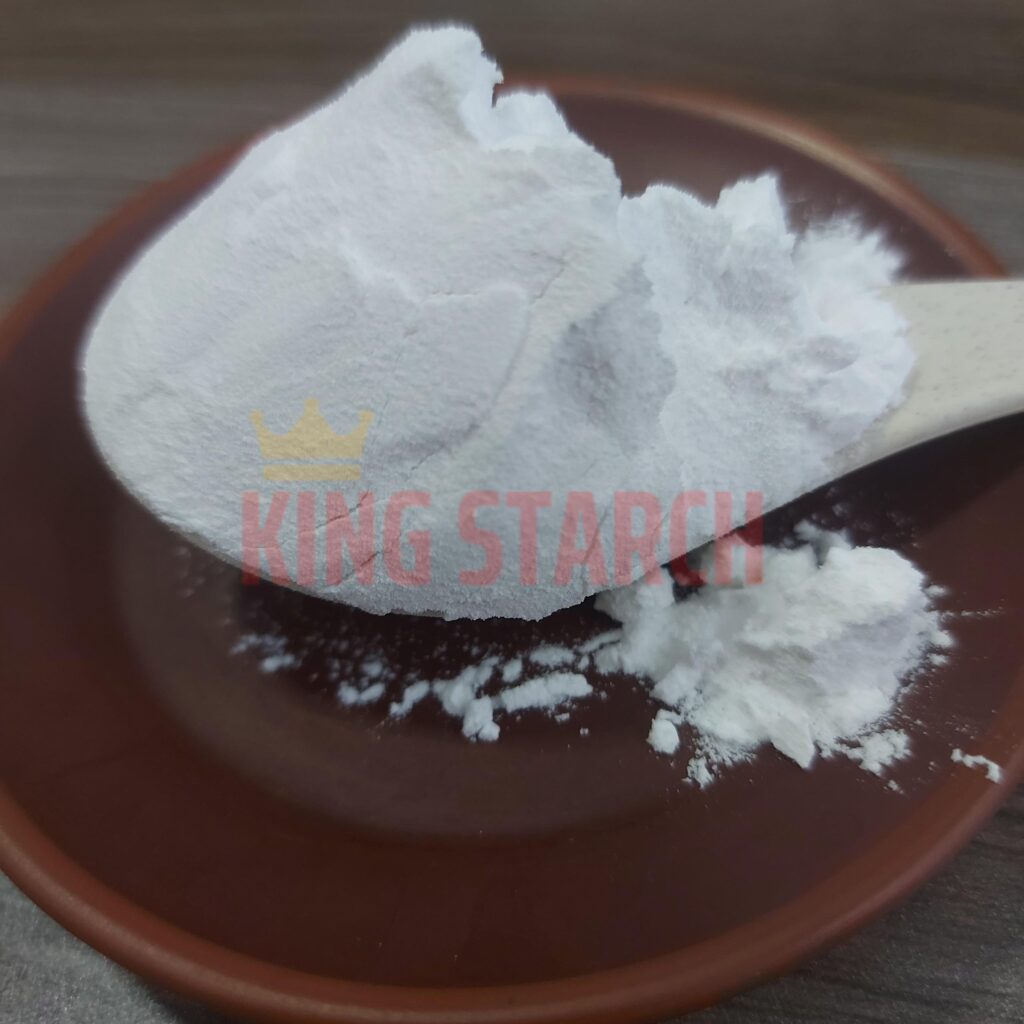
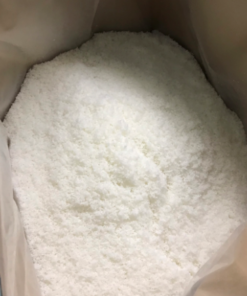
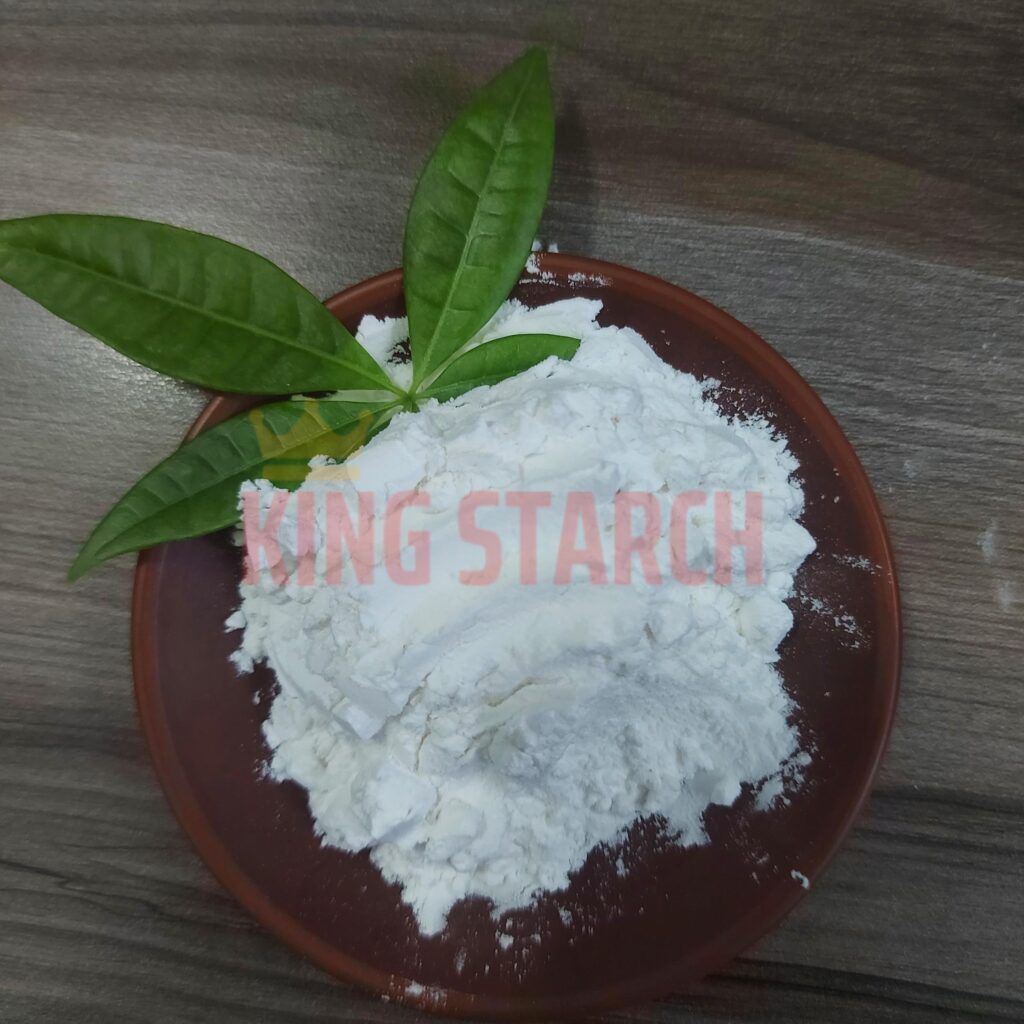
Tapioca starch is typically white or off-white in powder form.
In many applications, this helps manufacturers maintain a relatively neutral base color.
For noodles, the starch may contribute to a cleaner or smoother appearance depending on the formula.
For snacks, it can be useful when the manufacturer wants seasoning or natural ingredient colors to remain visually dominant.
However, final product color is also affected by:
Starch selection is only one part of overall appearance control.
A formulation that performs well in a small laboratory batch may behave differently on a full production line.
Industrial equipment introduces factors such as:
For this reason, manufacturers evaluating tapioca starch for instant noodles and snacks should consider both laboratory and production-scale performance.
Important questions include:
These questions should be answered through controlled application testing.
The food industry is constantly adjusting formulations.
Manufacturers may look for alternative starch sources for reasons such as:
Tapioca starch offers another functional option alongside corn starch, potato starch, wheat starch, and other starches.
It should not automatically be considered superior to all alternatives.
Each starch source has different characteristics.
The most suitable option depends on the product and processing system.
This is an important point for buyers evaluating suppliers.
Rather than asking, “Is tapioca starch better?” the more useful question is:
“Does this tapioca starch grade perform correctly in our specific application?”
Although instant noodles are an important application, tapioca starch for instant noodles and snacks can also be used in many related product categories.
Examples may include:
This versatility makes tapioca starch interesting for manufacturers producing multiple snack categories.
A supplier capable of providing different starch grades may also help buyers evaluate options for different production lines.
When sourcing tapioca starch for food production, buyers should review both technical and commercial factors.
Important parameters may include:
For modified starch, buyers should also confirm the specific modification and intended application.
A product labeled simply as “modified tapioca starch” may not provide enough information to determine whether it is suitable for a particular process.
One of the most important steps before commercial use is sample testing.
Even when two starch products have similar technical specifications, they may behave differently in actual production.
Manufacturers should test starch under realistic conditions.
For instant noodles, this may involve evaluating:
For snacks, manufacturers may evaluate:
This helps buyers select the starch based on actual product performance rather than specification sheets alone.
Tapioca starch is sensitive to moisture.
If stored in humid conditions or exposed to water, the powder can form lumps and may lose its expected flowability.
For this reason, commercial starch should be stored in a clean, dry environment.
Packaging should help protect the product during:
For export orders, buyers should confirm packaging format and storage recommendations before shipment.
The growing use of tapioca starch for instant noodles and snacks is not driven by one single advantage.
Instead, manufacturers are interested in its combination of functional properties.
Depending on the application, tapioca starch can contribute to:
Its relatively neutral flavor also makes it suitable for many different formulations.
However, these benefits should not be treated as guaranteed outcomes.
Every food system is different.
The starch type, formulation, equipment, temperature, moisture, and processing conditions all influence final performance.
Tapioca starch has become an important ingredient option for instant noodle and snack manufacturers looking to adjust texture and processing characteristics.
From noodles and crackers to extruded snacks and coatings, tapioca starch for instant noodles and snacks offers functional versatility across a wide range of applications.
The key is selecting the correct starch grade and testing it within the intended production process.
Native starch may be suitable for some applications, while more demanding systems may require a modified tapioca starch with specific functional properties.
For food manufacturers, the best approach is not to rely on general claims but to evaluate samples, technical specifications, and actual production performance.
Abimex Group supplies Vietnamese native and modified tapioca starch for food manufacturers, ingredient distributors, and industrial customers.
Our tapioca starch portfolio can support applications including instant noodles, snacks, sauces, bakery products, dairy applications, and other processed foods.
Buyers can request product specifications, samples, available technical documentation, and quotations based on their application requirements.