Tag Archives: tapioca starch

How to Read a Tapioca Starch Specification Sheet: Moisture, Whiteness, Viscosity, and pH Explained

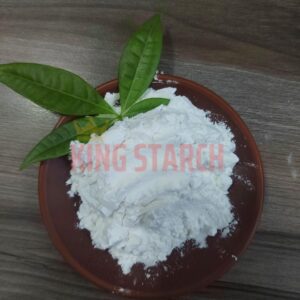
Tapioca starch

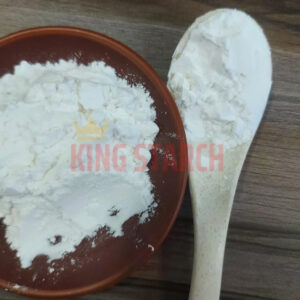
When sourcing tapioca starch, price is only one part of the purchasing decision. A specification sheet provides essential information about product quality, consistency, and suitability for industrial applications. However, values such as moisture, whiteness, viscosity, and pH should not be evaluated independently. Understanding what these parameters represent—and how they are measured—can help purchasing, QA, and […]

How Tapioca Starch Improves Freeze-Thaw Stability in Frozen Foods

Modified tapioca starch

Maintaining consistent texture after freezing and thawing is a major challenge for frozen food manufacturers. Sauces may release water, fillings can lose body, and ready meals may develop an undesirable texture after frozen storage, thawing, or reheating. This is where modified tapioca starch can provide important functional benefits. Selected grades can help manage water, reduce […]

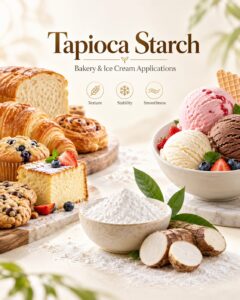
Tapioca Starch in Bakery and Ice Cream: Functional Benefits and Applications

Tapioca starch in bakery and ice cream is used for much more than simple thickening. Derived from cassava, tapioca starch can support texture, moisture management, binding, softness, viscosity, and product stability depending on the formulation and starch grade. In bakery products, it can help improve structure, tenderness, chewiness, and moisture retention. In ice cream and […]

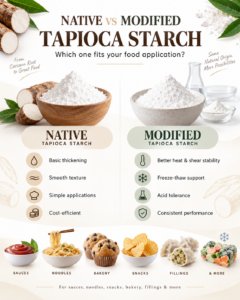
Native vs Modified Tapioca Starch: Which One Fits Your Food Application?

Native vs modified tapioca starch is an important comparison for food manufacturers because both products come from cassava, but they do not always behave the same way during processing. Tapioca starch is widely used in food production for thickening, binding, texture development, moisture management, and product stability. However, choosing between native and modified tapioca starch depends on […]

How Tapioca Starch Is Used as a Natural Adhesive in Industrial Applications

Tapioca

As manufacturers increasingly explore renewable and plant-based raw materials, tapioca starch is gaining attention as a natural adhesive and binder for industrial applications. Derived from cassava roots, tapioca starch offers useful binding, viscosity and film-forming properties when properly processed in water-based systems. For manufacturers of corrugated board, paper tubes, paper packaging and other converted products, […]

How Tapioca Starch Helps Extend Shelf Life in Processed Foods

Tapioca starch for shelf life is gaining attention among food manufacturers because starch does more than simply thicken a product. Depending on the formulation and starch grade, tapioca starch can also help manage water, support texture stability, reduce separation, and maintain product consistency during storage. These functions can indirectly support shelf-life performance in processed foods. However, it is […]

Tapioca Starch vs Corn Starch: Picking the Right Thickener for Your Formula

Tapioca

Tapioca Starch vs Corn Starch: Picking the Right Thickener for Your Formula When comparing tapioca starch vs corn starch, industrial manufacturers should not ask which one is universally better. A more useful question is: which starch delivers the right functionality for the target product, process, texture, and shelf life? Both tapioca starch and corn starch […]

Why Instant Noodle and Snack Manufacturers Are Turning to Tapioca Starch

Modified Tapioca Starch

Tapioca starch for instant noodles and snacks is becoming an increasingly important ingredient for food manufacturers looking to improve texture, processing behavior, and product consistency. Derived from cassava roots, tapioca starch is already widely used across food applications such as noodles, crackers, extruded snacks, coatings, sauces, and bakery products. In instant noodles and snack manufacturing, its […]

Why Tapioca Starch Behaves Differently in Cold vs Hot Recipes

Tapioca starch

For food manufacturers, tapioca starch does not deliver the same functionality at every processing temperature. Its behavior changes as water, heat, shear, and starch structure interact. Understanding these changes is essential when selecting native or modified tapioca starch for industrial food systems where viscosity, texture, stability, and processing tolerance must remain controlled. What Happens to […]

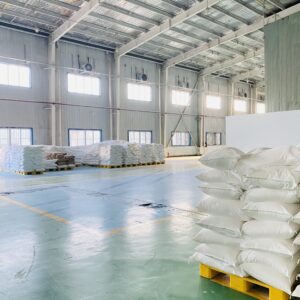
From Farm to Factory: The Journey of Vietnamese Tapioca Starch

Vietnamese tapioca starch begins its journey long before it reaches a food factory, paper mill, textile manufacturer, or industrial user. The process starts in cassava-growing regions, where fresh roots are cultivated, harvested, and transported to processing facilities before being transformed into the fine white starch used in a wide range of applications. For international buyers, understanding […]