
CASHEW NUT SHELL OIL

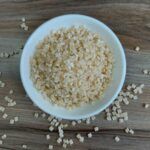
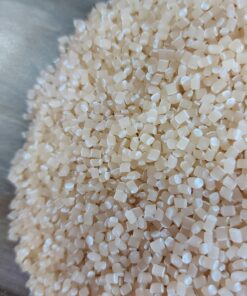
As pet owners and brands become more conscious of material choices, tapioca cat litter is gaining attention as a plant-based alternative to conventional mineral-based litter. Made primarily from cassava-derived materials, tapioca cat litter is designed not only for effective daily use but also with its end-of-life characteristics in mind.
As a professional cassava cat litter manufacturer, we believe that understanding what happens after a litter product is used is becoming increasingly important for distributors, private-label brands, and consumers evaluating more sustainable pet care solutions.
The key difference begins with the raw material.
Tapioca is derived from cassava, a renewable agricultural crop widely used in food, starch, and industrial applications. When cassava-based materials are formulated into cat litter, a substantial portion of the product comes from plant-derived organic matter rather than non-renewable mineral materials.
Under suitable environmental conditions, plant-based components can be broken down gradually through natural biological processes involving microorganisms, moisture, temperature, and other environmental factors.
However, biodegradation is not an instant or identical process in every situation. The actual breakdown of cassava cat litter can vary significantly depending on local disposal conditions, product formulation, climate, moisture levels, and waste-management systems.
For this reason, responsible manufacturers should avoid making universal claims about exact decomposition times unless they are supported by specific testing.
Once the litter has absorbed moisture and formed clumps, its disposal pathway becomes an important consideration.
Because tapioca cat litter contains plant-derived ingredients, its material structure differs from traditional clay litter, which is primarily mineral-based and does not biodegrade in the same way.
After disposal, the organic components of tapioca litter may gradually break down when exposed to appropriate biological conditions. This characteristic can help brands position plant-based litter as an alternative for consumers seeking products made from more renewable raw materials.
That does not mean every disposal method produces the same environmental outcome.
Used cat litter also contains animal waste and microorganisms. Therefore, disposal should always follow applicable local regulations and waste-management guidance. Consumers should not assume that biodegradable automatically means suitable for home composting, garden use, or unrestricted flushing.
One of the most common misunderstandings surrounding biodegradable products is the assumption that they disappear quickly after disposal.
In reality, biodegradation depends heavily on the surrounding environment. Materials may behave differently in industrial waste facilities, landfills, controlled composting environments, or open natural conditions.
This distinction is especially important for pet-care brands communicating sustainability benefits.
Rather than making exaggerated environmental promises, a credible tapioca cat litter manufacturer should focus on verifiable product characteristics: plant-based raw materials, renewable cassava sources, functional performance, and the potential for biological breakdown under suitable conditions.
Clear communication builds stronger long-term trust than unsupported green claims.
Cassava offers several advantages as a raw material for modern cat litter formulations.
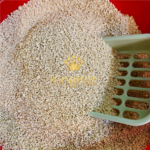
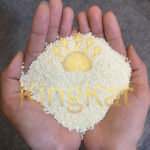
Its starch-rich composition can support strong clumping performance, while properly engineered cassava-based granules can provide effective moisture absorption and convenient litter-box maintenance. Cassava is also an agricultural resource that can be processed into different particle sizes and formulations depending on customer requirements.
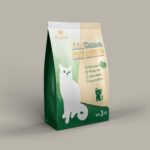
For private-label brands and distributors, this creates opportunities to develop plant-based cat litter, biodegradable cat litter, and premium pet-care products that respond to changing consumer preferences.
At the manufacturing level, formulation remains critical. Raw material selection, granule structure, dust control, absorption performance, odor-management systems, and packaging all influence the final customer experience.
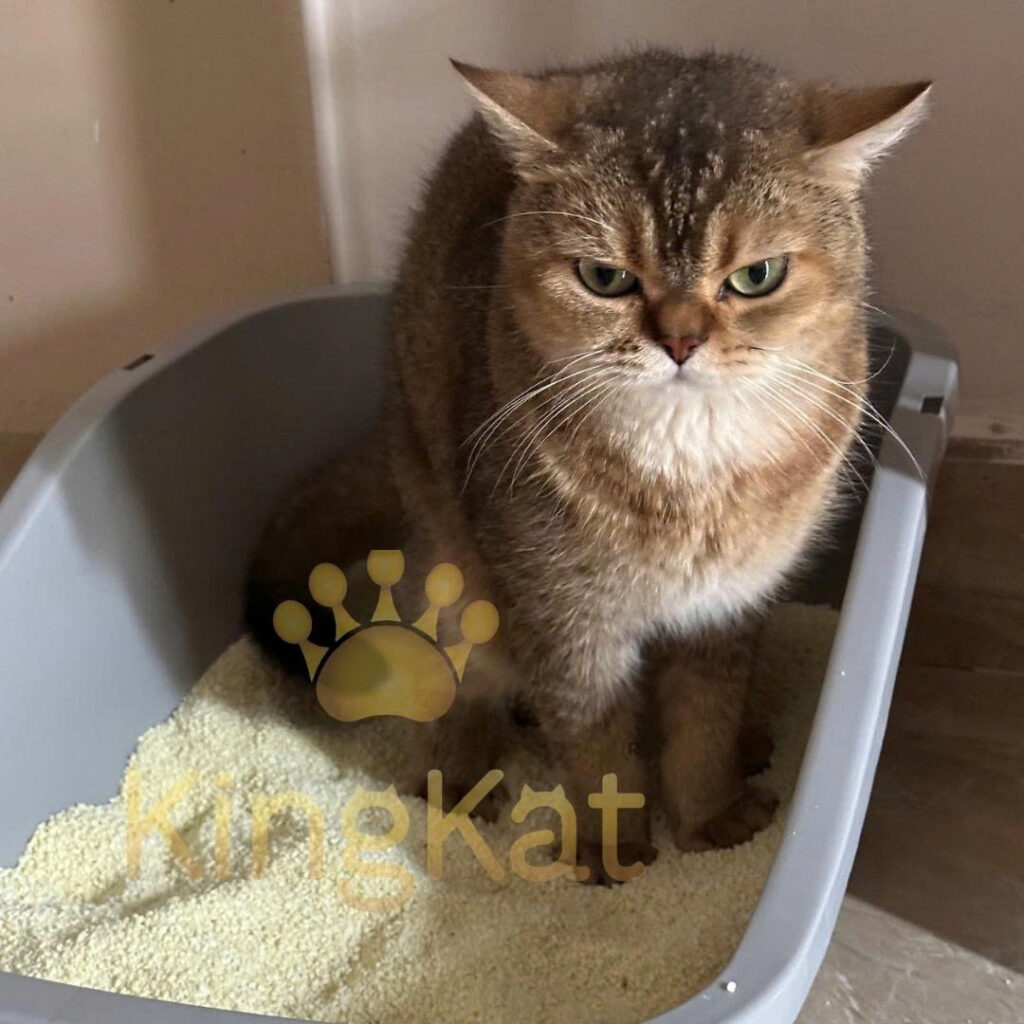
Biodegradability should be considered together with performance, consistency, and responsible product claims.
A reliable cassava cat litter supplier should be able to discuss raw-material composition, production capabilities, product specifications, packaging options, and quality-control procedures transparently.
For international buyers, consistent supply capability and customization are equally important when developing private-label products for different markets.
As a cassava cat litter manufacturer, our focus is to develop functional plant-based litter solutions based on cassava-derived materials while communicating their environmental characteristics accurately and responsibly.
For distributors, pet-care brands, and OEM partners exploring tapioca-based cat litter, the opportunity is not simply to replace one material with another. It is to create products designed around performance, renewable raw materials, and more thoughtful end-of-life considerations.