CASHEW NUT SHELL OIL

CASHEW NUT SHELL OIL
RICE PROTEIN POWDER
RICE PROTEIN POWDER
DESICCATED COCONUT
Choosing the right starch is not only about thickening. In industrial food manufacturing, starch can directly influence processing stability, product texture, shelf life, production yield, and consumer acceptance.
Whether you manufacture sauces, dairy products, frozen foods, bakery fillings, noodles, confectionery, or ready meals, selecting between native tapioca starch and modified tapioca starch is a critical technical decision.
As a professional tapioca starch manufacturer, we help food manufacturers select the most suitable starch based on processing conditions, product specifications, and commercial objectives.
Native tapioca starch is extracted from cassava roots without changing its original molecular structure.
It is widely valued for:
Native tapioca starch is suitable for products with relatively mild processing conditions and short or moderate shelf-life requirements.
However, its viscosity may decrease when exposed to high heat, strong shear, acidic conditions, or repeated freezing and thawing.
Modified tapioca starch is produced by adjusting the functional properties of native starch through approved physical, enzymatic, or chemical modification processes.
The objective is to improve starch performance under demanding industrial conditions.
Depending on the starch grade, modified tapioca starch may provide:
Modified starch is therefore widely used in industrial food applications where native starch may not provide sufficient processing stability.
Table of Contents
ToggleNative tapioca starch can develop high viscosity during cooking, but prolonged heating may weaken the starch structure and cause viscosity breakdown.
Modified tapioca starch is designed to remain more stable during:
For sauces, soups, canned foods, dairy desserts, and ready meals, modified tapioca starch usually provides more reliable processing performance.
Acidic food systems can rapidly reduce the viscosity of native starch, especially when acidity is combined with high processing temperatures.
This is particularly relevant in products such as:
Modified tapioca starch can be engineered to maintain viscosity and texture under low-pH conditions, making it more suitable for acidic food applications.
During frozen storage, starch-based products may release water after thawing. This phenomenon, known as syneresis, can negatively affect product appearance, texture, and consumer acceptance.
Modified tapioca starch can help improve:
This makes it a preferred choice for frozen meals, frozen sauces, bakery fillings, desserts, and other products requiring extended storage.
Native tapioca starch provides a smooth texture, high viscosity, and good clarity. However, its texture range is relatively limited under demanding processing conditions.
Modified tapioca starch can be developed to deliver specific functional characteristics, including:
This flexibility allows manufacturers to create more consistent and differentiated finished products.
Native tapioca starch is often more economical on a price-per-kilogram basis. However, the lowest ingredient price does not always result in the lowest total production cost.
Modified tapioca starch may help reduce:
It may also improve production yield, filling consistency, quality control, and shelf-life performance.
Therefore, manufacturers should compare starches based on cost-in-use, not only purchase price.
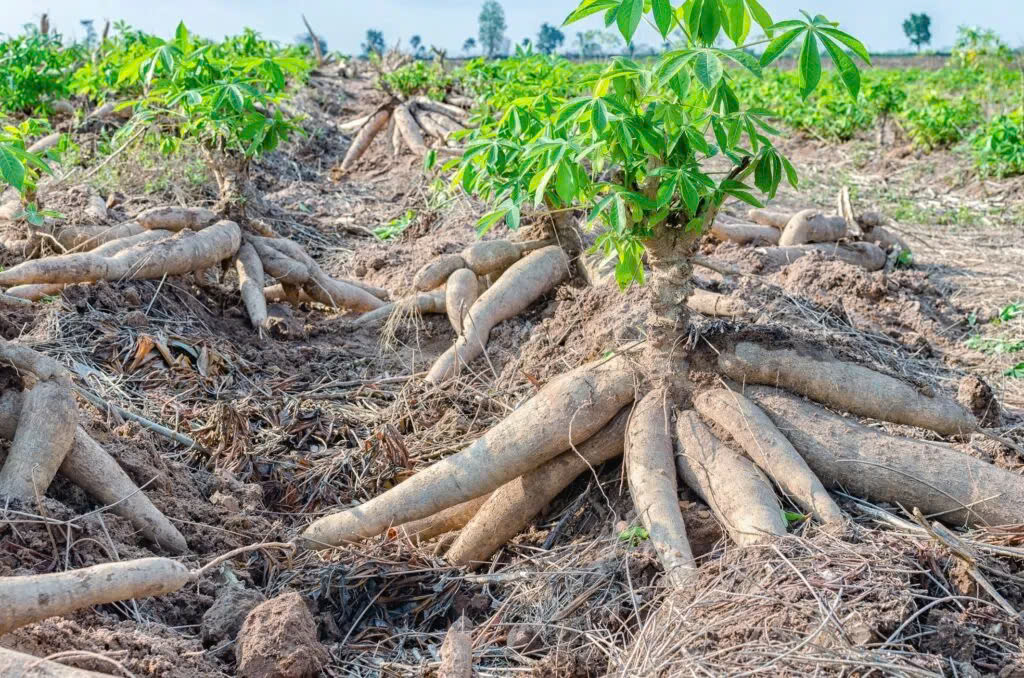
The choice between native and modified tapioca starch depends on how the finished product is manufactured, stored, distributed, and consumed.
Native tapioca starch is suitable for simple formulations and mild processing conditions.
Modified tapioca starch is generally the better option when the product requires resistance to heat, acidity, shear, freezing, or extended storage.
The right decision should be based on technical performance and total cost-in-use rather than ingredient price alone.
By working with an experienced tapioca starch manufacturer, food producers can select a starch solution that supports stable production, consistent quality, and long-term market competitiveness.