
CASHEW NUT SHELL OIL

The global demand for convenience foods continues to grow as consumers seek products that combine taste, quality, and ease of preparation. From ready-to-eat meals and instant soups to powdered sauce mixes, manufacturers face increasing pressure to deliver products that offer excellent texture, stability, and shelf life while meeting consumer expectations for clean-label and natural ingredients.
Among the many functional ingredients used in food manufacturing, tapioca starch has become one of the most versatile and reliable solutions. Its unique functional properties—including superior thickening, excellent freeze-thaw stability, neutral flavor, and smooth mouthfeel—make it ideal for a wide range of convenience food applications.
In this article, we’ll explore how tapioca starch enhances the performance of ready meals, soups, and instant sauces while helping food manufacturers improve product quality and processing efficiency.

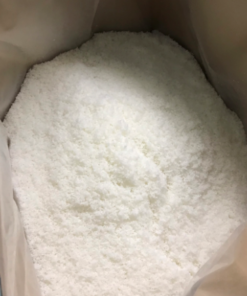
Tapioca starch is a natural carbohydrate extracted from cassava roots. Known for its exceptional purity and functionality, it is widely used throughout the food industry as a thickener, stabilizer, binder, and texturizing agent.
Unlike some starches that may impart unwanted flavors or colors, tapioca starch offers several advantages:
These characteristics have made tapioca starch a preferred ingredient in modern convenience foods worldwide.
Today’s consumers expect convenience foods to deliver restaurant-quality experiences in minutes. Products must maintain their texture and flavor during manufacturing, transportation, storage, and reheating.
Tapioca starch addresses these challenges by improving:
Consumers immediately notice texture when enjoying ready meals or sauces. Tapioca starch creates a smooth and creamy mouthfeel without producing undesirable graininess or excessive thickness.
Convenience foods often experience temperature fluctuations throughout their lifecycle. Tapioca starch helps maintain product consistency during:
Its excellent water-binding properties help prevent:
These advantages contribute significantly to maintaining premium product quality.
Ready meals represent one of the fastest-growing segments within the food industry. Consumers increasingly demand products that are both nutritious and convenient without sacrificing taste or texture.
Tapioca starch enhances ready meals by:
For example, creamy pasta sauces often require excellent stability after freezing and microwave reheating. Tapioca starch allows manufacturers to maintain smooth textures without compromising product appearance or mouthfeel.
Similarly, meat-based ready meals benefit from improved moisture retention, preventing dryness during extended storage and reheating processes.
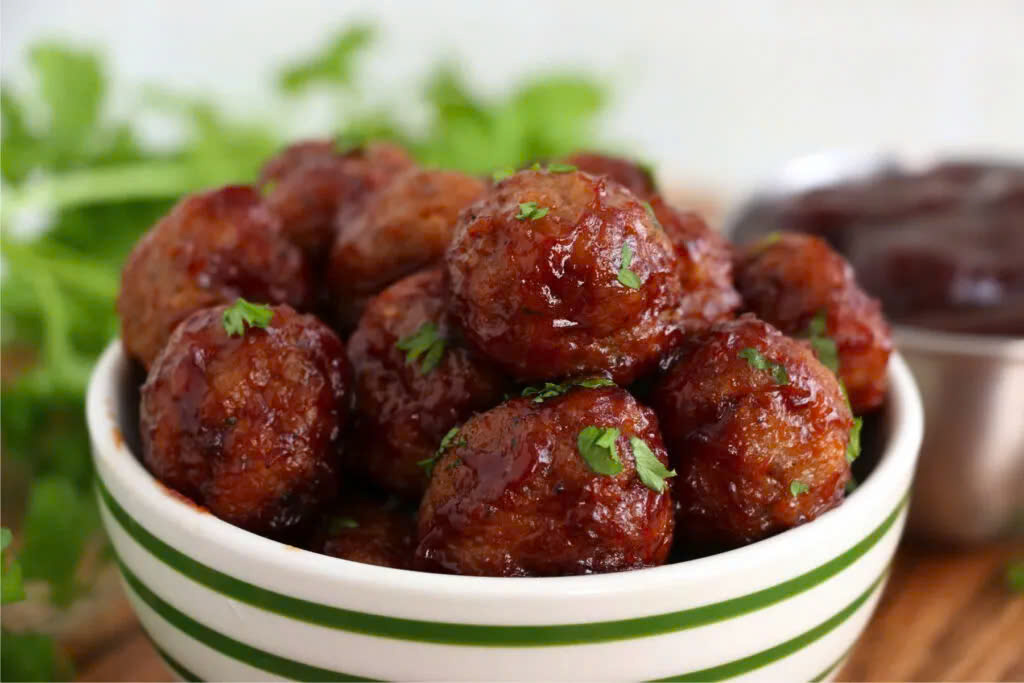
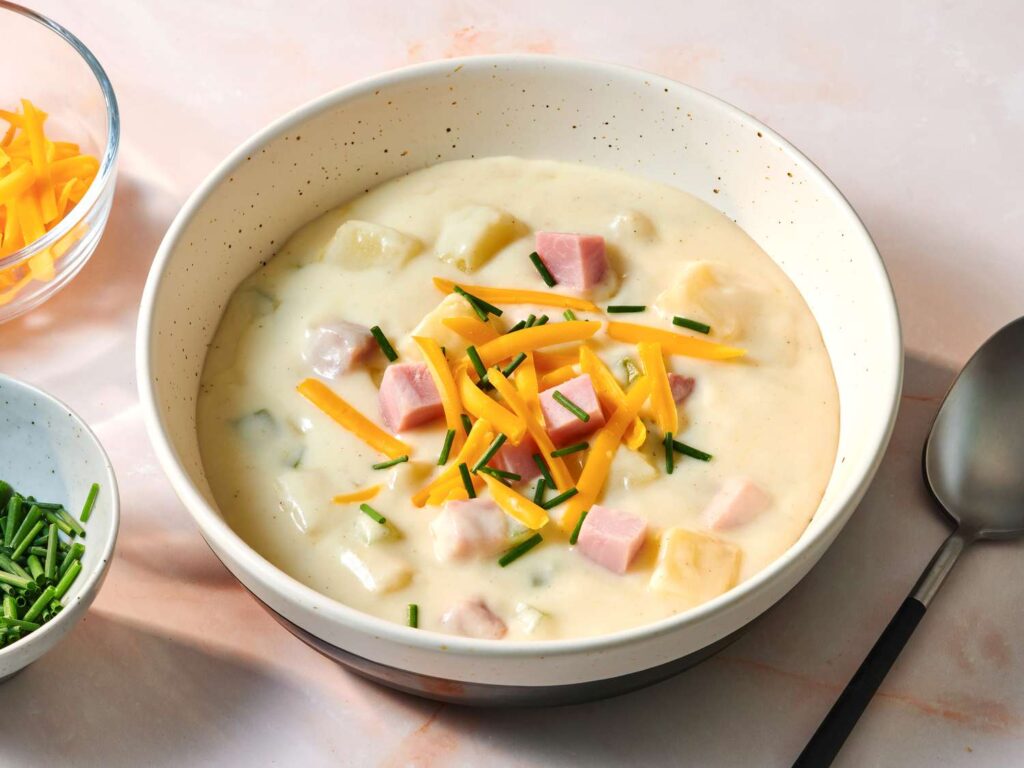
Instant soups have become staples for consumers seeking quick and satisfying meals. Whether sold as powders, concentrates, or ready-to-serve products, consistency remains essential for consumer acceptance.
Tapioca starch rapidly develops viscosity during cooking while maintaining excellent clarity and smoothness. Its neutral taste allows manufacturers to preserve the original flavor profiles without interference.
Consumers increasingly prefer soups that deliver homemade quality, making texture enhancement more important than ever.
Instant sauces present unique formulation challenges because they must dissolve quickly while maintaining stable textures.
Common products include:
Tapioca starch provides:
Manufacturers can achieve desirable viscosity levels with relatively low usage rates while maintaining smooth textures.
Consumers often associate glossy sauces with premium quality. Tapioca starch contributes an attractive sheen that enhances product appeal.
Instant sauces frequently undergo multiple heating cycles. Tapioca starch maintains consistency without becoming excessively thick or separating.
Ingredients such as herbs, spices, vegetables, and protein particles remain evenly distributed throughout the product, improving both functionality and appearance.

Many convenience foods are frozen before distribution. Freeze-thaw stability has therefore become one of the most critical factors when selecting starch ingredients.
Poor freeze-thaw performance may result in:
Tapioca starch demonstrates excellent resistance to freeze-thaw cycles, making it highly suitable for:
This characteristic significantly reduces formulation challenges for food manufacturers targeting international markets.
Beyond consumer satisfaction, tapioca starch offers numerous manufacturing advantages.
As convenience food markets continue expanding globally, ingredient functionality plays a major role in product differentiation. Manufacturers increasingly require ingredients capable of delivering both performance and sustainability.
Tapioca starch successfully meets these requirements across multiple food categories.
Consumer preferences continue shifting toward products that offer convenience, premium quality, and recognizable ingredients. Food manufacturers are responding by reformulating products with cleaner labels and improved textures.
Tapioca starch aligns perfectly with these trends by providing:
Its applications are expected to expand further across ready meals, soups, instant sauces, and emerging convenience food categories worldwide.
Tapioca starch has become an indispensable ingredient in modern convenience foods. Its outstanding thickening ability, freeze-thaw stability, smooth mouthfeel, and excellent water-binding properties allow manufacturers to create products that satisfy today’s demanding consumers.
Whether used in ready meals, instant soups, or premium sauces, tapioca starch delivers the performance required for consistent product quality and manufacturing efficiency. As global demand for convenient and high-quality food continues to rise, tapioca starch will remain a key ingredient driving innovation across the