
CASHEW NUT SHELL OIL

Desiccated coconut grind size is one of the most overlooked specifications in food manufacturing, yet it can determine whether a recipe succeeds or fails. Fine, Medium, and Coarse desiccated coconut may all come from the same fresh coconut, but the desiccated coconut grind size you choose directly shapes texture, appearance, and performance in the finished product. For bakers, confectioners, snack manufacturers, and private-label brands, understanding the practical differences between Fine, Medium, and Coarse desiccated coconut is an essential first step before placing a bulk order.
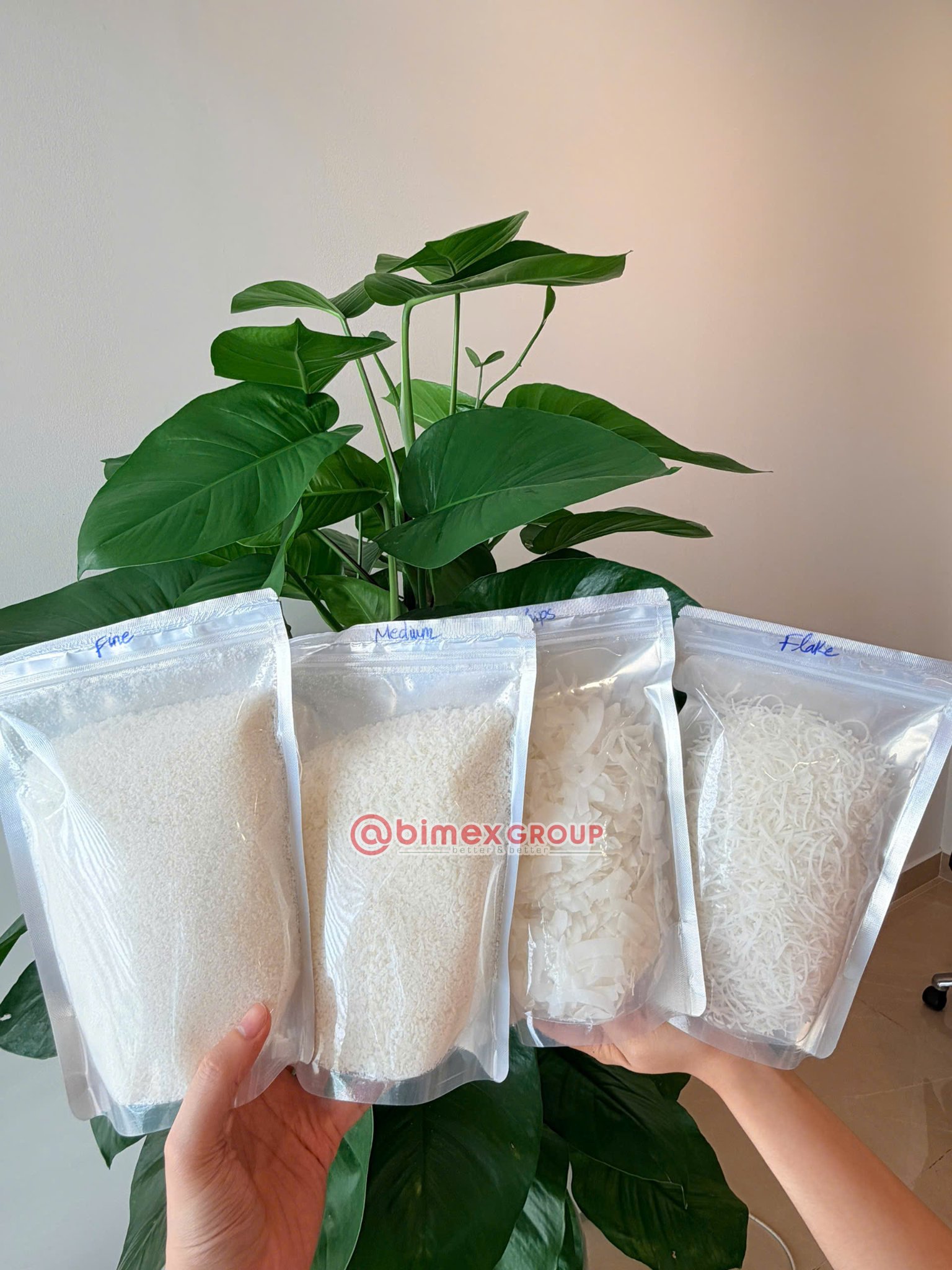
Grind size in desiccated coconut refers to the particle-size distribution created during the shredding, grating, or grinding stage of production, then confirmed through sieve analysis. Producers classify coconut into standardized grades such as Fine, Medium, Flakes, and Chips, each defined by the percentage of particles that pass through or are retained on specific sieve sizes.
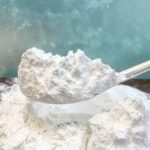
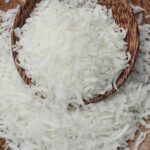
Fine desiccated coconut has the smallest, most powder-like particle size among common grades. It blends smoothly into batters and mixtures, disperses evenly, and creates a soft, less noticeable texture in the finished product. Fine grade is commonly used in cake and bread formulations, fillings, coconut milk and coconut milk powder production, confectionery centers, and any application where a smooth mouthfeel is required without a distinct chewy bite.
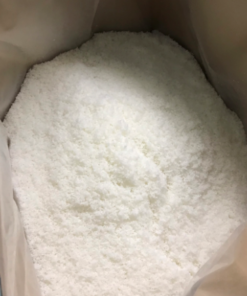
Medium desiccated coconut sits between Fine and Flakes in particle size, offering a visible coconut texture without the larger, chewier pieces found in coarser grades. This grade is a popular all-purpose choice for cookies, granola, macaroons, coatings, and snack mixes, where manufacturers want the eating experience and visual appeal of real coconut pieces while keeping a manageable, consistent bite size.
Coarse desiccated coconut, typically sold as Flakes or Chips, consists of larger, more visible pieces of coconut meat. These grades are widely used for toasted coconut toppings, granola bars, trail mixes, and premium bakery decoration, where a pronounced chewy or crunchy coconut bite and strong visual presence are desirable. Coarse grades generally show slower moisture absorption than finer grades due to their lower surface-area-to-volume ratio, which can be an advantage in certain shelf-stable applications.
Choosing between Fine, Medium, and Coarse desiccated coconut should start with the finished product’s target texture and appearance, not simply habit or price. A manufacturer developing a smooth coconut filling should generally avoid Coarse grades that would create an uneven bite, while a brand emphasizing a visually rich, toasted coconut topping may find Fine grade too subtle to stand out.
For a deeper look at the specific parameters worth checking, see our guide to desiccated coconut quality parameters.
One common sourcing mistake is assuming that “Fine Grade” or “Medium Grade” means the same particle-size distribution across every supplier. In practice, two suppliers’ Fine grades can differ noticeably. Buyers should always request sieve-analysis results specifying the sieve sizes used, the percentage passing or retained at each size, and the acceptable production tolerance, so that the grade received consistently matches what was ordered and tested.
Particle size also influences how desiccated coconut behaves in storage. Fine desiccated coconut has a larger surface area relative to its volume, which can make it slightly more prone to moisture absorption and clumping if packaging or warehouse conditions are not well controlled. Coarser grades such as Flakes and Chips tend to be a little more forgiving in this respect, though all grades still require dry, cool, odor-free storage to maintain their intended texture and shelf life.
Ultimately, choosing the correct desiccated coconut grind size is a practical decision, not a cosmetic one, and confirming desiccated coconut grind size with sieve-analysis data before every shipment protects both texture and cost.
Fine, Medium, and Coarse desiccated coconut each serve a distinct purpose in food manufacturing, from smooth fillings and batters to visually rich toppings and chewy snack inclusions. Matching the grind to your product’s texture and appearance goals, backed by verified sieve-analysis data, helps avoid costly reformulation or quality complaints after a bulk shipment arrives.
Abimex Group supplies Vietnamese desiccated coconut in Fine, Medium, Flakes, and Chips grades, with sieve-analysis data and samples available for every batch. Our team can help you identify the right grind size for your specific bakery, confectionery, snack, or dairy application.
Contact Abimex Group to request product specifications, quotations, or samples for your desiccated coconut sourcing needs.