
CASHEW NUT SHELL OIL

Desiccated coconut in granola and snack mixes can contribute much more than coconut flavor. Depending on its particle size, fat level, degree of toasting, and how it interacts with other ingredients, coconut can influence texture, aroma, appearance, mouthfeel, and the overall eating experience.
For granola manufacturers, cereal-bar brands, snack producers, and private-label developers, however, there is no single coconut specification that is automatically right for every formula.
A fine grade may integrate easily into one cereal bar but become less visible than desired in another. A larger cut may deliver stronger texture in a snack mix but interact differently with coatings or binders. Toasting can create a deeper flavor and darker appearance, while the fat level may influence richness and mouthfeel.
The right choice therefore depends on the finished product, manufacturing process, target consumer, and desired sensory profile.
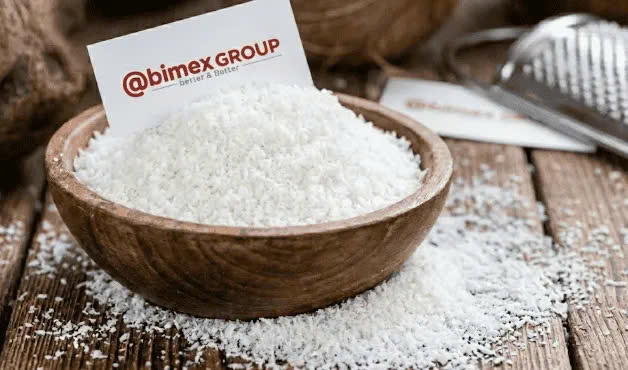
Granola, cereal bars, and snack mixes may appear similar because they often share ingredients such as grains, nuts, seeds, fruit, and coconut. From a product-development perspective, however, they can behave very differently.
Granola may involve baking or toasting coconut together with other ingredients. Cereal bars may expose coconut to syrups, binders, compression, or other moisture-containing components. A ready-to-eat snack mix may instead require coconut pieces to remain more distinct and visually recognizable.
Because of these differences, desiccated coconut in granola and snack mixes should be selected according to the actual manufacturing environment.
Manufacturers should ideally test samples in their own process rather than assume that a grade performing well in one application will give the same result in another.
Particle size is often one of the first decisions manufacturers need to make.
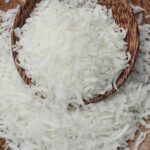
Desiccated coconut is available in different cuts and particle sizes, which may include fine, medium, and larger formats depending on the supplier.
Fine coconut can disperse more evenly throughout a formulation. It may be useful when manufacturers want coconut flavor and texture to become integrated into the product rather than appear as highly visible individual pieces.
In cereal bars, for example, a finer grade may mix relatively easily with grains, fruit pieces, nuts, or binder systems.
However, if visual coconut identity is important, a very fine grade may become less noticeable in the final product.
Medium-sized particles can provide a balance between integration and visible texture.
They may create a more noticeable bite than fine coconut while still distributing reasonably well throughout granola clusters or bar formulations.
Larger particles or flakes can create a more distinctive coconut presence and stronger visual contrast.
They may be interesting for premium granola or snack mixes where recognizable coconut pieces are part of the product concept.
When selecting desiccated coconut in granola and snack mixes, manufacturers should consider not only what the coconut looks like before production, but also what happens after mixing, baking, coating, or compression.
Fat content can influence the sensory experience of coconut.
Coconut naturally contains fat, which contributes to its characteristic richness, aroma, and mouthfeel. Commercial coconut ingredients may be offered with different fat-related specifications depending on processing and supplier portfolio.
For manufacturers, fat level can be relevant to:
A coconut ingredient with one fat profile should not automatically be considered superior to another. The appropriate option depends on the intended product.
In a cereal bar, for example, the ingredient needs to work alongside binders, grains, chocolate, fruit, or nuts. In a dry snack mix, manufacturers may care more about how the coconut tastes and feels as an individual component.
For this reason, desiccated coconut in granola and snack mixes should be evaluated in the context of the complete formulation rather than by fat content alone.
Toasting can noticeably change coconut.
As coconut is heated, its aroma can become more roasted and complex, while its color may move from white or creamy tones toward golden or brown shades depending on the process.
This can help manufacturers create different product identities.
Untoasted or lightly processed coconut may provide a fresher-looking, lighter coconut profile. A more toasted ingredient can offer stronger roasted notes and more visual contrast with pale grains or cereals.
The ideal level depends on the concept.
A tropical fruit granola may call for a different coconut profile from a chocolate cereal bar or a roasted nut snack mix.
It is also important to consider the manufacturer’s own thermal process. Coconut that enters a baking or roasting stage may continue to change during production.
Therefore, the starting toast level should be assessed together with the conditions the ingredient will experience in the final manufacturing process.
Granola bars and cereal bars often contain ingredients that can introduce moisture or create contact between coconut and syrups, fruit preparations, or other binders.
When coconut interacts with these components, its texture can change.
Particles may soften, absorb moisture, or become more integrated into the product over time. Larger cuts may remain more noticeable, while finer particles may blend more easily into the surrounding matrix.
This means desiccated coconut in granola and snack mixes should be evaluated not only immediately after production but also during relevant product-development and stability testing.
A texture that seems ideal immediately after mixing may evolve during storage.
Manufacturers should rely on their validated formulation and shelf-life studies before making claims about long-term product performance.
One of coconut’s strengths in snack development is its ability to create texture contrast.
A cereal or granola product may already contain crunchy oats, nuts, or seeds. Depending on cut size and processing, coconut can add another layer of texture rather than simply another flavor.
In snack mixes, visible coconut pieces can also create contrast with ingredients such as dried fruits, nuts, chocolate pieces, or cereals.
For cereal bars, texture needs may be different. Manufacturers may want coconut that integrates into the bar without creating excessive hardness or interfering with the desired bite.
There is no universal ideal texture. Product developers need to decide whether they want coconut to be:
These decisions can guide the choice of grade and processing style.
Consumers often see the product before tasting it.
In transparent packaging, open-top granola packs, or visibly textured cereal bars, coconut can contribute to the overall appearance.
White or lightly colored coconut may create contrast with toasted grains and chocolate. Toasted coconut may provide a warmer, more blended visual profile.
Larger pieces may also help signal coconut more clearly to the consumer.
This makes visual consistency an important consideration when purchasing desiccated coconut in granola and snack mixes.
Buyers may want to discuss expected color, particle-size distribution, and natural variation with the supplier before commercial production.
The same coconut ingredient may behave differently under different manufacturing conditions.
Factors such as:
can all influence the finished product.
For example, coconut added before baking may experience additional heat exposure compared with coconut added after a granola product has cooled.
Similarly, coconut incorporated into a compressed cereal bar can experience different physical conditions from coconut added loosely to a snack mix.
This is why supplier samples should ideally be tested under realistic production conditions.
When sourcing desiccated coconut in granola and snack mixes, buyers may want to review more than simply the product name or price.
Useful points to discuss include:
Manufacturers should also communicate the intended application.
A supplier who knows whether the coconut will be used in baked granola, compressed cereal bars, chocolate-coated snacks, or dry mixes can have a more useful specification discussion with the buyer.
Choosing desiccated coconut in granola and snack mixes is ultimately about product fit.
Fine, medium, and larger cuts can each offer advantages depending on the application. Different fat profiles may contribute different sensory characteristics, while toast level can influence both flavor and appearance.
The most suitable combination depends on the recipe, processing conditions, target texture, visual concept, packaging, and market positioning.
Rather than searching for a grade that is universally “best,” manufacturers can achieve better results by defining what they want the coconut to contribute to the finished product and then testing suitable specifications.
Abimex Group supports international B2B buyers sourcing coconut ingredients for granola, cereal bars, snack products, bakery, confectionery, private-label, and other food-manufacturing applications.
If your business is evaluating desiccated coconut in granola and snack mixes, Abimex Group can support discussions around available grades, product specifications, packaging requirements, samples, and export coordination.
Contact Abimex Group to discuss your product application and the desiccated coconut specifications that may best match your development and sourcing needs.