
CASHEW NUT SHELL OIL

Jackfruit chips as a travel snack can offer an interesting combination of portability, tropical flavor, and crunchy texture for consumers who want something different from conventional chips, nuts, or soft dried fruit.
For snack brands, distributors, retailers, and private-label buyers, travel occasions can also create useful product-positioning opportunities. Airports, convenience stores, highway stops, cafés, hotels, online travel packs, and gift retailers may all provide potential channels for portable snack formats.
However, a product that works well for travel needs more than appealing flavor. Packaging, pack size, breakage resistance, storage conditions, seal integrity, and ease of consumption can all affect the consumer experience.
For this reason, brands considering jackfruit chips for travel-focused products should evaluate both the snack itself and the way it is packed and distributed.
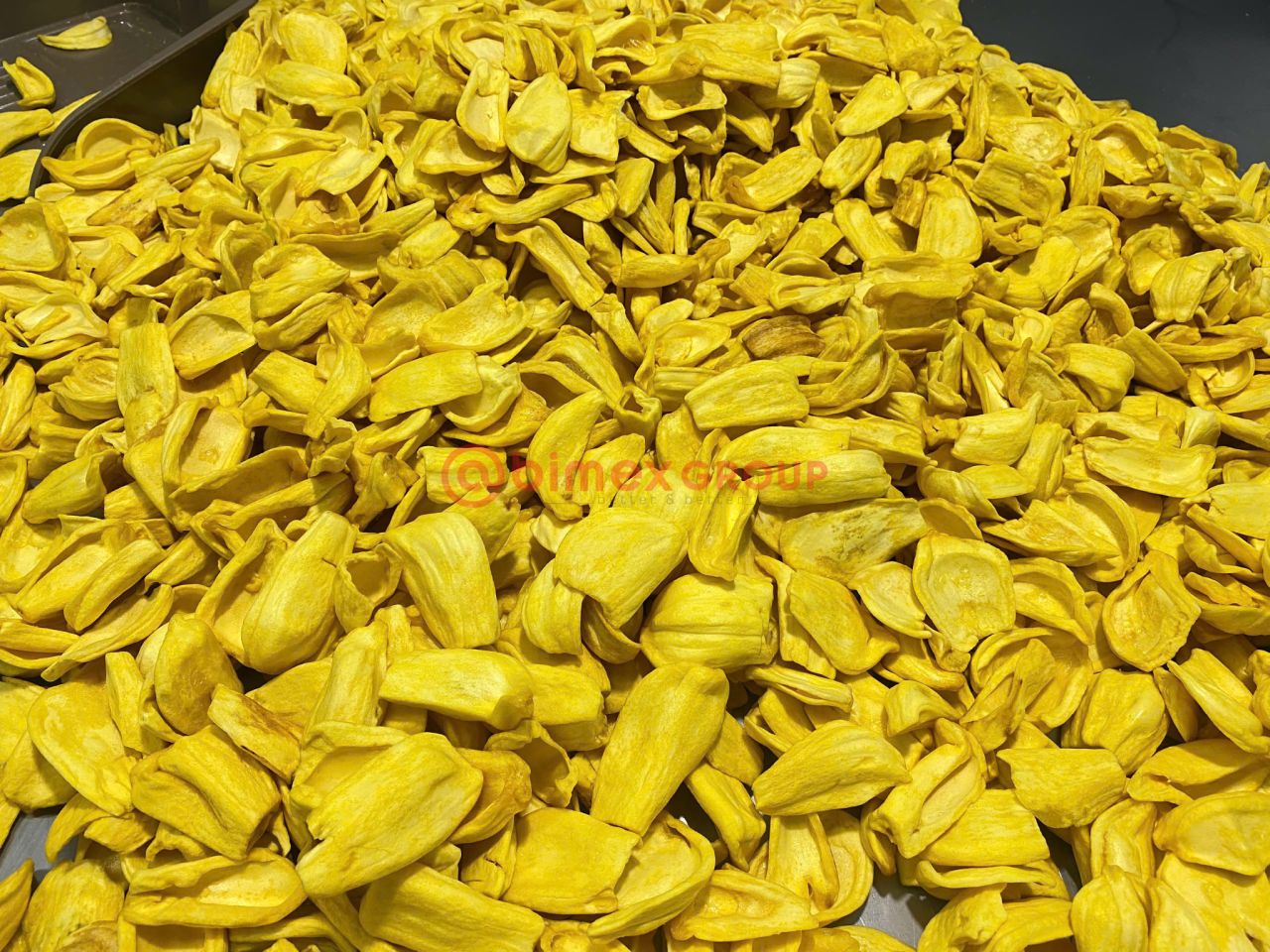
Travel snacks generally need to be easy to carry, convenient to open, and simple to eat without much preparation.
This is one reason jackfruit chips as a travel snack may fit certain retail and consumer occasions.
Unlike fresh fruit, jackfruit chips do not require peeling or cutting before eating. They can be portioned into compact packages and consumed directly from the pack.
Their crunchy texture also gives consumers a different experience from soft dried fruit.
For tropical snack brands, jackfruit chips can additionally provide a clear product identity. Consumers can immediately understand that they are eating a fruit-based snack with a distinctive Southeast Asian character.
Still, convenience depends heavily on packaging design.
A good product in unsuitable packaging may arrive broken, lose its crispness, or become inconvenient to carry.
One of the biggest requirements for travel snacks is portability.
Consumers may carry snacks in handbags, backpacks, suitcases, car compartments, or hand luggage. This means pack size and packaging strength matter.
Smaller packs may be suitable for short trips or single-use occasions. Larger packs can work for sharing, family travel, or longer journeys.
For brands positioning jackfruit chips as a travel snack, the packaging should ideally balance convenience with product protection.
Important considerations include:
The best configuration depends on the target consumer and sales channel.
Texture is one of the most recognizable characteristics of jackfruit chips.
A crisp or crunchy bite can make the product feel more like a traditional snack while still maintaining a recognizable fruit identity.
However, crunch can vary between products.
Raw fruit characteristics, slice thickness, frying or drying conditions, final moisture, oil management, packaging, and storage can all influence texture.
This means buyers should avoid assuming that every jackfruit chip sample will deliver the same eating experience.
For travel-focused products, texture consistency can be particularly important because consumers may eat the product directly from the pack without combining it with other ingredients.
Brands should therefore evaluate samples not only when freshly opened, but also under realistic packaging and handling conditions.
Taste is another reason consumers may be interested in jackfruit chips as a travel snack.
Jackfruit has a recognizable tropical flavor and aroma that can differentiate it from more conventional chip products.
Depending on the raw material and processing method, the final snack may vary in sweetness, aroma intensity, color, and texture.
This variation is one reason physical sample approval is important for B2B sourcing.
Brands should define what kind of sensory experience they want to offer.
Do they want a strong jackfruit aroma?
A lighter flavor?
Larger pieces with more visual impact?
Smaller pieces that are easier to snack on?
Clear expectations can help suppliers and buyers align product specifications more effectively.
Crunchy snacks are sensitive to their surrounding environment.
If packaging does not provide suitable protection, exposure to humidity can affect texture over time.
For this reason, jackfruit chips as a travel snack need packaging designed for the product and intended distribution conditions.
Seal integrity is especially important.
A damaged or poorly sealed pack may allow environmental moisture or air to enter, potentially changing the product’s texture, aroma, or overall sensory quality.
Brands should also consider what happens after opening.
If a pack is designed for multiple eating occasions, resealable packaging may provide greater convenience than a package intended to be consumed all at once.
The appropriate solution depends on the pack size and usage occasion.
Jackfruit chips can be relatively fragile.
This creates an important packaging challenge.
A product may leave the factory with attractive whole pieces but arrive with a higher proportion of broken chips after transport, warehousing, shelf handling, or being carried in luggage.
Breakage does not automatically mean the product is poor quality, but excessive breakage can affect presentation and customer expectations.
For travel positioning, manufacturers and buyers may want to consider:
Testing the product through realistic logistics conditions can provide more useful information than evaluating only a freshly packed sample.
Another important consideration for jackfruit chips as a travel snack is storage.
Consumers may carry the product through different environments, including airports, vehicles, hotels, outdoor locations, or warm climates.
Heat and humidity can influence food products, particularly crispy snacks.
Brands should therefore provide storage guidance based on the validated product specification and supplier recommendations.
For B2B buyers, it is useful to review how the product should be stored before and after opening.
Exact shelf life should not be assumed from the product category alone. It depends on the formulation, processing method, packaging system, storage conditions, and product-specific validation.
Different retail channels may require different pack formats.
A small grab-and-go pack may work well in cafés, airport stores, convenience shops, or hotel minibars.
Larger packs may suit supermarkets, travel bundles, family use, or online multipacks.
Gift retail can also create opportunities for more premium packaging or mixed tropical snack assortments.
When developing jackfruit chips as a travel snack, brands should consider the intended point of sale before finalizing pack size.
A package designed for supermarket shelves may not automatically be ideal for an airport kiosk or café counter.
Channel strategy and packaging strategy should support each other.
For buyers sourcing travel-oriented jackfruit chips, useful points to evaluate include:
These factors provide a more complete view of product suitability than price alone.
If the product will be sold through multiple channels, buyers may also want to consider whether one specification and packaging format can serve all channels or whether separate pack formats would work better.
Ultimately, jackfruit chips as a travel snack are about more than simply putting chips into a portable bag.
The product needs to remain enjoyable through handling, transportation, opening, and consumption.
Crunch, flavor, piece integrity, packaging strength, storage conditions, and pack size all contribute to the final experience.
For brands and distributors, the most effective approach is to evaluate jackfruit chips within the actual travel context they are intended for.
Instead of asking only whether jackfruit chips are portable, ask whether the complete product—from chip specification to packaging—fits the consumer’s travel occasion.
If your business is considering jackfruit chips as a travel snack, choosing the right product specification and packaging format can help support a more consistent consumer experience.
Abimex Group supports international B2B buyers sourcing jackfruit chips and other processed fruit products for retail, private-label, supermarkets, convenience channels, gift retail, and snack applications.
From product specifications and sample discussions to packaging requirements, documentation, and export coordination, Abimex Group works with buyers to support different market and distribution needs.
Contact Abimex Group to discuss your jackfruit chip requirements, travel-friendly packaging ideas, product specifications, and sourcing plans.