CASHEW NUT SHELL OIL

CASHEW NUT SHELL OIL
RICE PROTEIN POWDER
RICE PROTEIN POWDER
DESICCATED COCONUT
Vietnam coconut supply chain has become one of the most dynamic and promising agricultural sectors in Southeast Asia. With abundant coconut-growing regions, increasing global demand for coconut-based products, and strong export potential, Vietnam is gradually positioning itself as a leading supplier in the international coconut industry. From coconut cultivation and harvesting to processing and export, the Vietnamese coconut supply chain plays a vital role in delivering high-quality coconut products to global markets.

Table of Contents
ToggleVietnam is well known for its tropical climate and fertile soil, which create ideal conditions for coconut cultivation. The country currently has more than 190,000 hectares of coconut plantations, concentrated mainly in the Mekong Delta region, especially in Ben Tre — often referred to as the “coconut capital” of Vietnam.
The coconut industry contributes significantly to the agricultural economy by creating jobs, supporting rural communities, and generating export revenue. Vietnam exports a wide range of coconut-derived products, including:
As consumer demand for organic, natural, and sustainable products continues to rise worldwide, Vietnam’s coconut sector is gaining more attention from international buyers.
The supply chain begins with coconut farming. Most coconut plantations in Vietnam are operated by smallholder farmers who have years of experience cultivating coconuts. The Mekong Delta region offers ideal growing conditions thanks to its warm climate, rich soil, and extensive river system.
Farmers typically grow several coconut varieties, including:
Many farms are now shifting toward sustainable and organic farming methods to meet international certification standards such as USDA Organic, EU Organic, and GlobalG.A.P.
Coconuts are harvested year-round, making the coconut industry a stable source of income for many Vietnamese farmers. After harvesting, coconuts are collected and transported to local purchasing stations or processing factories.
At this stage, quality control becomes extremely important. Suppliers carefully classify coconuts based on:
Efficient logistics and transportation systems help maintain freshness and reduce product loss during transit.
Processing is one of the most valuable stages in the Vietnam coconut supply chain. Modern factories transform raw coconuts into various value-added products for domestic and international markets.
Some common processing activities include:
Fresh coconut water is filtered, pasteurized, and packaged for retail distribution. This segment has seen rapid global growth due to increasing consumer interest in healthy beverages.
Virgin coconut oil and refined coconut oil are widely used in the food, cosmetic, and pharmaceutical industries.
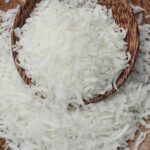
Coconut meat is dried and processed into desiccated coconut for bakery and confectionery applications.
Coconut shells are converted into activated carbon and charcoal briquettes, which are popular for grilling, water filtration, and industrial applications.
Coconut husks are processed into coir fiber, mats, ropes, and eco-friendly gardening products.
Vietnamese manufacturers are increasingly investing in advanced technologies and international certifications to improve production efficiency and product quality.
Vietnam has become a major exporter of coconut products to markets such as:
The country benefits from several free trade agreements that help reduce tariffs and improve market access.
International buyers are particularly interested in Vietnamese coconut products because of:
In recent years, Vietnam’s coconut exports have grown significantly, especially in the premium and organic product segments.
Despite its strong potential, the Vietnam coconut industry still faces several challenges.
Many coconut farms are fragmented and relatively small, making it difficult to standardize production and quality control across the entire supply chain.
Saltwater intrusion, drought, and changing weather patterns in the Mekong Delta can negatively impact coconut yields and farming conditions.
Some small processors still rely on outdated technologies, which may limit production efficiency and product consistency.
Vietnam competes with major coconut-producing countries such as Philippines, Indonesia, and Thailand in global export markets.
To remain competitive, Vietnamese businesses must continue improving quality standards, traceability systems, and sustainable production practices.
The future of the Vietnam coconut supply chain remains highly promising. Several trends are expected to drive further growth:
Consumers worldwide are increasingly seeking natural and chemical-free products, creating opportunities for organic coconut suppliers.
Coconut by-products are widely used in environmentally friendly packaging and biodegradable materials.
Products such as coconut water, virgin coconut oil, and plant-based coconut milk are becoming increasingly popular among health-conscious consumers.
Instead of exporting only raw coconuts, Vietnamese companies are focusing more on processed and branded coconut products with higher profit margins.
The Vietnam coconut supply chain is evolving rapidly and becoming an important part of the global agricultural and food industry. With strong farming traditions, abundant natural resources, and growing investment in modern processing technologies, Vietnam has significant potential to become a global leader in coconut exports.
By improving sustainability, product quality, and international certifications, the Vietnamese coconut industry can continue expanding its presence in high-value global markets.
Abimex Group is a trusted Vietnamese supplier specializing in high-quality coconut products for global markets.
With a commitment to quality, sustainability, and international export standards, Abimex Group is ready to support importers, distributors, and business partners worldwide with reliable sourcing and professional service.