
CASHEW NUT SHELL OIL

Mango is one of the world’s most popular tropical fruits, appreciated for its naturally sweet flavor, vibrant color, and distinctive aroma. When fresh mango is transformed into soft dried mango, it becomes a convenient, shelf-stable snack that can be enjoyed at home, at work, while traveling, or as part of a variety of food products.
However, dried fruit deserves a balanced perspective. While soft dried mango can provide fruit-derived nutrients and a convenient way to enjoy mango, the drying process removes much of the fruit’s water. As a result, the natural sugars become more concentrated by weight or serving size. Soft dried mango is therefore naturally high in sugar and should be enjoyed in sensible portions, particularly by consumers who are monitoring their sugar or carbohydrate intake.
Understanding both the benefits and considerations can help consumers make informed choices while giving food brands a more transparent way to position this popular tropical snack.
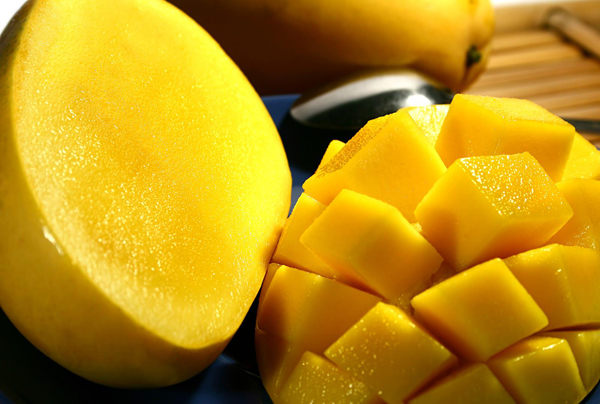
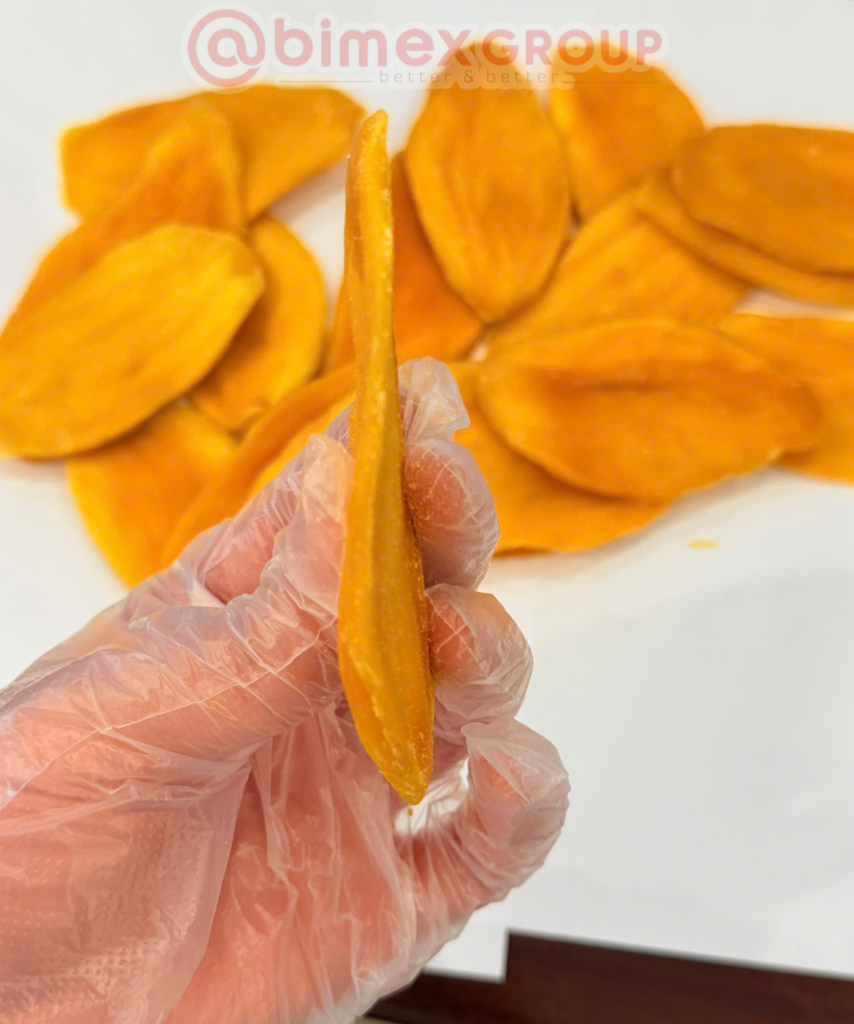
Soft dried mango is produced by removing a significant amount of water from fresh mango while retaining a relatively tender, chewy texture.
Unlike crispy mango chips, which are processed to achieve a crunchy texture, soft dried mango is designed to remain flexible and easy to chew. Depending on the product formulation and manufacturing process, it may contain only mango or additional ingredients such as sugar or other permitted food ingredients.
For this reason, consumers should always check the product’s ingredient list and nutrition information to understand exactly what they are purchasing.
Fresh mango naturally contains sugars. When mango is dried, much of its water is removed while the sugars remain.
This means that sugar is more concentrated in dried mango than in an equivalent weight of fresh mango.
For example, comparing 100 grams of fresh mango with 100 grams of dried mango is not an equal-volume comparison because the dried product contains much less water. A small serving of dried mango can therefore contain a considerable amount of naturally occurring sugar.
This does not mean dried mango is an unhealthy food. Instead, it highlights why portion size matters.
For consumers, the best approach is to view soft dried mango as a concentrated fruit snack rather than assuming that “fruit-based” automatically means low in sugar.
One important consideration when choosing soft dried mango is the difference between naturally occurring sugar and added sugar.
Mango naturally contains sugars such as fructose, glucose, and sucrose. These remain in the fruit after drying.
Some commercial dried mango products may also contain added sugar to increase sweetness. Therefore, consumers should read the ingredient list and nutrition label carefully.
A product made from mango without added sugar will still contain a meaningful amount of sugar because of the fruit itself.
For brands and manufacturers, transparent labeling can help consumers understand the product and make appropriate choices based on their dietary needs.
Although it is important to recognize its concentrated sugar content, soft dried mango also offers several practical advantages.
Fresh mango can be messy and requires preparation. Soft dried mango is ready to eat and can be stored conveniently in a sealed package.
Removing moisture helps extend the product’s shelf life compared with fresh mango, making it suitable for distribution and international trade.
Individual portions can easily fit into lunch bags, backpacks, office drawers, or travel luggage.
Soft dried mango retains the characteristic tropical flavor consumers love while offering a chewy texture that differs from fresh fruit.
Depending on the variety, processing method, and formulation, dried mango can provide nutrients naturally present in mango. However, processing can affect certain nutrients, and dried fruit should not automatically be considered nutritionally equivalent to fresh fruit.
The key to enjoying soft dried mango is portion awareness and dietary variety.
Instead of eating directly from a large package, consider putting a moderate serving into a small bowl or container. This makes it easier to control how much you eat.
Here are several practical ways to enjoy it:
Combining a small portion of soft dried mango with unsalted nuts can create a more varied snack containing fruit and fats and protein from the nuts.
Use soft dried mango as one component of a homemade trail mix alongside nuts, seeds, and other ingredients.
Small pieces of dried mango can add sweetness and texture to plain yogurt.
Chopped soft dried mango can be added to oatmeal, cereal, or granola for tropical flavor.
Because dried fruit is concentrated, a smaller portion can be more appropriate than eating a large quantity at once.
The goal is not to avoid dried mango but to incorporate it thoughtfully into an overall varied diet.
Soft dried mango is not only a retail snack. It is also a versatile ingredient for food manufacturers.
Its chewy texture and concentrated flavor make it suitable for:
For B2B buyers, consistent moisture, texture, color, and slice size are important quality characteristics.
Importers, distributors, and private-label brands should evaluate more than price when sourcing soft dried mango.
Important specifications may include:
Clear product specifications help buyers maintain consistency across different shipments and ensure that the finished product matches their target market.
The growing interest in premium dried fruit has created opportunities for retailers and food brands to launch their own soft dried mango products.
Private-label solutions can include:
For brands, this allows soft dried mango to be positioned according to their target audience, whether as a tropical snack, premium dried fruit, or convenient ingredient.
A dependable supplier should be able to provide consistent product quality and transparent specifications.
Before placing a bulk order, buyers can request samples and evaluate:
It is also important to discuss minimum order quantities, production capacity, certifications, shipping requirements, and labeling regulations for the destination market.
Soft dried mango can be a delicious and convenient way to enjoy the flavor of tropical fruit. At the same time, it is important to avoid presenting dried mango as a low-sugar or weight-loss food.
Because drying concentrates naturally occurring sugars, soft dried mango is best enjoyed in moderate portions as part of a varied and balanced diet.
For consumers, checking serving sizes, ingredient lists, and nutrition information is the most practical way to make informed choices. For food brands, honest communication about both the product’s strengths and its sugar content can build greater consumer trust.
Soft dried mango offers a convenient, flavorful, and versatile way to enjoy mango beyond its fresh form. Its soft texture, portability, long shelf life, and concentrated tropical flavor make it attractive to both consumers and food manufacturers.
However, its naturally high sugar concentration should be clearly understood. Dried mango is not simply a “healthy” or “low-sugar” snack, and portion size matters. When enjoyed in moderation and alongside a varied diet, it can be a satisfying option for consumers who appreciate the taste of tropical fruit.
For wholesalers, importers, and private-label brands, sourcing high-quality soft dried mango from a reliable manufacturer can provide an opportunity to develop transparent, appealing, and market-ready fruit snack products.