
CASHEW NUT SHELL OIL

Desiccated Coconut Samples provide buyers with an important opportunity to assess product quality before committing to a commercial shipment. For food manufacturers, importers and distributors, sample evaluation is not simply about checking whether the coconut looks white or tastes pleasant. It should be a structured process covering sensory quality, physical characteristics, laboratory results, production suitability, packaging and traceability.
A sample can help buyers understand the supplier’s target quality. However, one small package cannot automatically prove that every commercial lot will meet the same standard. Buyers must confirm how the sample was selected, which production lot it represents and whether the supplier can reproduce the approved quality consistently.
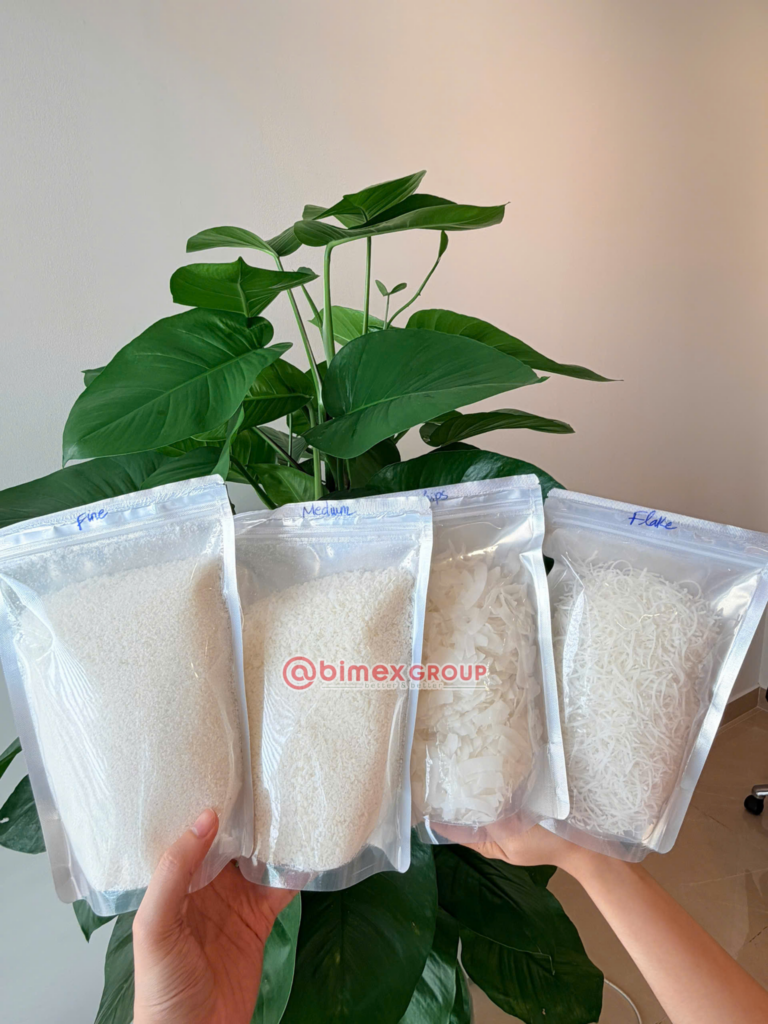
Bulk desiccated coconut is used in bakery products, confectionery, cereal, snack mixes, fillings, sauces and other processed foods. Differences in particle size, oil content, moisture or flavor may affect production efficiency and finished-product quality.
For example, coconut that is too coarse may not distribute evenly in a bakery mix. Excessively fine material may create more dust or change product texture. High moisture can encourage clumping, while undesirable odors may indicate poor storage conditions or early quality deterioration.
Evaluating Desiccated Coconut Samples carefully helps buyers identify these issues before confirming a large shipment. It also creates a clearer quality reference for communication between the buyer and supplier.
Before beginning the evaluation, request basic sample information from the supplier:
A reference sample may demonstrate the supplier’s intended quality, but it may not represent an entire commercial lot. For larger or higher-risk purchases, buyers can request a representative production sample or pre-shipment sample collected according to an agreed sampling procedure.
This distinction is important because a carefully selected sales sample may look excellent but may not reveal normal variation within commercial production.
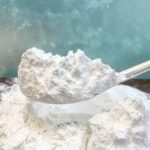
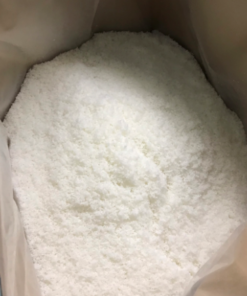
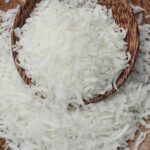
Desiccated coconut should generally have a natural white to creamy-white appearance appropriate to its agreed grade and specification. Buyers should inspect the sample under neutral lighting and look for:
Color should not be judged only according to personal preference. It should be evaluated against an approved specification, reference sample and the requirements of the intended application.
When comparing Desiccated Coconut Samples, use the same lighting and background. This reduces the risk of making an inaccurate comparison caused by different environmental conditions.
Fresh desiccated coconut should have a clean and characteristic coconut aroma. Warning signs may include stale, musty, fermented, smoky, chemical or rancid odors.
Flavor evaluation can also help identify deterioration that may not be visible. However, tasting should only be conducted after the sample has been properly handled and released by the buyer’s quality team as safe for sensory evaluation.
Buyers should record whether the flavor is:
Sensory evaluation is useful, but it cannot replace laboratory testing for food safety and chemical compliance.
Commercial descriptions such as Fine, Medium, Flakes and Chips are helpful, but their exact dimensions may vary among suppliers. One supplier’s Fine grade may not produce the same sieve distribution as another supplier’s Fine grade.
Therefore, buyers should request measurable particle-size information rather than relying only on the grade name. A sieve analysis can show the percentage of material retained on or passing through specified mesh sizes.
The particle distribution of Desiccated Coconut Samples should also be compared with the needs of the final application. Fine grade may work well in biscuit dough, coatings and fillings, while larger particles can provide a more visible coconut texture in confectionery, toppings or snack products.
A visual or manual inspection cannot determine the exact moisture percentage, but it can reveal possible warning signs. Check whether the sample is:
Some compaction can occur during transport, particularly when the product is packed tightly. However, persistent stickiness or hard clumping may indicate inappropriate moisture levels or unsuitable storage conditions.
Exact moisture content should be confirmed through an agreed test method and compared with the purchase specification.
Laboratory testing provides objective evidence that cannot be obtained through visual or sensory inspection alone. Depending on the product specification, destination market and intended use, relevant parameters may include:
Codex CXS 177-1991 can provide a useful international reference for desiccated coconut, but it should not be treated as the only requirement. The final acceptance criteria may also depend on the importing country, customer specification, manufacturing application and contractual agreement.
Test results for Desiccated Coconut Samples should be reviewed together with the supplier’s specification sheet and Certificate of Analysis.
A product specification describes the limits or target values the supplier intends to maintain across production. A Certificate of Analysis, or COA, reports the test results for a particular batch.
These documents serve different purposes and should not be treated as interchangeable.
A useful COA should normally identify:
Whenever possible, the lot number on the COA should match the lot represented by the sample. If the supplier provides only a typical or reference COA, the buyer should understand that it does not confirm the results of the actual commercial shipment.
A sample can pass laboratory and sensory checks but still perform differently in the buyer’s formulation. Application testing is therefore one of the most important stages of approval.
Use the coconut in a controlled pilot batch and evaluate:
Testing Desiccated Coconut Samples in the actual recipe helps buyers determine whether the material is technically suitable—not merely acceptable on paper.
Sample condition may be affected by how it was packed and transported. Check whether the package was clean, sealed and protected from moisture, odors, heat and contamination.
If the sample arrives damaged or poorly sealed, do not immediately assume the product left the factory in the same condition. Document the package with photographs and ask the supplier about dispatch and transport conditions.
Commercial packaging should be evaluated separately. Buyers should confirm the bag structure, net weight, inner liner, labeling, pallet requirements and container-loading method before ordering.
After approving Desiccated Coconut Samples, buyers should document the results and define which characteristics are essential for future deliveries. These may include particle distribution, oil content, moisture, sensory profile, color and microbiological limits.
Where agreed in the buyer–supplier quality arrangement, both parties may retain sealed reference samples. A retained sample can support future comparison if a quality difference or commercial dispute occurs.
However, the approved reference should be used together with measurable specifications. Sensory appearance alone is not sufficient to define contractual conformity.
Before confirming the purchase, make sure both parties agree on:
Clear written agreements help prevent situations in which the buyer and supplier evaluate the same product according to different expectations.
Properly evaluating Desiccated Coconut Samples can reduce purchasing risk, improve production consistency and support clearer quality communication throughout the supply chain.
Abimex Group supplies desiccated coconut for food manufacturers, importers and distributors, with options including Fine, Medium, Flakes and Chips grades as well as different fat levels. Our team can provide product specifications, samples and commercial information based on your sourcing requirements.
Contact Abimex Group to discuss your required grade, particle size, fat content, packaging and destination market before placing your next bulk order.