CASHEW NUT SHELL OIL

CASHEW NUT SHELL OIL
RICE PROTEIN POWDER
RICE PROTEIN POWDER
DESICCATED COCONUT
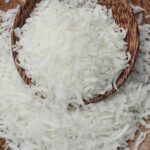
Desiccated coconut in the Middle East market has become an increasingly important topic for food manufacturers, distributors, and importers seeking high-quality coconut ingredients. As consumer demand for healthier, plant-based, and convenient food products continues to rise across the Gulf Cooperation Council (GCC) countries and neighboring regions, desiccated coconut is gaining popularity in various food applications, from bakery products to confectionery and dairy alternatives.
The Middle East is emerging as one of the most promising destinations for coconut-based ingredients, creating attractive opportunities for global suppliers and exporters.
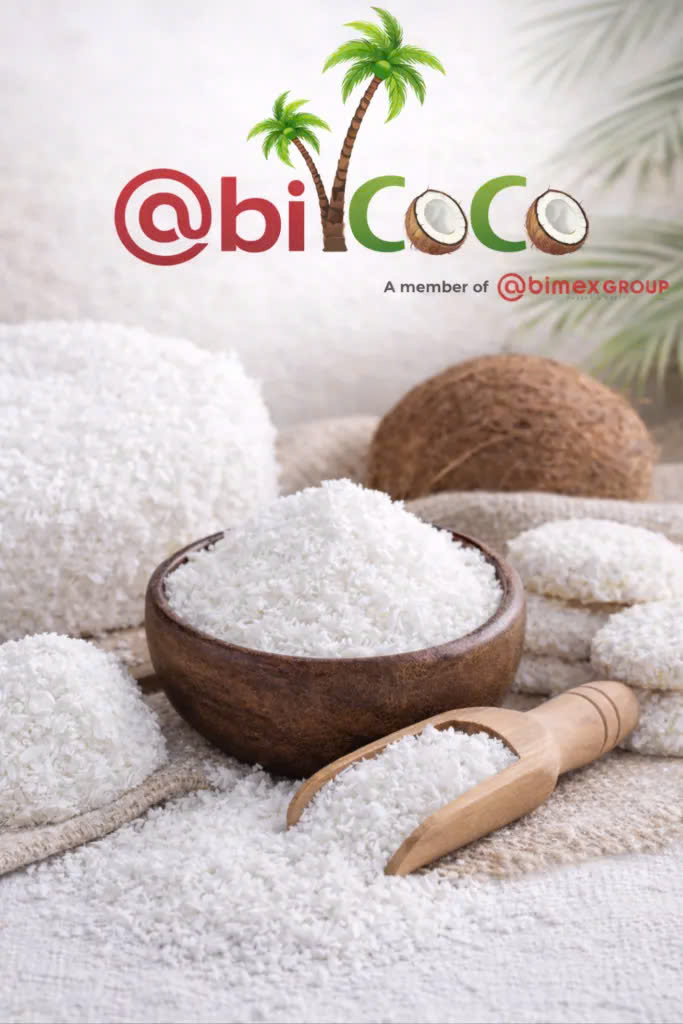
Table of Contents
ToggleThe demand for desiccated coconut in the Middle East market is driven by several key factors.
First, consumers are becoming more health-conscious and are actively looking for natural ingredients with nutritional benefits. Desiccated coconut contains dietary fiber, healthy fats, and essential minerals, making it a preferred ingredient in many food formulations.
Second, the region’s expanding bakery and confectionery industries continue to increase their usage of coconut ingredients. Cakes, pastries, biscuits, chocolate products, energy bars, and traditional Middle Eastern desserts often incorporate desiccated coconut to enhance texture and flavor.
Additionally, the growth of international food chains, modern retail channels, and premium food products has accelerated demand for imported food ingredients, including desiccated coconut.
Understanding consumer preferences is essential for suppliers targeting desiccated coconut in the Middle East market.
Middle Eastern buyers generally prioritize quality and consistency. Food manufacturers prefer desiccated coconut with:
Consistency between batches is particularly important for industrial food production.
Halal certification is a critical requirement in most Middle Eastern countries. Importers and food manufacturers often prioritize suppliers that can provide internationally recognized Halal certifications.
Products certified under HACCP, ISO 22000, FSSC 22000, Kosher, and Halal standards are generally more competitive in this market.
Consumers are increasingly choosing foods perceived as natural and minimally processed. This trend supports the growing use of desiccated coconut in:
As wellness trends continue to influence purchasing behavior, demand is expected to remain strong in the coming years.
The import volume of desiccated coconut in the Middle East market has shown steady growth over the past decade.
The United Arab Emirates serves as one of the largest import and redistribution centers in the region. Many food ingredients imported into Dubai are subsequently distributed to neighboring countries such as:
This makes the UAE an important entry point for international coconut suppliers.
Saudi Arabia has experienced rapid growth in food manufacturing due to population expansion, economic diversification, and government initiatives under Vision 2030.
The country’s bakery, confectionery, and food processing sectors continue to increase imports of coconut-based ingredients, creating significant opportunities for exporters.
Beyond the GCC countries, markets such as Jordan, Iraq, Egypt, and Lebanon are gradually increasing imports of food ingredients to support local food production.
As disposable incomes improve and consumer preferences evolve, these countries represent emerging opportunities for suppliers seeking long-term growth.
Several industries are fueling demand for desiccated coconut in the Middle East market.
Desiccated coconut is widely used in:
Its unique texture and flavor make it a valuable ingredient for bakery manufacturers.
Chocolate manufacturers and confectionery producers use desiccated coconut in products such as:
The region’s strong demand for premium confectionery products supports continued growth in this segment.
Hotels, restaurants, and catering businesses increasingly incorporate coconut ingredients into desserts and international cuisine offerings.
The rapid expansion of tourism and hospitality across the GCC further contributes to demand.
The outlook for desiccated coconut in the Middle East market remains highly positive.
Many importers and retailers are launching private-label food products. Suppliers capable of providing customized packaging and private-label solutions can gain a competitive advantage.
Food manufacturers are looking beyond traditional desiccated coconut products. Opportunities exist for:
Offering a diversified product portfolio can help suppliers serve multiple customer segments.
Middle Eastern buyers highly value reliability and supply security. Suppliers that can maintain consistent quality, competitive pricing, and dependable logistics often establish long-term business relationships.
This creates favorable conditions for exporters with strong manufacturing capabilities and international certifications.
While opportunities are significant, suppliers entering desiccated coconut in the Middle East market should also be aware of potential challenges:
Companies that proactively address these factors will be better positioned for sustainable growth.
Desiccated coconut in the Middle East market continues to demonstrate strong growth potential driven by expanding food manufacturing, rising health awareness, and increasing demand for premium food ingredients. Markets such as the UAE, Saudi Arabia, Qatar, and Kuwait remain attractive destinations for exporters seeking new opportunities.
With the right product quality, certifications, and long-term commitment to customer satisfaction, suppliers can successfully capture a larger share of this rapidly growing market.
Abimex Group is a trusted Vietnamese manufacturer and exporter of premium coconut products.
Contact Abimex Group today to discover reliable coconut ingredient solutions for your business in the Middle East and beyond.