
CASHEW NUT SHELL OIL

Dried mango vs fresh mango is more than a comparison between the same fruit in two forms. Drying changes the mango’s moisture level, concentration of sugars and acids, aroma profile, color, structure, and mouthfeel. As a result, dried mango can taste sweeter, feel chewier, and deliver a more concentrated fruit experience than fresh mango.
For consumers, these differences are easy to notice. For food manufacturers, snack brands, distributors, and private-label buyers, understanding why these changes happen can also help when selecting mango products for different applications.
The science behind the difference starts with one simple process: removing water.
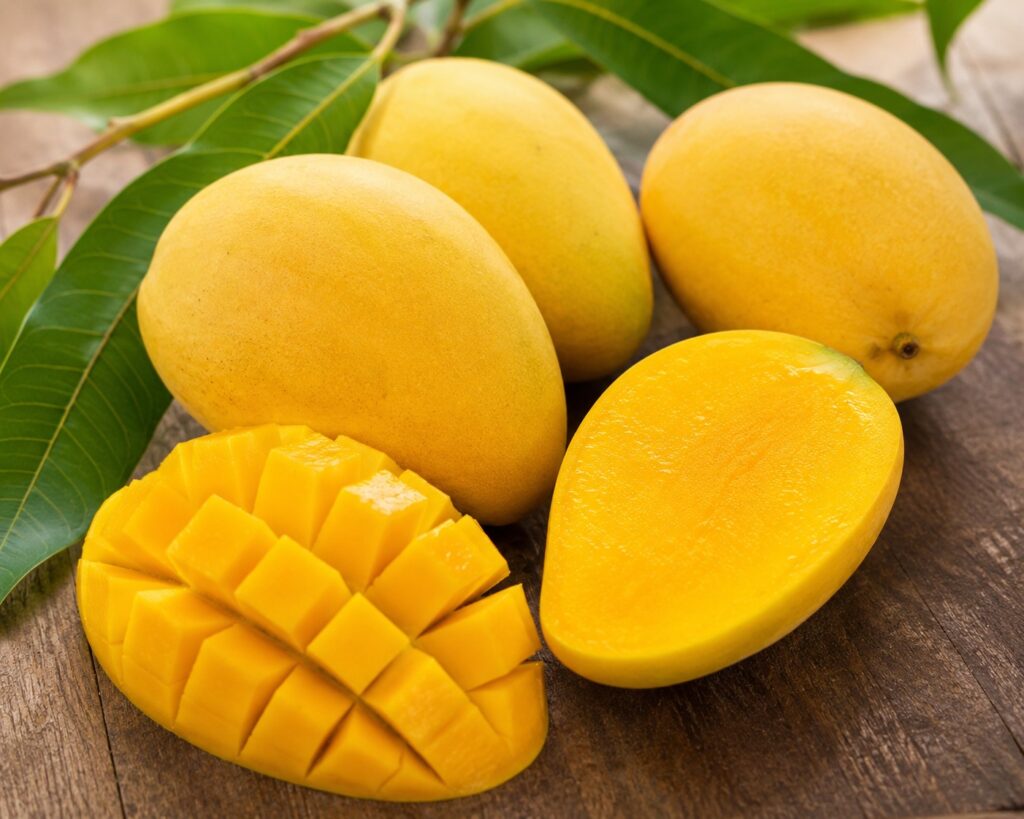
Fresh mango contains a high proportion of water. That water contributes to the juicy texture, light mouthfeel, and refreshing character of the fruit.
During drying, a significant portion of this moisture is removed. As water leaves the fruit, the remaining sugars, organic acids, fiber, pigments, and flavor compounds become more concentrated relative to the product’s weight.
At the same time, heat, airflow, oxygen exposure, drying duration, and fruit maturity can influence the chemistry and physical structure of the mango.
This is why drying does not simply create a “smaller fresh mango.” It produces a food with a different sensory profile.
One of the most obvious differences is sweetness.
When water is removed from mango, naturally occurring sugars become more concentrated in each bite. The amount of sugar originally present in the fruit does not necessarily increase simply because of drying, but there is less water to dilute the sweetness.
This concentration effect is one reason dried mango vs fresh mango can taste noticeably different even when no additional sugar is used.
However, not all dried mango products have the same formulation.
Some commercial products may contain added sugar, fruit juice concentrates, or other ingredients, while others may rely primarily on the mango’s naturally occurring sugars. Buyers should therefore review the ingredient declaration before comparing sweetness between products.
Mango variety and maturity also matter. A riper mango generally begins with a different sugar and acid balance from a less mature fruit, which can influence the final dried product.
Fresh mango has a complex aroma created by many volatile compounds. These compounds contribute fruity, floral, tropical, citrus-like, and sometimes resinous notes depending on the mango variety.
During drying, some volatile aroma compounds may be reduced or transformed because of heat and prolonged exposure to air.
At the same time, moisture removal concentrates other flavor components.
This creates an interesting effect: dried mango can taste more intensely “mango-like” in some ways while losing some of the fresh, juicy aroma associated with newly cut fruit.
When comparing dried mango vs fresh mango, the difference is therefore not simply stronger versus weaker flavor. The flavor profile itself can shift.
Drying temperature and duration can also influence the outcome. Gentler drying conditions may preserve certain aroma characteristics differently from more intense processing.
For manufacturers, this means the drying method is one factor that can influence the finished product’s sensory profile.
Mango contains both sugars and organic acids.
In fresh fruit, water helps balance these components. Once water is removed, both sweetness and acidity may become more concentrated.
The final perception depends on the mango variety and maturity.
A naturally sweet variety may produce a rich, candy-like dried fruit character, while a variety with more noticeable acidity may retain a brighter or tangier taste after drying.
This balance between sugar and acid is important because sweetness perception is not determined by sugar alone.
Two dried mango products with similar sugar levels can still taste different if their acidity, aroma, moisture, and texture are different.
Texture is probably the biggest physical difference between the two forms.
Fresh mango has a juicy, tender structure because its cells contain a large amount of water.
As drying progresses, water leaves the cells and tissues. The fruit becomes smaller, denser, and more flexible or chewy.
The exact texture depends on several factors:
This is why dried mango vs fresh mango delivers such a different mouthfeel.
Soft dried mango is typically designed to retain enough moisture to remain tender and chewy, while more heavily dried products may become firmer.
For B2B buyers, texture specifications can therefore be just as important as sweetness or color.
Mango naturally contains dietary fiber.
When water is removed, the fruit becomes denser, so the fibrous structure can feel more noticeable during chewing.
Different mango varieties may also vary in fiber characteristics.
Some varieties produce a smoother eating experience, while others can feel more fibrous.
Slice direction and thickness can further influence how the fibers are perceived.
This is one reason dried mango from different origins or varieties may deliver different textures even when processed using similar drying systems.
Fresh mango can range from pale yellow to deep golden-orange depending on variety and maturity.
During drying, color can change because of several processes, including pigment concentration, oxidation, heat exposure, and natural browning reactions.
Carotenoid pigments contribute much of the yellow and orange color associated with mango. Their appearance may change depending on the processing environment.
This is another reason dried mango vs fresh mango should not be judged based on color alone.
A darker dried mango is not automatically lower quality, and a very bright product is not automatically superior.
Buyers should consider color together with flavor, aroma, texture, ingredients, moisture, and product consistency.
The flavor difference does not end when drying is complete.
After production, oxygen, temperature, light, packaging, and storage duration can continue to influence aroma.
Packaging with appropriate barrier properties can help reduce unnecessary exposure to environmental conditions.
For B2B buyers, packaging is therefore part of the sensory-quality discussion.
A well-produced dried mango can still change over time if the packaging or storage conditions are not suitable for the product.
Not every dried mango is dried to the same level.
Soft dried mango typically retains more moisture than very dry or crispy fruit products.
Higher retained moisture can create:
Lower moisture may create a firmer or more concentrated experience.
When evaluating dried mango vs fresh mango, moisture is therefore one of the most important reasons the two products feel so different.
For manufacturers, the preferred moisture level depends on the desired product format and target consumer.
It is important not to assume that every dried mango product will taste the same.
Commercial products can differ in:
All of these factors can influence sweetness, flavor, color, and texture.
For this reason, buyers comparing suppliers should review both samples and technical specifications.
A product may look similar in a photograph but deliver a different eating experience in actual use.
Understanding dried mango vs fresh mango is useful for more than consumer education.
Food businesses can use these sensory differences to decide where dried mango fits best within their portfolio.
Soft dried mango may work as a standalone snack, while smaller pieces can be considered for granola, trail mixes, bakery applications, confectionery, or other product concepts.
For private-label brands, decisions around softness, sweetness, piece size, color, and packaging can help create a specific product identity.
Before ordering, buyers may want to evaluate:
This provides a more complete picture than simply asking whether the product is “sweet” or “soft.”
The difference between dried mango vs fresh mango comes from a combination of physical and chemical changes.
Moisture removal concentrates sugars and acids, alters the fruit’s structure, changes aroma perception, and creates a denser, chewier texture. Mango variety, maturity, processing conditions, formulation, and storage can further influence the final result.
That is why dried mango has its own sensory identity rather than simply tasting like fresh mango with less water.
Abimex Group supports international B2B buyers sourcing soft dried mango and other processed fruit products for retail, wholesale, foodservice, private-label, snack, and ingredient applications.
If your business is comparing dried mango vs fresh mango for a new product concept or evaluating dried mango specifications, Abimex Group can support discussions around piece size, texture, packaging requirements, sourcing needs, and export coordination.
Contact Abimex Group to discuss the dried mango specifications and supply options that best fit your target market and product application.