
CASHEW NUT SHELL OIL

Desiccated Coconut Custom Packaging is becoming an essential solution for importers, distributors, food manufacturers, and retail brands looking to protect product quality while strengthening their market presence.
In today’s competitive food industry, packaging is no longer just a protective layer. It helps preserve freshness, improve logistics efficiency, enhance shelf appeal, and meet destination-market requirements. For B2B buyers, selecting the right packaging format can reduce product loss, simplify warehouse handling, and reinforce brand identity.
Vietnam has become one of the leading sourcing destinations for desiccated coconut, with many manufacturers offering bulk packaging, retail-ready formats, OEM services, and private label solutions for international buyers. This guide explores the key considerations when choosing Desiccated Coconut Custom Packaging for global markets.
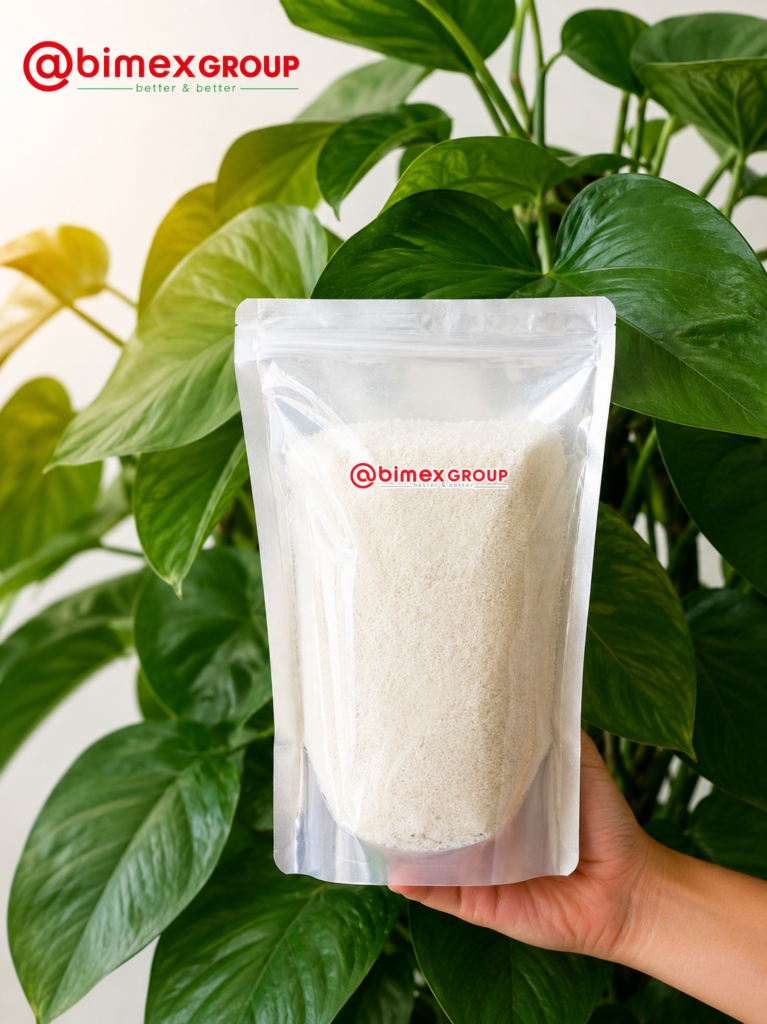
Packaging plays a vital role in maintaining the quality of desiccated coconut throughout storage, transportation, and distribution. Because desiccated coconut is sensitive to moisture, oxygen, and external odors, selecting the appropriate packaging material is essential to preserve its texture, aroma, and shelf life.
High-quality packaging helps:
For B2B buyers, effective packaging is not only about protecting the product—it also supports operational efficiency and strengthens brand value.
Reliable manufacturers typically provide multiple packaging solutions to suit different business models and distribution channels.
Bulk packaging is widely used by:
Typical industrial packaging includes kraft paper bags with PE liners, woven PP bags with food-grade inner liners, or export cartons containing sealed PE bags. These packaging solutions help protect the product from moisture while ensuring safe storage and international transportation.
Bulk packaging offers several advantages, including lower packaging costs, easier handling, and improved production efficiency for industrial users.
Retail-ready packaging is ideal for supermarkets, grocery chains, specialty food stores, and e-commerce businesses.
Common retail packaging options include:
Retail pack sizes typically range from 100 g to 1 kg, depending on the target market. The ideal packaging should align with consumer preferences, distribution channels, and branding strategy.
Hotels, restaurants, catering companies, and commercial kitchens often require packaging that is larger than retail packs but easier to handle than industrial bulk bags.
Food-service packaging offers greater convenience for inventory management while maintaining product freshness during regular use.
Many international buyers prefer marketing desiccated coconut under their own brands rather than purchasing generic products.
Leading Vietnamese exporters often provide OEM and private label services that may include:
OEM and private label packaging enable businesses to establish brand recognition while reducing the complexity of product development.
Packaging material directly affects product quality and shelf life.
Depending on customer requirements, manufacturers may offer:
The ideal packaging material depends on:
When evaluating Desiccated Coconut Custom Packaging, buyers should request information about packaging materials, barrier properties, and food-contact compliance before approving production.
Export packaging often needs to comply with local regulations in the destination country.
Depending on market requirements, labels may include:
Working closely with an experienced exporter can help ensure that labeling complies with destination-market regulations before shipment.
Customized packaging generally requires a higher Minimum Order Quantity (MOQ) than standard packaging because of printing setup and material production.
MOQ may vary depending on:
Lead time for customized packaging is also typically longer than standard orders.
For first-time projects, buyers are encouraged to approve packaging mock-ups or production samples before mass production begins. This helps ensure that artwork, colors, and labeling meet expectations while minimizing costly revisions.
Packaging has a direct impact on shipping efficiency and overall logistics costs.
Well-designed packaging can:
Before placing an order, buyers should confirm carton dimensions, loading capacity, pallet configuration, and container quantities to better estimate total landed costs.
Efficient packaging design can also reduce freight expenses by maximizing available container space.
Sustainability is becoming increasingly important in global food markets.
Where suitable, manufacturers may offer:
However, sustainability should always be balanced with product protection. Effective moisture and oxygen barriers remain essential for maintaining product quality throughout storage and transportation.
Before confirming a customized packaging project, buyers should discuss:
Clear communication before production helps minimize delays and ensures that packaging meets both commercial and regulatory requirements.
When sourcing customized packaging, buyers should avoid:
Avoiding these mistakes can reduce costs, improve product quality, and support smoother international shipments.
Desiccated Coconut Custom Packaging is more than a packaging solution—it is a strategic investment that helps protect product quality, strengthen brand identity, improve logistics, and enhance customer satisfaction.
The right packaging should match your business model, target market, distribution channel, and operational requirements. By working with an experienced supplier and discussing packaging specifications early in the sourcing process, buyers can reduce risks and build a more efficient supply chain.
Looking for a trusted Vietnamese supplier that can support your Desiccated Coconut Custom Packaging project?
Abimex Group supplies premium Vietnamese desiccated coconut to importers, distributors, food manufacturers, and retail brands worldwide. We provide flexible bulk and retail packaging solutions, OEM and private label services, customized product specifications, and professional export support tailored to your market requirements.
Our experienced team works closely with customers to develop packaging solutions that align with their branding, logistics, and business goals.
Contact Abimex Group today to request product specifications, packaging options, samples, or a customized quotation for your next desiccated coconut sourcing project.