
CASHEW NUT SHELL OIL

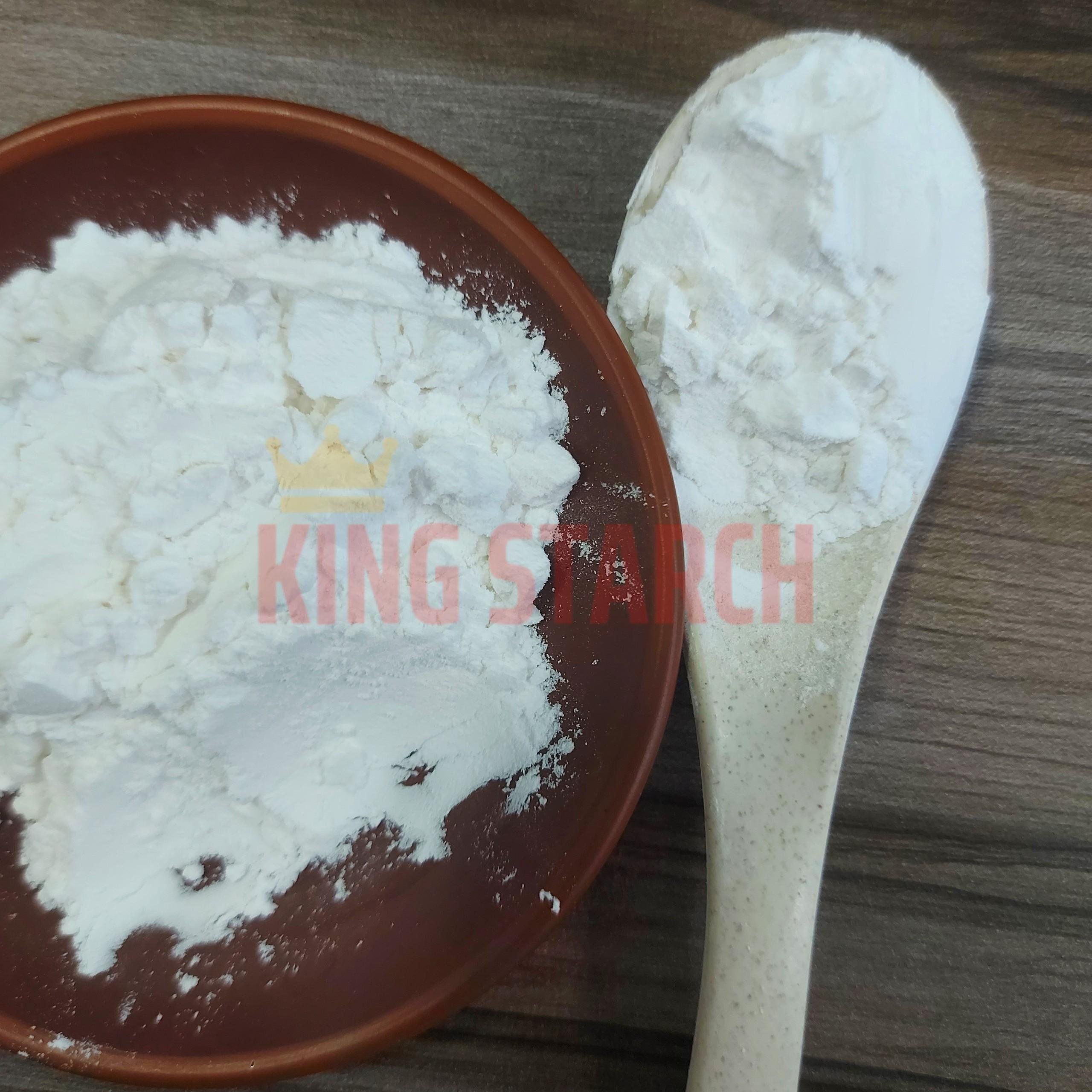
Tapioca starch for chewy bakes is widely used when food developers want a texture that feels elastic, soft, springy, or pleasantly chewy.
It is commonly associated with products such as:
What makes tapioca starch especially interesting is the way its starch granules react to water and heat.
During cooking or baking, tapioca starch can absorb water, swell, and gelatinize. This transformation helps create a cohesive structure that can contribute to the stretchy and chewy texture consumers often associate with these products.
However, tapioca starch does not work alone.
The final result also depends on ingredients such as flour, eggs, cheese, sugar, fat, water, and other starches, as well as mixing, heating, and baking conditions.
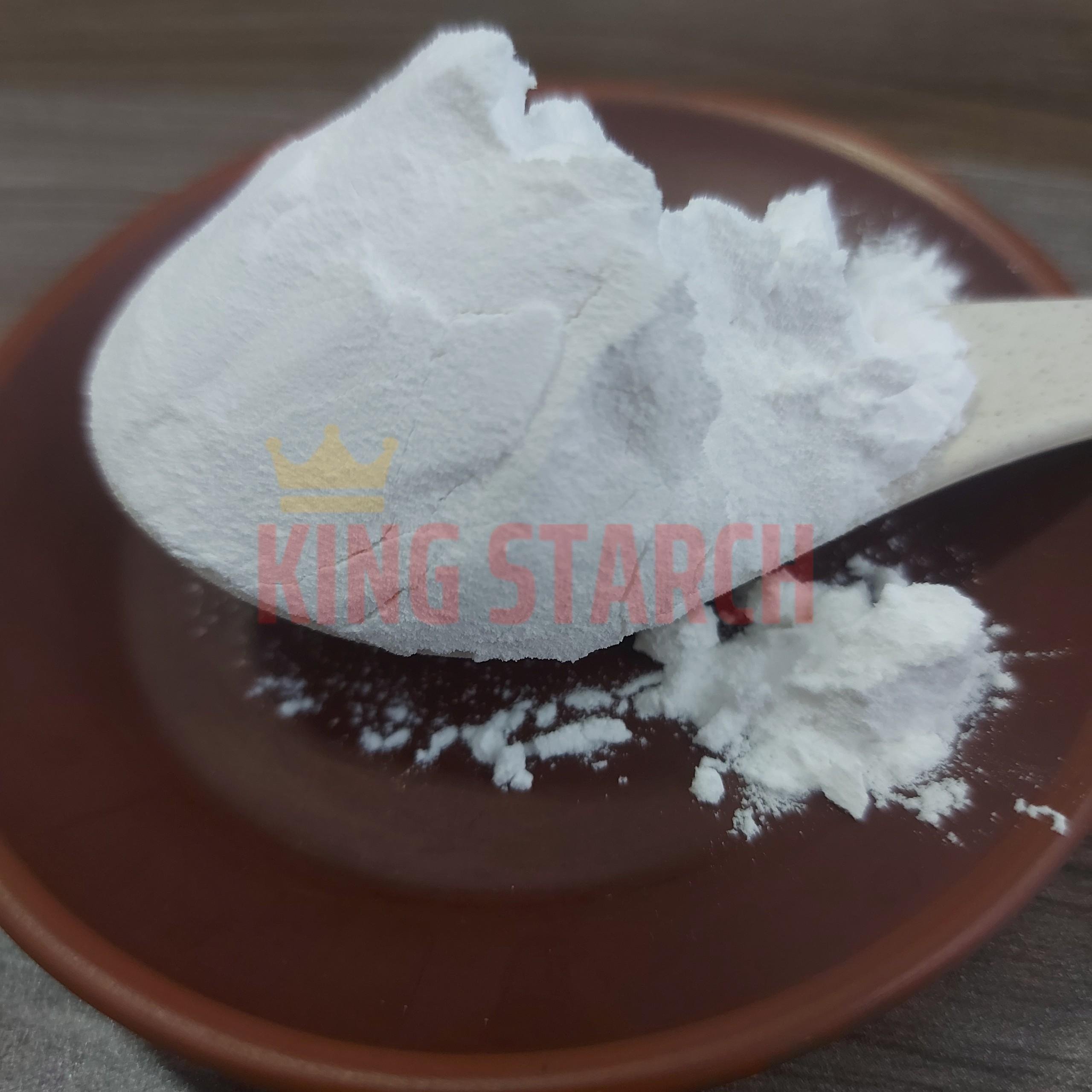
Tapioca starch is extracted from cassava roots.
In food applications, it is valued for characteristics such as:
These characteristics make it useful in products where the goal is not simply to create structure, but to create a structure that remains flexible rather than dry or brittle.
That is one reason tapioca starch for chewy bakes is frequently explored in recipes where elasticity matters.
The main texture transformation begins when starch is heated in the presence of water.
As temperature rises, starch granules absorb water and swell.
Eventually, the organized structure inside the starch granules begins to change.
This process is commonly known as gelatinization.
Once gelatinized, the starch can create a thicker, more cohesive matrix.
In baked or cooked products, this contributes to:
The exact texture depends on the total formulation and process.
The stretchy character associated with tapioca starch comes from the way its starch components form a flexible gel network after hydration and heating.
Unlike some starches that can produce a firmer or more brittle gel, tapioca starch is often associated with a softer and more elastic texture.
This can help create a product that:
These properties are especially noticeable in products where starch is a major structural ingredient.
Mochi-style products are known for their distinctive chewy and elastic bite.
Traditional mochi is commonly associated with glutinous rice-based ingredients, but tapioca starch can also be used in mochi-inspired products or blended formulations to support chewiness and elasticity.
In these applications, tapioca starch may contribute to:
However, it should not be assumed that tapioca starch can replace glutinous rice flour in every mochi recipe.
The two ingredients have different functional properties.
Product developers should test the formulation depending on the desired texture, process, and product style.
Pão de queijo, the well-known Brazilian cheese bread, is another classic application where tapioca-derived starch plays an important role.
The characteristic texture often combines:
When hydrated and heated, tapioca starch helps form the internal structure that supports this distinctive texture.
Cheese, fat, eggs, water, and processing conditions also contribute significantly.
The starch therefore works as part of a complete formulation rather than as the only texture-forming ingredient.
In cheese-bread applications, starch gelatinization combines with:
This creates a complex internal structure.
Tapioca starch can help bind these components and support a flexible crumb.
The result may feel more elastic and chewy than a conventional wheat-based bread.
However, different formulations can produce very different results.
A higher or lower level of hydration, for example, may affect:
This is why application trials are essential.
Chewy cookies are another area where tapioca starch may be used.
In a cookie system, tapioca starch can influence:
Depending on the formula, it may help create a softer and less crumbly center.
However, cookies rely on many other variables, including:
For this reason, tapioca starch should be evaluated as one texture tool rather than a guaranteed solution.
Tapioca starch is also widely used in gluten-free formulations.
Without gluten, baked products may lack the elastic network normally created by wheat proteins.
Starches and hydrocolloids are therefore often used together to help create structure.
Tapioca starch can contribute:
It is often combined with other flours or starches rather than used alone.
Common formulation systems may include rice flour, corn starch, potato starch, or other functional ingredients.
The best combination depends on the product.
Each starch has its own functional characteristics.
For example, one starch may provide:
while another may provide:
A blended starch system can help product developers balance:
This is why tapioca starch does not necessarily replace every other starch.
In many cases, it works best as part of a broader ingredient system.
Food manufacturers may also choose between native and modified tapioca starch.
Native starch may be suitable for applications where:
Modified starch may be considered when more processing stability is required.
Depending on the grade, modified starch may offer improved resistance to:
However, modified starch should be selected according to the specific application and processing conditions.
Not every modified grade performs the same way.
Water is essential to starch gelatinization.
Without enough available water, starch cannot fully hydrate.
Too little water may result in:
Too much water may create a product that is:
The correct water balance depends on the full formula.
This is why ingredient ratios should be confirmed through testing rather than relying on a universal recipe.
Heat triggers the transformation of starch.
If the heating process is insufficient, the desired structure may not develop fully.
If heating is excessive, other parts of the product may change before the preferred texture is achieved.
Manufacturers therefore need to consider:
depending on the application.
Starch-based foods can continue to change after cooking.
As a product cools, starch molecules reorganize.
This may affect:
The texture immediately after baking may therefore differ from the texture after cooling or storage.
For commercial products, evaluation should be performed at the actual intended consumption stage.
Tapioca starch is also known for creating a relatively smooth texture when properly processed.
This can be useful in chewy bakery products where a gritty or coarse texture is undesirable.
A smooth starch matrix can help create:
This is particularly relevant in filled or soft-centered products.
In some formulations, tapioca starch can also support expansion.
During heating, water turns into steam while the starch structure develops.
This can help create internal air spaces.
In products such as cheese bread, the interaction between:
can contribute to expansion and an open internal structure.
Again, the final result depends on processing conditions.
One appealing texture combination in baked snacks is:
crisp exterior + chewy interior.
Tapioca starch can contribute to this contrast because the outer surface may lose more moisture during baking while the interior retains a more hydrated starch structure.
This effect can be useful in products such as:
The degree of contrast depends on baking conditions and formulation.
For industrial applications, starch consistency is important.
Manufacturers need predictable performance from batch to batch.
Useful quality factors may include:
Exact specifications should always be confirmed with the supplier’s technical documentation and COA.
A specification sheet cannot predict every bakery result.
The same tapioca starch may perform differently depending on:
This is why pilot trials are recommended.
Product developers can evaluate:
before commercial production.
Not automatically.
Wheat flour contains proteins that can form gluten, while tapioca starch is primarily a starch ingredient.
Their functions are different.
In some gluten-free products, tapioca starch may be part of a flour-replacement system.
However, it usually needs to be combined with other ingredients to create the desired structure.
Therefore, manufacturers should not assume that wheat flour can simply be replaced one-for-one with tapioca starch.
The same principle applies to mochi-style products.
Tapioca starch and glutinous rice flour can both contribute to chewy textures, but they do not behave identically.
Differences may appear in:
The choice depends on the product concept.
Some formulations may use one ingredient, while others may blend them.
Tapioca starch can also be explored in:
Its value lies in its ability to support texture rather than being limited to one specific recipe.
When sourcing tapioca starch for chewy bakes, buyers should discuss:
This helps the supplier understand the application and recommend a more suitable option.
One common mistake is assuming that tapioca starch alone determines chewiness.
The final texture is created by an interaction between:
Another mistake is changing the starch level without adjusting the rest of the formula.
Because starch affects water binding, one change may influence multiple texture characteristics.
Pilot testing should therefore evaluate the whole formula.
Tapioca starch for chewy bakes is valued because it can support a distinctive combination of:
During heating, the starch absorbs water and gelatinizes, helping form a flexible structure.
This makes it useful in products such as:
However, tapioca starch should not be viewed as a universal replacement for wheat flour, glutinous rice flour, or every other starch.
Its performance depends on the entire formulation and processing system.
For food manufacturers, the best approach is to:
Select the appropriate starch → Test it in the actual formulation → Evaluate texture after processing and storage → Adjust the complete recipe as needed.
Abimex Group supplies Vietnamese native and modified tapioca starch for international food manufacturers, ingredient distributors, bakeries, and industrial buyers.
Different grades can be discussed according to application and processing requirements.
Buyers can contact us for:
Contact Abimex Group to discuss tapioca starch for mochi-style products, pão de queijo, chewy bakes, and other food applications.