
CASHEW NUT SHELL OIL

Knowing how to store tapioca starch correctly is essential for importers, distributors, food manufacturers, and ingredient warehouses that want to maintain product quality before production.
Tapioca starch is a dry powdered ingredient, but that does not mean it is unaffected by the storage environment.
During warehousing, the product can be influenced by:
Improper storage can contribute to problems such as caking, reduced flowability, moisture pickup, odor absorption, damaged bags, and inconsistent handling during production.
For B2B buyers, proper warehouse management is therefore an important part of ingredient quality control.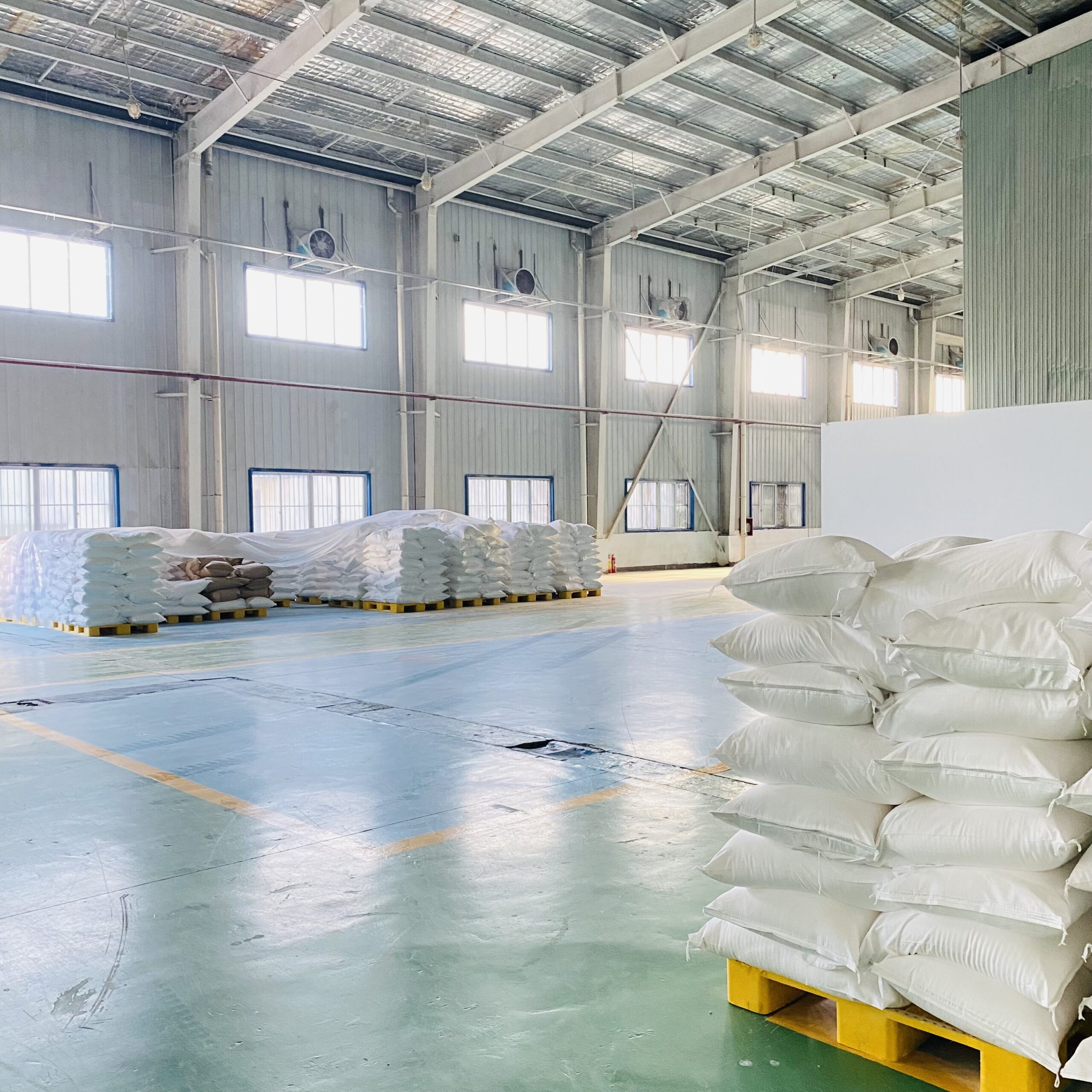
Tapioca starch is generally supplied as a fine, dry powder.
Its physical characteristics make it relatively easy to handle under suitable warehouse conditions, but the product can react to moisture in the environment.
If storage conditions are poor, powder may begin to:
Packaging damage can also expose starch directly to warehouse air, water, dust, or odors.
Understanding how to store tapioca starch helps reduce these risks.
Moisture is one of the most important factors in starch storage.
Tapioca starch can absorb moisture from the surrounding environment, especially if:
Moisture pickup can change how the powder behaves.
Possible effects include:
For this reason, tapioca starch should be stored in a clean, dry warehouse protected from water and excessive humidity.
One of the simplest warehouse practices is also one of the most important.
Tapioca starch bags should normally be placed on suitable pallets rather than directly on the floor.
Palletized storage helps:
The pallets themselves should also be clean, dry, and in good condition.
Wet or contaminated pallets can create new risks instead of providing protection.
Warehouse walls can sometimes develop:
Bags stored too close to walls may be more exposed to these conditions.
A reasonable space between stored products and warehouse walls can support:
Starch should also be kept away from:
If water exposure occurs, affected bags should be inspected before use.
Caking occurs when powder particles stick together and form lumps or hardened sections.
Several conditions can contribute to this.
These include:
Moisture is often one of the main factors to control.
A dry warehouse and intact packaging help maintain the normal powder condition.
However, not every lump means the product is unusable.
The cause, severity, and product condition should be evaluated according to quality procedures.
A humid warehouse can increase moisture-related risks.
Even when bags appear closed, prolonged exposure to high humidity may affect packaging materials or the product if the package barrier is compromised.
Warehouse operators should therefore monitor general storage conditions.
Important considerations include:
In tropical climates, humidity management can be particularly important.
The goal is not to create an artificially dry environment at all times, but to avoid conditions that encourage moisture exposure.
The original packaging is one of the product’s main protections during storage.
Bags should remain sealed until the starch is required for production.
Opening bags early can increase exposure to:
If part of an opened bag must be retained, the remaining product should be properly resealed according to the facility’s food-safety and material-handling procedures.
Good storage begins at receiving.
Warehouse staff should inspect incoming bags before putting them into stock.
Look for:
Damaged bags should be separated and evaluated according to the company’s quality-control procedure.
This prevents a damaged package from being mixed unnoticed with normal stock.
Another important point when learning how to store tapioca starch is odor protection.
Starch should not be stored near materials with strong smells.
Examples may include:
Even when packaging provides protection, unnecessary exposure to strong warehouse odors should be avoided.
For food-grade starch, a dedicated or appropriately controlled ingredient-storage area is preferable.
Food ingredients and industrial chemicals should be properly segregated.
Tapioca starch should not be stored next to:
This is important not only for odor control but also for food-safety management.
Warehouse zoning can help reduce the risk of cross-contamination.
A clean warehouse supports ingredient protection.
Good housekeeping helps reduce risks from:
Regular cleaning and inspection should form part of warehouse management.
However, cleaning activities themselves should not expose starch bags to water.
If floors are washed, stored ingredients should remain protected from splashing or residual moisture.
Tapioca starch is a food ingredient and should be stored under suitable pest-control conditions.
Warehouse management should include appropriate monitoring for:
Pest-control practices should follow the site’s food-safety program.
Damaged or contaminated bags should not be released for production without proper evaluation.
Stable warehouse conditions are generally preferable to large and frequent temperature changes.
Temperature variation can contribute to condensation in some storage situations.
This may occur when warm, humid air meets cooler surfaces.
The exact risk depends on:
For this reason, tapioca starch should be kept away from extreme heat and locations where condensation is likely.
Tapioca starch bags should not be left in direct sunlight for extended periods.
Storage near strong heat sources should also be avoided.
Examples include:
These conditions can affect packaging and increase temperature differences during storage.
A shaded indoor warehouse is normally preferable.
Incorrect stacking can damage bags.
Possible problems include:
Warehouse teams should follow appropriate stacking practices based on:
Avoid creating unstable stacks simply to maximize warehouse space.
Forklift damage is a common warehouse risk for bagged ingredients.
Forks can:
Operators should be trained to handle pallets carefully.
After moving a pallet, any visible damage should be reported and inspected.
Loading and unloading areas are sometimes exposed to rain or outdoor humidity.
Tapioca starch should not remain in these areas longer than necessary.
During receiving or dispatch:
Even a short period of direct water exposure can create problems if bags become wet.
Warehouses should maintain clear inventory rotation.
Depending on company procedures, buyers may use:
The appropriate system depends on the product documentation and internal quality program.
Batch identification should always remain visible.
This makes it easier to trace:
Different lots may have different:
Warehouse staff should maintain clear traceability.
When pallets are moved or repacked, lot identification should not be lost.
This is especially important for food manufacturers using ingredient traceability systems.
General storage recommendations should not replace the Certificate of Analysis (COA) or supplier documentation for a specific lot.
A COA may contain important batch-related information such as:
Other technical documentation may include storage or shelf-life guidance.
Buyers should always refer to the actual documents supplied for the relevant shipment.
General articles can explain how to store tapioca starch, but they cannot determine the exact usable period of every shipment.
Shelf life may depend on:
Therefore, buyers should not use a general blog article as the basis for assigning a shelf-life period.
The applicable information should come from the product specification, COA, label, or supplier documentation for the relevant product and lot.
Both native and modified tapioca starch are dry powdered ingredients that need appropriate warehouse protection.
However, specific product requirements can vary.
The general principles remain similar:
If a specific modified starch grade has additional storage instructions, those instructions should take priority.
A wet bag should not simply be placed back into normal stock.
The affected material should be:
If there is uncertainty about product condition, the manufacturer or supplier should be consulted.
Do not assume that drying the outside of the bag restores the original product condition.
If starch is found to contain lumps or caked sections, determine the cause before use.
Questions to investigate include:
Minor powder compaction and moisture-related caking are not necessarily the same issue.
Quality staff should make the final decision based on the product condition and applicable specifications.
Before releasing starch into food production, operators can include sensory inspection as part of receiving or usage procedures.
Unexpected odors may indicate:
A food ingredient should not develop foreign odors during normal storage.
Any unusual result should be investigated.
For practical warehouse management, buyers can follow a simple checklist:
These basic controls can help maintain product condition from receiving until production.
Storage is sometimes treated as a logistics issue rather than a product-quality issue.
In reality, the two are connected.
A starch manufacturer may supply material that meets specification at the time of shipment.
If the product is later exposed to:
its condition may change before it reaches production.
Importers and distributors therefore share responsibility for maintaining suitable storage conditions after receiving the product.
Understanding how to store tapioca starch helps warehouses reduce common problems such as:
The main principles are straightforward:
Keep the starch dry, sealed, clean, protected from odors, and properly palletized.
Warehouse teams should also maintain:
Most importantly, general storage recommendations should not replace lot-specific documentation.
For exact product parameters and applicable shelf-life information, buyers should always refer to the relevant COA, product specification, label, and supplier documentation.
Good warehouse management helps protect the quality that was originally delivered.
Abimex Group supplies Vietnamese native and modified tapioca starch for international food manufacturers, ingredient distributors, importers, and industrial buyers.
Different grades can be discussed according to the intended application and processing requirements.
Buyers can contact us for:
Contact Abimex Group to discuss the suitable tapioca starch grade for your application and sourcing program.