CASHEW NUT SHELL OIL

CASHEW NUT SHELL OIL
RICE PROTEIN POWDER
RICE PROTEIN POWDER
DESICCATED COCONUT
Jackfruit chips crunchiness is one of the first qualities consumers notice when opening a snack pack. A crisp texture can make the product feel fresh and enjoyable, while a softer or less crunchy bite may change the overall eating experience.
However, crunchiness is not determined by processing alone. After production, factors such as moisture exposure, packaging performance, storage conditions, transportation, and repeated opening can all influence texture over time.
For importers, distributors, snack brands, and private-label buyers, understanding these factors can help when evaluating product quality and choosing suitable packaging for different markets.
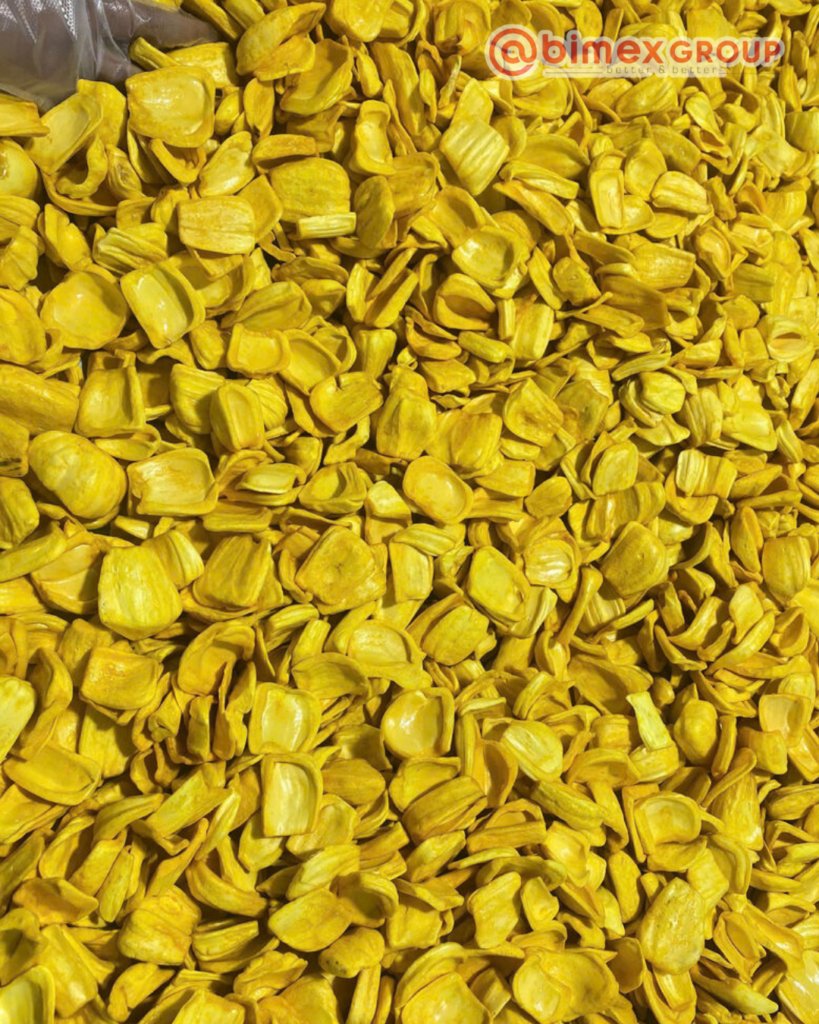
Table of Contents
ToggleJackfruit chips become crisp as moisture is reduced during processing. The final texture depends on several factors, including the condition of the raw jackfruit, slice thickness, processing parameters, oil management where applicable, and the target moisture level of the finished product.
Even when two batches are produced using similar methods, natural differences in raw fruit can contribute to slight variations in texture.
This means jackfruit chips crunchiness should be evaluated as part of the overall product specification rather than only by visual appearance.
For B2B buyers, it can be useful to consider texture together with color, aroma, taste, piece size, packaging, and storage recommendations.
Moisture is one of the most important factors affecting crispy snack products.
Jackfruit chips can gradually absorb moisture from the surrounding environment if they are exposed to humid air. As moisture enters the product, the structure may become less crisp and the chips may feel softer or more chewy.
This is particularly relevant in humid climates or when packages are left open for extended periods.
For this reason, maintaining jackfruit chips crunchiness often depends on limiting unnecessary exposure to environmental moisture after processing.
The exact degree of change will depend on the product, packaging system, and storage environment. Buyers should therefore avoid assuming that every jackfruit chip product will behave exactly the same way.
Packaging plays an important role in protecting jackfruit chips after production.
A suitable packaging structure can help reduce moisture transfer between the product and the external environment. Depending on the application, manufacturers may consider factors such as moisture barrier properties, sealing performance, package thickness, and pack format.
Poorly sealed packaging may allow more air and humidity to enter, which can affect texture over time.
For retail brands, packaging must often balance several objectives at once:
When evaluating jackfruit chips crunchiness, B2B buyers should look beyond the chip itself and consider whether the packaging format is suitable for the intended distribution channel.
Storage environment can also affect texture.
High humidity may increase the chance of moisture absorption, while exposure to heat can influence overall product quality and accelerate other changes in the snack.
Storage conditions may vary significantly between warehouses, retail stores, distribution centers, and consumer homes.
For this reason, manufacturers generally provide storage recommendations based on the product and packaging system.
Buyers should follow verified supplier guidance rather than applying a single storage rule to every jackfruit chip product.
Consistent storage conditions can help protect jackfruit chips crunchiness as well as other sensory characteristics such as flavor, aroma, and appearance.
Once a pack is opened, the chips are exposed directly to the surrounding air.
Every time the package is opened, new air and environmental moisture may enter. If the product is stored for repeated use, this exposure can gradually influence texture.
Resealable packaging may help reduce unnecessary exposure between uses, depending on the packaging design and how it is handled.
Pack size also matters.
A small retail pack may be consumed quickly, while a large foodservice or bulk pack may remain open for a longer period. For larger packs, buyers may need to pay closer attention to how the product will be stored and handled after opening.
Jackfruit chips are also sensitive to physical handling.
While moisture mainly affects crispness, transportation and compression can influence the appearance and piece size of the product.
Repeated movement during shipping, carton stacking, warehouse handling, and final distribution may create broken pieces.
A product can still remain crisp even if some pieces are broken, but excessive breakage may affect retail presentation and consumer perception.
This is why B2B buyers should evaluate both texture and physical integrity when reviewing samples.
Packaging design, carton configuration, fill level, and handling conditions can all contribute to the condition of the product when it reaches the destination market.
The texture of jackfruit chips begins long before packaging.
Slice thickness, frying or drying conditions, processing time, oil temperature where applicable, and moisture reduction can all influence the final bite.
Thicker pieces may deliver a different texture from thinner slices. Processing conditions can also affect how evenly moisture is removed from each piece.
For commercial production, consistency is important because buyers often expect similar texture from one batch to another.
However, jackfruit is an agricultural product, so some natural variation may occur.
This is why quality control should consider multiple factors rather than relying on a single visual or sensory characteristic.
For snack brands and distributors, texture is part of the consumer experience.
A product positioned as a crispy tropical snack needs to deliver a texture that matches customer expectations. If the product becomes noticeably softer during storage or distribution, it may affect repeat purchases and brand perception.
B2B buyers may therefore want to discuss several points with suppliers before placing an order:
These discussions are especially important for private-label projects, where the buyer may be responsible for final packaging design and market positioning.
Understanding jackfruit chips crunchiness can also help buyers select packaging formats that better match their distribution conditions and customer usage patterns.
The same product may be distributed across very different environments.
A snack sold in a dry climate may face different storage conditions from the same product distributed in a tropical or high-humidity market.
This does not necessarily mean the product formulation needs to change, but packaging and storage requirements may need closer consideration.
For exporters, understanding the destination market can therefore be useful when discussing packaging with customers.
Buyers should also consider the entire supply chain—from factory storage and container transportation to local warehousing and retail display.
Before purchasing jackfruit chips in bulk, buyers should request information that is relevant to their intended application.
Product samples can help evaluate:
Technical specifications and packaging information can provide additional context.
Rather than asking only whether the chips are “crispy,” buyers can ask how the supplier manages moisture, packaging, storage, and quality consistency.
A clearer specification makes it easier for both parties to understand expectations before commercial orders begin.
There is no single factor that determines snack texture.
Raw material quality, processing, moisture control, packaging, storage, logistics, and after-opening handling all work together.
For businesses sourcing tropical snacks, understanding jackfruit chips crunchiness can support better product evaluation and more informed packaging decisions.
The goal is not simply to choose the crispiest sample on the day of testing, but to consider how the product is expected to perform throughout its supply chain and intended use.
Abimex Group supports international B2B buyers looking for jackfruit chips and other processed fruit products for retail, wholesale, foodservice, private-label, and distribution applications.
From product specifications and packaging requirements to sourcing discussions and export coordination, Abimex Group works with customers to identify options suited to different business needs and target markets.
If your business is evaluating jackfruit chips crunchiness, packaging options, product specifications, or sourcing requirements, contact Abimex Group to discuss the solution that best fits your market.