CASHEW NUT SHELL OIL

CASHEW NUT SHELL OIL
RICE PROTEIN POWDER
RICE PROTEIN POWDER
DESICCATED COCONUT
Soft Dried Mango Packaging Options can significantly influence product protection, operating costs, market positioning, and supply-chain efficiency. Importers may choose bulk cartons for local processing, retail-ready packs for direct distribution, or private-label packaging for building their own brands.
The right choice depends on more than appearance or price. Buyers should also evaluate order volume, product specifications, packaging materials, destination-market labeling rules, storage conditions, sales channels, and expected launch timelines.
Understanding the differences between bulk, retail-ready, and private-label formats helps buyers select packaging that fits their business model without creating avoidable costs or delays.
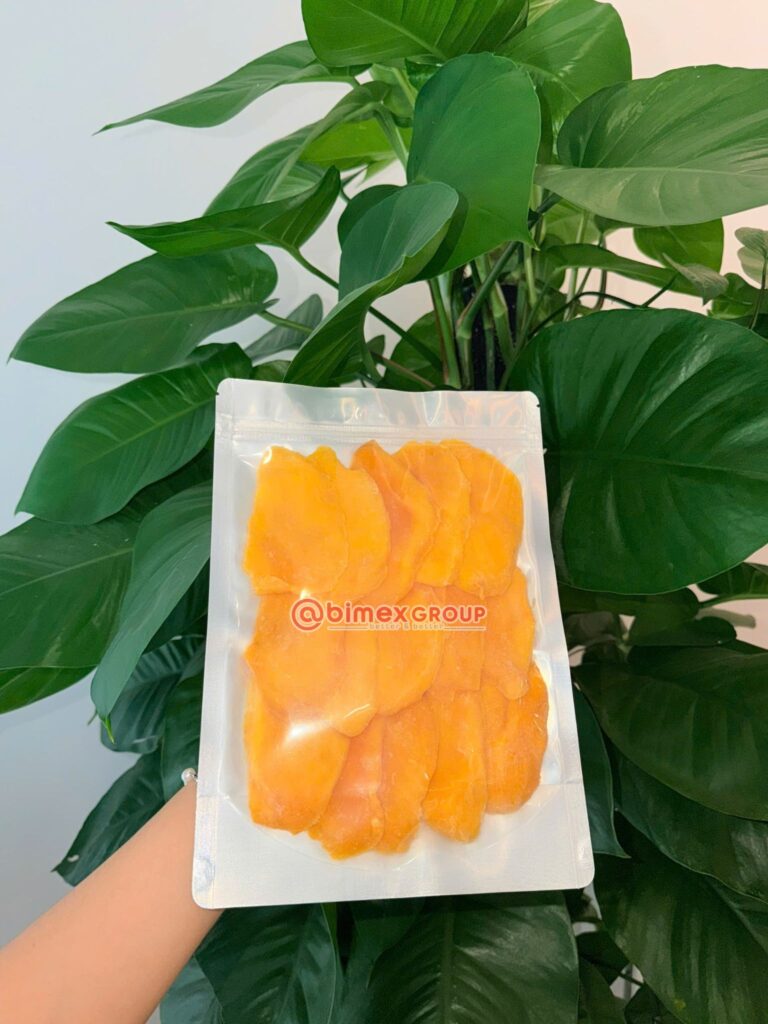
Table of Contents
ToggleThe three main formats serve different commercial purposes:
Comparing Soft Dried Mango Packaging Options should therefore begin with the intended use of the product. A manufacturer buying mango as an ingredient has different requirements from a retailer launching a consumer snack brand.
Packaging should support the product, distribution model, and commercial plan—not simply look attractive in a quotation.
Bulk packaging is generally suitable for buyers who will process, portion, mix, or repack the mango after arrival. The product is commonly packed in food-contact inner bags and protective outer cartons, although the exact structure and net weight should be agreed upon with the supplier.
Within Soft Dried Mango Packaging Options, bulk formats often offer several practical advantages:
Bulk packaging may suit bakery manufacturers, snack-mix producers, food-service distributors, ingredient traders, and brands that already operate local packing facilities.
However, buyers should not assume that the lowest packaging cost automatically creates the lowest total cost. Local repacking requires suitable equipment, labor, food-safety controls, packaging materials, labels, and quality-management procedures.
Once the original bulk package is opened, the importer becomes responsible for protecting the mango from moisture, contamination, temperature changes, and improper handling. Buyers should therefore evaluate their local capabilities before selecting this format.
Important points to confirm include:
Retail-ready packaging refers to products packed in consumer-sized units that can be prepared for distribution without local repacking. Depending on the commercial arrangement, the packages may use an existing supplier design, a neutral design, or another pre-agreed format.
When reviewing Soft Dried Mango Packaging Options, retail-ready packs may be useful for distributors seeking a faster route to market. They can reduce local packing work and simplify handling for supermarkets, convenience stores, online sellers, and specialty-food retailers.
Possible formats may include:
The suitability of each format depends on the required net weight, sales channel, shelf presentation, distribution conditions, and packaging performance.
Buyers should confirm whether the package provides suitable protection against moisture, oxygen, physical damage, and seal failure. A visually attractive pouch is not enough if it cannot protect the product throughout storage and transportation.
Retail-ready does not necessarily mean fully compliant for every destination. The importer must still verify applicable requirements for product names, ingredients, allergens, nutritional information, net weight, country of origin, date coding, importer details, language, recycling information, and other mandatory statements.
These requirements vary by market, so artwork should be reviewed by the responsible buyer or regulatory specialist before printing.
Private-label packaging allows importers, distributors, and retailers to sell soft dried mango under their own brands. It gives buyers greater control over brand positioning, visual identity, pack size, product claims, and communication with consumers.
Among Soft Dried Mango Packaging Options, private label usually requires the most detailed preparation. The supplier and buyer must coordinate the product, packaging structure, artwork, labels, printing, carton markings, and approval process.
Buyers should prepare or confirm:
A common hidden issue is the minimum order quantity for custom-printed packaging. Packaging manufacturers may require a substantial number of bags per design or SKU. This quantity can be much higher than the buyer’s initial product order.
As a result, a brand launching several flavors, sizes, or designs may face significant upfront packaging costs. Buyers should confirm the printing MOQ, cylinder or plate charges, artwork fees, lead time, unused-bag storage, and ownership of remaining packaging before approving the project.
For smaller trials, a plain stock pouch with an approved label may sometimes be considered, subject to the supplier’s capabilities and the destination market’s requirements. However, labels must remain secure, readable, accurate, and suitable for the expected storage conditions.
Soft dried mango has a flexible texture and can be affected by moisture exchange, oxygen exposure, temperature, pressure, and poor sealing. Packaging must therefore protect both product quality and physical appearance.
The appropriate barrier depends on factors such as:
No packaging format should be selected solely on appearance. Buyers should request information about the material structure, sealing method, recommended storage conditions, and compatibility with the product.
A strong outer carton is also important. Pouches may be punctured, compressed, or deformed if cartons are weak or overloaded. Palletization and cargo arrangement should therefore be reviewed for export shipments.
The right Soft Dried Mango Packaging Options should be assessed based on total landed and operating cost rather than the unit price of the pouch alone.
Bulk packaging may reduce factory packing complexity but create local repacking costs. Retail-ready packaging may simplify distribution but require higher packing expenses. Private-label packaging supports brand development but may involve artwork approval, printing minimums, longer lead times, and unused packaging inventory.
Buyers should compare:
A low price per pouch may be misleading if the buyer must purchase tens of thousands of bags that cannot be used quickly. Similarly, bulk packaging may not be economical if local packing operations are expensive or unavailable.
Before approving commercial packaging, buyers should evaluate both the mango and the finished pack.
Useful checks include:
A product sample packed in a temporary bag does not fully demonstrate the performance of the final commercial package. Where possible, buyers should review a finished packaging sample or production mock-up before mass production.
All approved details should be documented. Verbal agreements may create misunderstandings about materials, dimensions, colors, labels, or carton configurations.
Selecting Soft Dried Mango Packaging Options requires a clear understanding of how the product will be sold and handled.
Bulk packaging may be appropriate when:
Retail-ready packaging may be suitable when:
Private-label packaging may be preferred when:
There is no universally superior format. The best commercial decision depends on volume, market strategy, operational capacity, regulatory responsibilities, and risk tolerance.
The packaging format chosen for soft dried mango affects much more than presentation. It influences product protection, investment, lead time, inventory, logistics, regulatory preparation, and customer experience.
Buyers should confirm product specifications, pack size, packaging materials, printing MOQ, artwork responsibility, labeling requirements, carton configuration, storage conditions, and sample-approval procedures before placing an order.
Abimex Group supplies Vietnamese soft dried mango for importers, distributors, food manufacturers, and private-label businesses. Our team can discuss your required product type, cut size, packaging format, specifications, and destination-market needs.
Contact Abimex Group to request product information, packaging discussions, quotations, or samples for your soft dried mango sourcing project.