
CASHEW NUT SHELL OIL

How to import desiccated coconut is one of the first questions many new buyers ask when entering the international food ingredients market. Vietnam has become a competitive sourcing destination for desiccated coconut thanks to its coconut-growing regions, experienced manufacturers, flexible packaging options, and export capabilities.
For first-time importers, the process may seem overwhelming. From choosing a trustworthy supplier to understanding shipping terms, documentation, customs clearance, and product inspection, every step plays an important role in ensuring a successful purchase.
This guide explains how to import desiccated coconut from Vietnam, helping buyers reduce sourcing risks, improve purchasing efficiency, and build reliable long-term supplier relationships.
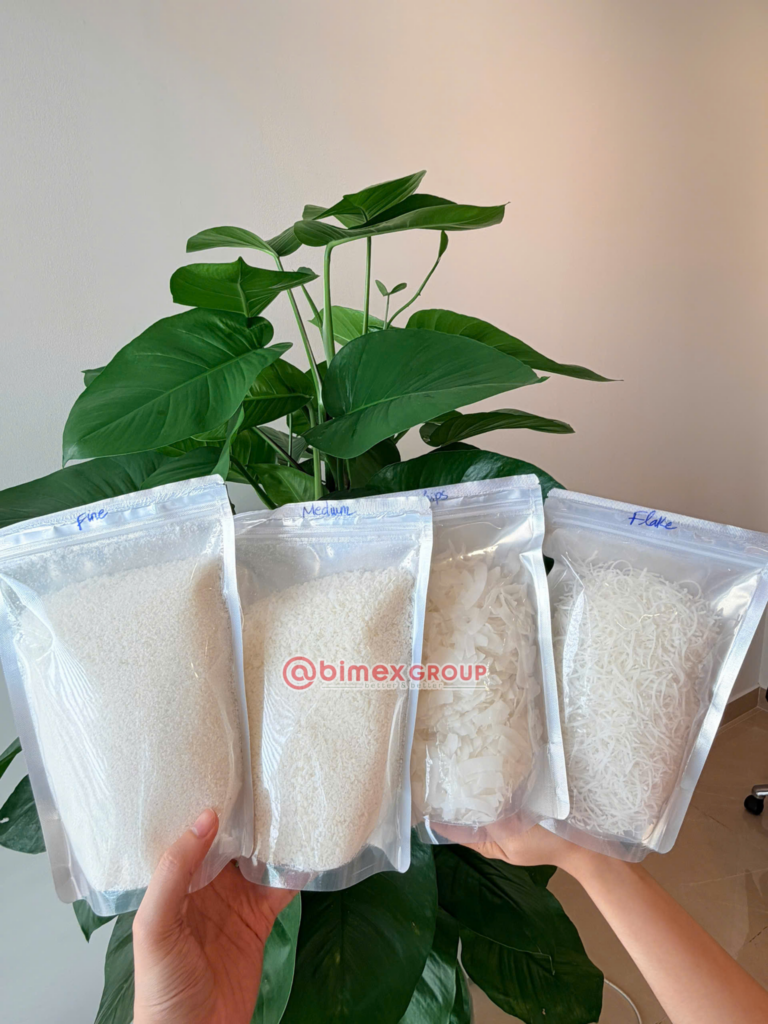
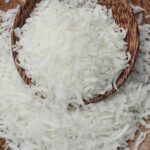
Vietnam is known for its tropical agricultural products, including coconuts. Many Vietnamese suppliers offer desiccated coconut in different grades such as fine, medium, coarse, flakes, chips, and thread.
For international buyers, Vietnam offers several advantages:
Understanding how to import desiccated coconut from Vietnam can help buyers make better sourcing decisions from the beginning.
Before contacting suppliers, buyers should clearly identify the product specifications they need.
Key specifications include:
Clear specifications help suppliers provide accurate quotations and suitable samples.
Choosing the right supplier is one of the most important steps in how to import desiccated coconut successfully.
A reliable supplier should be able to provide:
Buyers should avoid choosing suppliers based only on the lowest price. Product consistency, food safety, and export experience are equally important.
Before placing a bulk order, buyers should always request samples.
When checking samples, focus on:
Sample approval helps buyers confirm that the product matches their market requirements before mass production.
The next step in how to import desiccated coconut is confirming commercial terms with the supplier.
Important details include:
First-time buyers should make sure all terms are clearly confirmed in writing before proceeding with an order.
Export documentation may vary depending on the destination market.
Common documents may include:
Understanding documentation is a key part of how to import desiccated coconut without unnecessary delays at customs.
Desiccated coconut is usually shipped by sea for bulk orders. Air freight may be used for samples or urgent small shipments.
Buyers should work with an experienced freight forwarder or customs broker to manage:
Good logistics planning helps reduce unexpected costs and shipment delays.
Once the shipment arrives, buyers should inspect the goods carefully.
Check:
If any issue occurs, buyers should contact the supplier immediately with photos and inspection details.
When learning how to import desiccated coconut, first-time buyers should avoid these common mistakes:
Careful preparation helps buyers reduce risk and build a smoother import process.
Learning how to import desiccated coconut is not complicated when buyers follow a clear step-by-step process. By defining specifications, choosing a reliable supplier, checking samples, confirming commercial terms, preparing documents, and arranging proper logistics, first-time buyers can import with more confidence.
Vietnam remains a strong sourcing destination for desiccated coconut thanks to its manufacturing experience, flexible packaging options, and export-oriented suppliers.
If you are looking for a trusted Vietnamese supplier, Abimex Group is ready to support your sourcing needs.
We supply premium Vietnamese desiccated coconut in multiple cuts, including fine, medium, flakes, chips, and customized grades. We also offer OEM and private label support, flexible packaging, export documentation, and professional customer service.
Contact Abimex Group today to request product specifications, samples, and a customized quotation for your next desiccated coconut order.