
CASHEW NUT SHELL OIL

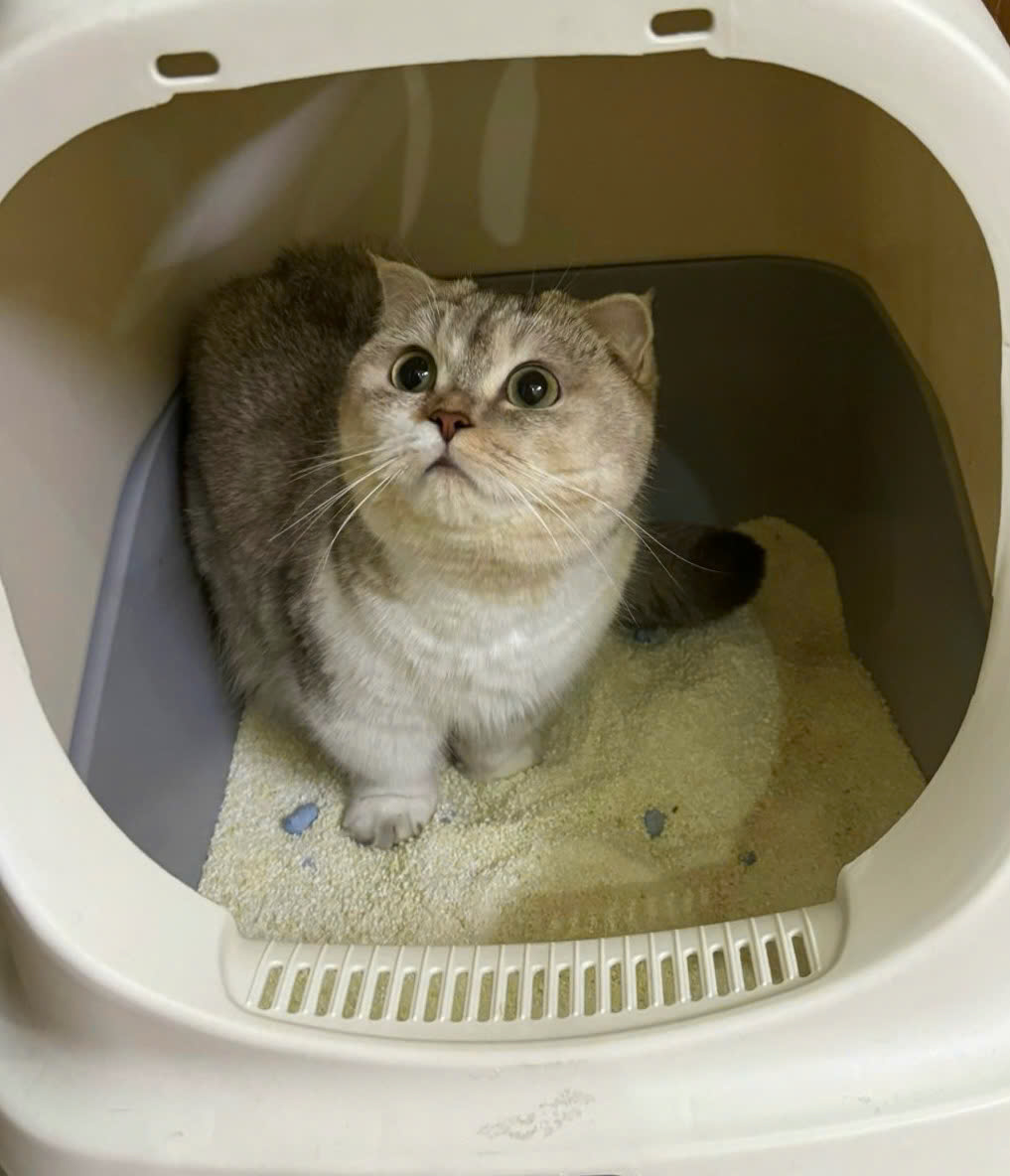
How deep should you fill the litter box when using tapioca cat litter?
It sounds like a simple question, but the best answer depends on several factors.
The amount of litter in the box can be influenced by:
Because tapioca cat litter products can differ in density, particle size, and clumping behavior, there is no single universal depth that should automatically be used for every brand.
The safest starting point is always the usage guidance printed on the product packaging.
From there, owners can observe how the litter performs and adjust the level gradually.
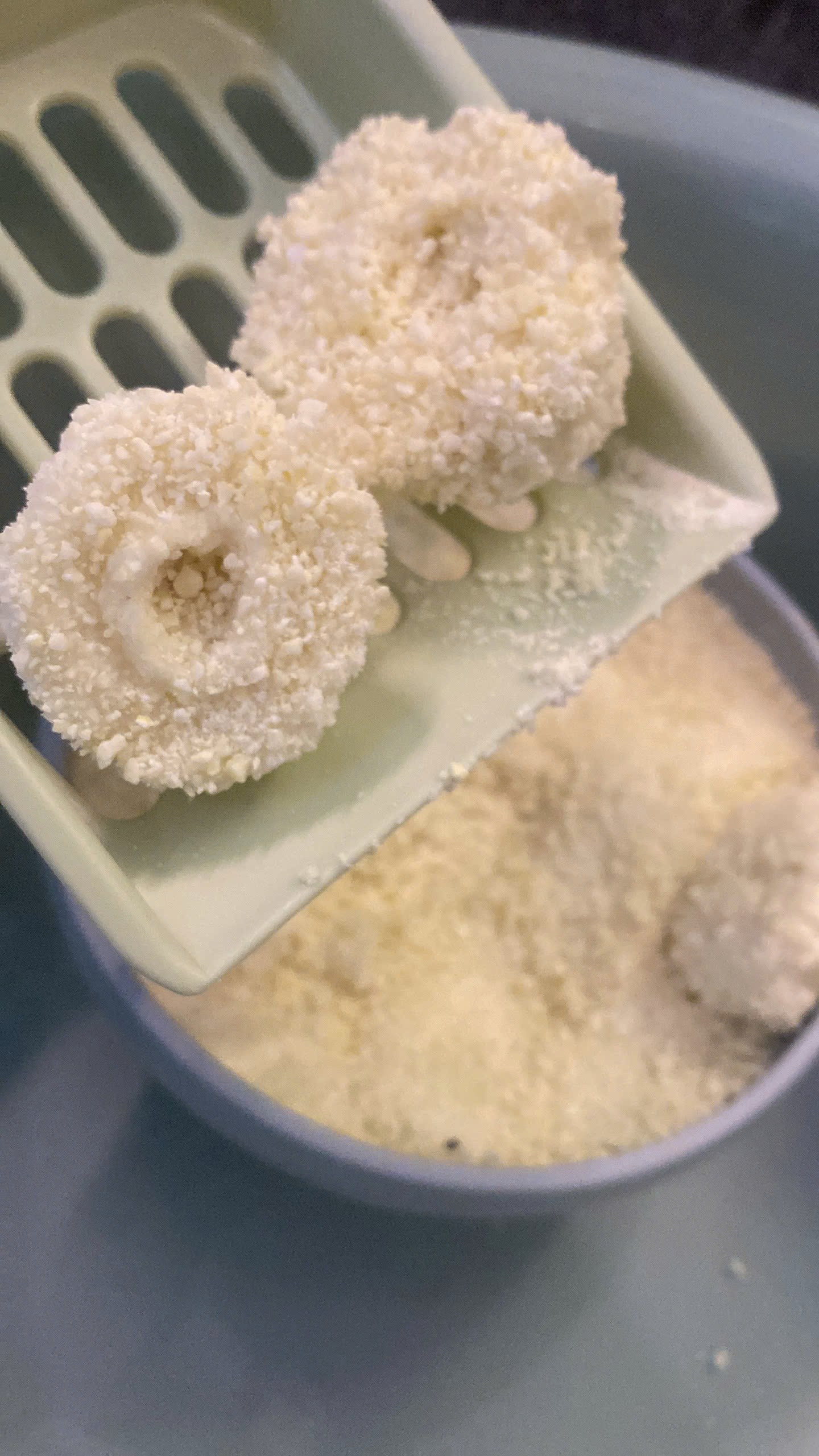
The depth of litter in the box can influence everyday use.
If there is too little litter, there may not be enough material to surround moisture effectively.
This can make it more difficult to:
If there is far more litter than needed, the box may become heavier, more expensive to refill, and harder to manage.
The goal is not to fill the box as deeply as possible.
Instead, the aim is to maintain a practical layer that supports the normal performance of the specific product.
When customers ask how deep should you fill the litter box, the first recommendation should be simple:
Check the product label.
Manufacturers formulate litter differently.
One tapioca litter may use:
Because of this, pouring instructions may vary.
Pet brands should make their package directions easy to find and easy to understand.
A common mistake is assuming that all cat litter should be poured to the same depth.
That is not necessarily true.
Different products may behave differently because of:
A fixed measurement copied from a clay litter package may not be suitable for tapioca-based litter.
Likewise, instructions from one tapioca litter should not automatically be applied to another.
Always prioritize the instructions for the product actually being used.
Before pouring new tapioca litter, the box should be prepared properly.
General good practice includes:
A dry litter box makes it easier to evaluate how the new litter performs.
If the tray is already wet, some particles may begin reacting before normal use.
Add the tapioca litter gradually rather than emptying the entire bag quickly.
Distribute it across the whole tray.
An even surface can help:
Gently level the litter if needed.
There is usually no need to compact it heavily.
The litter should remain loose enough to move naturally when the cat uses the box.
Rather than choosing an arbitrary measurement, use the recommended amount or depth provided by the manufacturer.
This is especially important when trying a new litter.
The brand’s instructions should reflect how that particular product is intended to be used.
After the initial setup, owners can observe daily performance.
Scooping removes more than waste.
Some clean litter may also leave the box during:
Over time, the litter level gradually drops.
That means the original fill level is not permanent.
Owners should check the box regularly and top it up when necessary.
Topping up means adding a small amount of fresh litter to replace material that has been removed.
It is different from completely changing the box.
A practical routine may involve:
Scoop → Check the remaining level → Add fresh litter if needed → Level the surface
This helps maintain a more consistent amount of litter between full changes.
When the litter layer becomes too shallow, moisture may reach the bottom of the box more easily.
Depending on the formulation, this may make clumps more difficult to lift cleanly.
It can also increase contact between used litter and the tray surface.
This does not mean a specific depth guarantees perfect clumping.
Clumping performance also depends on:
Brands should therefore avoid absolute claims such as “never sticks” or “always forms perfect clumps.”
Adding excessive litter does not automatically improve performance.
A very full box may:
The most practical level is the one that follows product guidance and remains manageable for the household.
A large litter tray requires more product than a small tray to create a similar layer.
For this reason, instructions based only on “one bag per box” can be misleading unless the bag size and box dimensions are specified.
Pet brands can help customers by explaining that litter quantity depends on the physical size of the tray.
Box design may also affect how owners manage litter.
An open tray may make it easier to:
A covered box may make visual checks slightly less convenient.
Regardless of box type, owners should maintain the litter according to the product instructions and normal cleaning routine.
In homes with more than one cat, litter can be used more quickly.
This may mean:
However, there is no universal refill schedule for every multi-cat household.
Usage depends on:
Owners should monitor the actual box rather than relying only on a fixed calendar.
Fine litter and larger granules may look different even when the amount is similar.
A lightweight litter may also appear deeper than a denser product at the same weight.
This is another reason weight, volume, and visual depth should not be treated as interchangeable without checking the product instructions.
Regular scooping helps maintain a more consistent litter bed.
When waste remains in the box for too long, it becomes harder to judge how much usable litter remains.
A clean box also makes it easier to identify whether additional litter is needed.
Pet brands can therefore connect pouring guidance with routine maintenance.
When the litter level drops slightly, it may be tempting to add a large amount at once.
Instead, add fresh litter gradually and level it.
This makes it easier to avoid unnecessary overfilling.
It also gives owners better control over product consumption.
No.
Odor management depends on more than litter depth.
Factors may include:
Adding more litter does not guarantee stronger odor control.
Brands should therefore avoid claims such as:
“The deeper the litter, the better the odor control.”
That statement oversimplifies how litter works.
Again, not necessarily.
Clump quality depends on factors such as:
A suitable litter layer can support normal product use, but it does not guarantee a specific clumping result.
Customers should follow the manufacturer’s instructions and evaluate the actual product.
A top-up may be useful when:
The goal is to restore the intended level rather than create an increasingly deep bed over time.
Full replacement is different from topping up.
The timing may depend on:
Owners should follow the specific brand guidance.
There is no universal replacement interval suitable for every product and household.
Proper storage also affects performance.
Unused tapioca cat litter should generally be kept:
Moisture exposure before use may change the condition of the litter.
For this reason, packages should be properly closed after opening.
A damp tray can cause some litter particles to absorb moisture before the cat uses the box.
That may create:
After washing the litter box, allow it to dry before adding fresh litter.
Pet brands can share a straightforward routine:
1. Clean and dry the litter box.
2. Pour the tapioca litter evenly.
3. Follow the amount or depth recommended on the package.
4. Scoop regularly.
5. Top up when the level drops.
6. Fully replace according to product guidance and household conditions.
This is easier for customers to follow than presenting one universal measurement.
For private-label pet brands, pouring instructions are an important part of packaging.
A customer should be able to understand:
without needing extensive technical knowledge.
Simple diagrams can also help.
For example:
Pour → Level → Scoop → Top Up
can communicate the basic routine quickly.
Marketing copy should avoid unsupported statements such as:
Actual performance depends on product formulation and household conditions.
Clear, realistic instructions are more useful for customers.
Changes in litter-box use can have many possible causes.
Owners should not automatically assume the litter depth is responsible.
They can first check practical factors such as:
However, persistent changes, signs of discomfort, difficulty urinating or defecating, or other unusual symptoms may require professional attention.
In those situations, owners should consult a veterinarian rather than relying only on litter adjustments.
For brands selling tapioca litter, good customer instructions can reduce confusion.
Packaging or product pages can explain:
The recommendations should be based on the actual product rather than copied from another litter category.
Not necessarily. Different litter products can have different densities, granule sizes, and formulations. Follow the instructions for the specific product.
Not automatically. Check the remaining litter after scooping and top up when needed.
More litter does not automatically guarantee better odor control. Regular scooping and box cleanliness remain important.
Not reliably. Box size and product density vary. Follow the packaging recommendation for the specific litter.
Check the litter-box setup and cleanliness, but do not assume the litter is the only possible cause. If unusual behavior persists or there are signs of health problems, consult a veterinarian.
So, how deep should you fill the litter box with tapioca cat litter?
There is no single universal number.
The most reliable approach is:
Follow the package instructions → Pour evenly → Observe use → Scoop regularly → Top up when needed.
The appropriate amount can depend on:
Owners should avoid assuming that more litter always provides better clumping or odor control.
For pet brands, clear product-specific instructions are more valuable than a generic measurement copied across different formulations.
And if a cat develops persistent unusual litter-box behavior or signs of discomfort, owners should seek advice from a qualified veterinarian.
Abimex Group supplies Vietnamese tapioca-based cat litter for international distributors, retailers, pet brands, and private-label projects.
Product options can be discussed according to buyer requirements, including:
Buyers can contact us for product specifications, samples, packaging information, available documentation, and quotations.
Contact Abimex Group to discuss tapioca cat litter for your market and private-label program.