CASHEW NUT SHELL OIL

When formulating for texture, stability, and clean-label compliance, the choice of starch matters more than most buyers realise. Tapioca starch vs corn starch vs potato starch are the three most widely used starches in global food manufacturing — and while they all function as thickeners and stabilisers, their performance profiles are fundamentally different. In this guide, we break down the five key differences so you can select the right starch for your formulation. For technical reference, see the Codex Alimentarius Standard for Food Grade Starches.
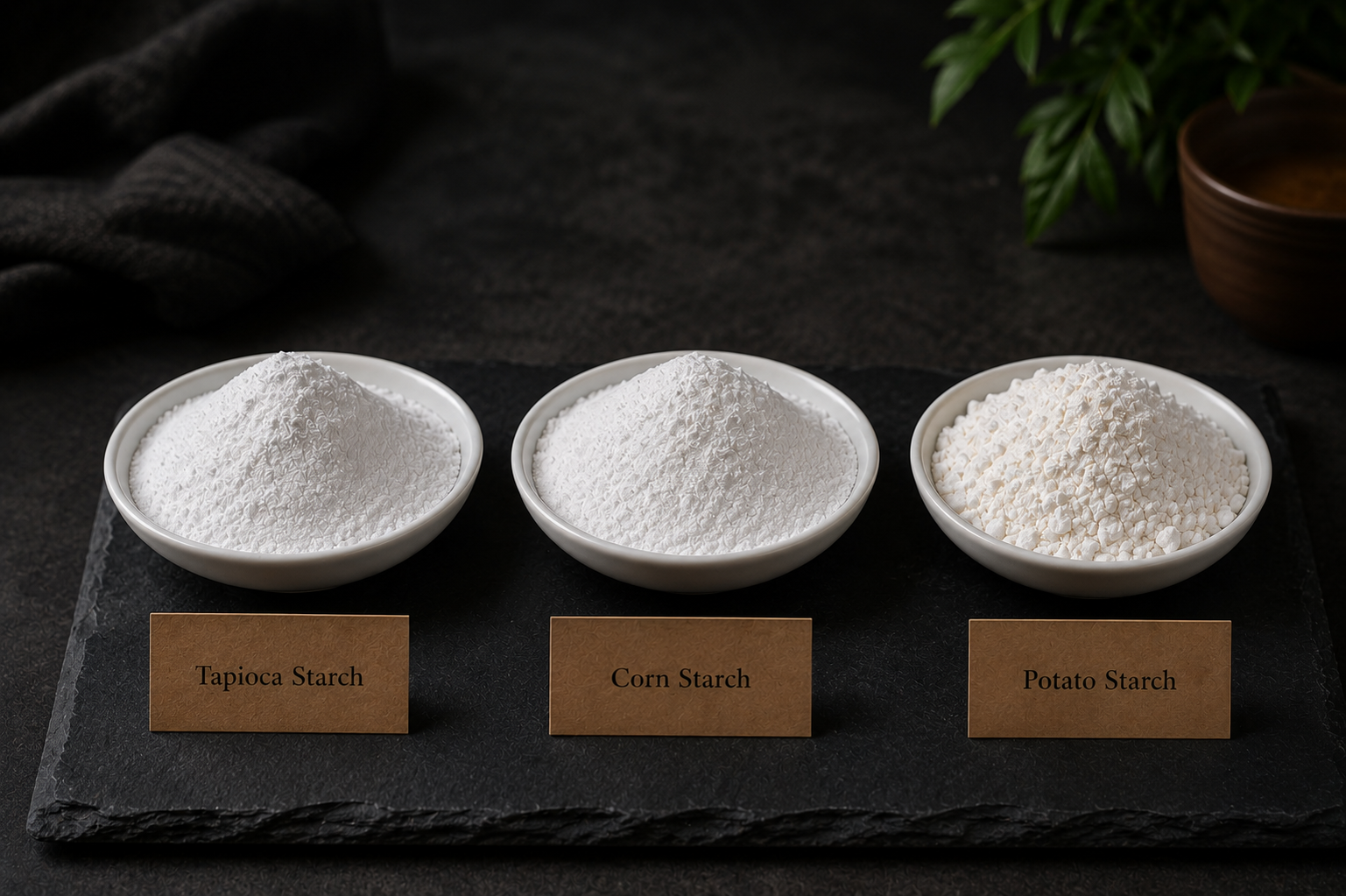
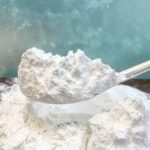
Tapioca starch (cassava starch) is extracted from cassava root. Naturally gluten-free, non-GMO, and allergen-free — the preferred clean-label starch for food manufacturers targeting health-conscious and international markets.
Corn starch is extracted from corn kernels. The most widely used industrial starch globally due to low cost and wide availability. However, it carries GMO risk in many markets and performs poorly in frozen applications.
Potato starch is extracted from potato tubers. Delivers exceptional thickening power at low temperatures but breaks down rapidly under heat, acid, and mechanical stress — limiting its use in processed food applications.
Clarity matters in sauces, fillings, glazes, and beverages where visual appeal is critical. In the tapioca starch vs corn starch comparison, tapioca starch produces a crystal-clear, glossy gel — the clearest of the three. Corn starch produces a slightly opaque, cloudy gel. Potato starch falls between the two but is less consistent than tapioca starch at higher inclusion rates.
Winner for clarity: Tapioca starch ✅
For frozen food manufacturers, freeze-thaw stability is non-negotiable. Tapioca starch vs corn starch differ significantly here: tapioca starch offers good natural freeze-thaw stability, and modified grades (E1442, E1414) deliver industry-leading performance for frozen soups, sauces, and ready meals. Corn starch and potato starch both retrograde rapidly — causing syneresis and texture breakdown after freezing.
Winner for freeze-thaw stability: Tapioca starch ✅
Tapioca starch gelatinises at 52–64°C and maintains stability under moderate heat. Modified tapioca starch grades provide excellent heat and acid resistance for retorting, aseptic filling, and low-pH sauce production. Corn starch (62–72°C) offers good heat stability for baked goods and confectionery. Potato starch (56–66°C) is the most heat-sensitive — breaking down rapidly under prolonged heat and mechanical shear.
Winner: Corn starch (native) / Modified Tapioca Starch (modified applications) ✅
Tapioca starch is virtually flavourless and odourless — it does not interfere with the natural flavour of the finished product, making it ideal for premium sauces, custards, and beverages. Corn starch can impart a subtle cereal flavour noticeable in delicate applications. Potato starch has the most pronounced flavour — an earthy, potato-like taste perceptible at higher inclusion rates.
Winner for neutral flavour: Tapioca starch ✅
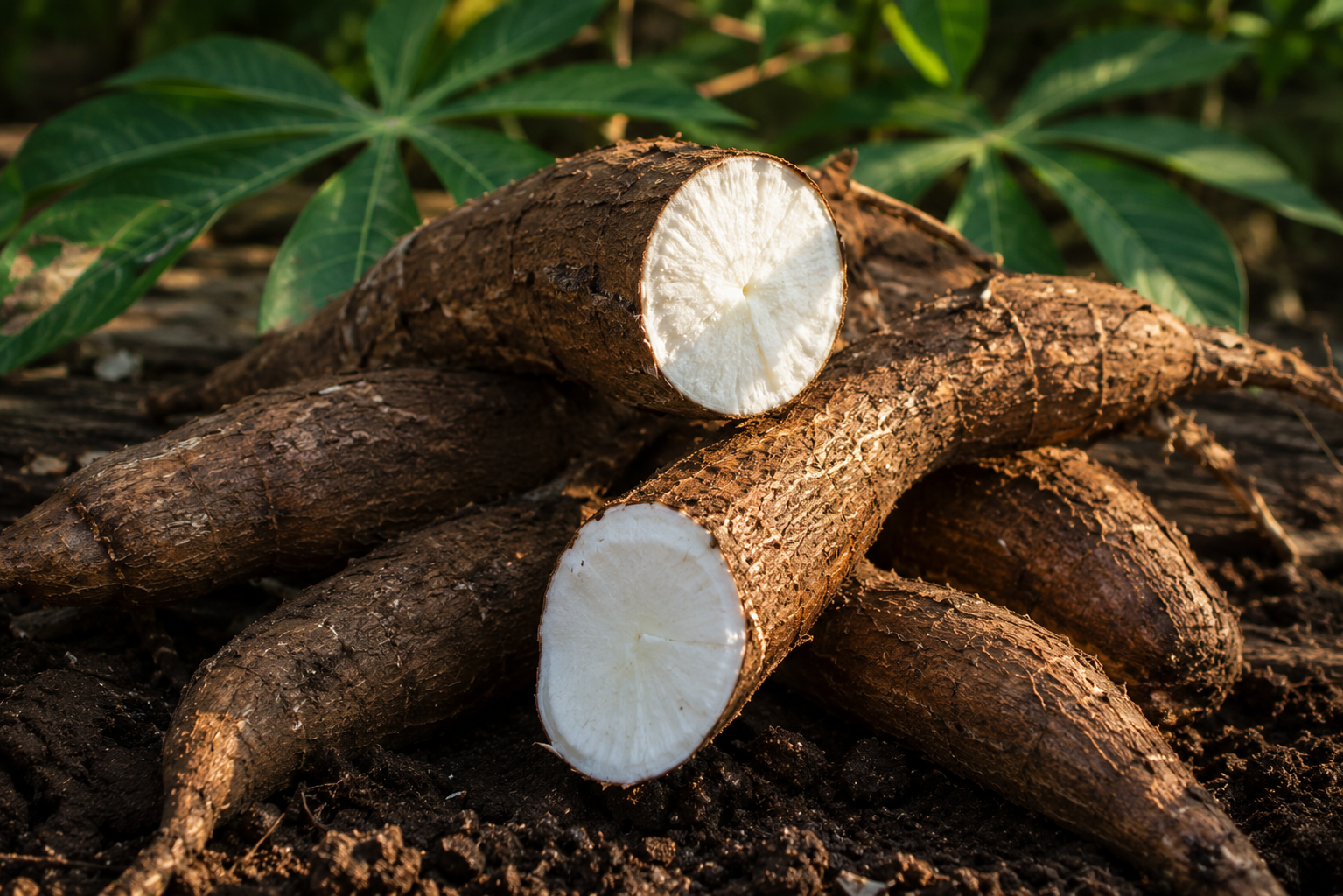
Tapioca starch vs corn starch differ most critically on clean label compliance. Tapioca starch is naturally gluten-free, non-GMO, allergen-free, and plant-based — the gold standard for clean-label starch formulation. Corn starch carries significant GMO risk — the majority of global corn supply is genetically modified. Potato starch is naturally non-GMO and gluten-free but lacks the processing stability needed for most commercial applications.
Winner for clean label: Tapioca starch ✅
| Parameter | Tapioca Starch | Corn Starch | Potato Starch |
|---|---|---|---|
| Source | Cassava root | Corn kernel | Potato tuber |
| Clarity | ✅ Excellent | ⚠️ Cloudy | ⚠️ Moderate |
| Freeze-thaw stability | ✅ Good | ❌ Poor | ❌ Poor |
| Heat stability | ✅ Good | ✅ Good | ❌ Poor |
| Flavour | ✅ Neutral | ⚠️ Slight corn | ❌ Earthy |
| Gluten-free | ✅ Yes | ✅ Yes | ✅ Yes |
| GMO risk | ✅ None | ❌ High | ✅ None |
| Clean label | ✅ Excellent | ⚠️ GMO risk | ✅ Good |
| Cost | Medium | Low | Low–Medium |
| Application | Best Choice | Reason |
|---|---|---|
| Clear sauces & glazes | Tapioca Starch | Superior clarity |
| Fruit pie fillings | Tapioca Starch | Clarity + stability |
| Frozen ready meals | Modified Tapioca Starch | Freeze-thaw stability |
| Gluten-free bakery | Tapioca Starch | Clean label + texture |
| Gravies & opaque sauces | Corn Starch | Cost-effective thickening |
| Baked goods | Corn Starch | Heat stability |
| Clean-label formulations | Tapioca Starch | Non-GMO, allergen-free |
| Frozen soups & sauces | Modified Tapioca Starch | Freeze-thaw stability |
No. Tapioca starch vs corn starch differ significantly in source, clarity, freeze-thaw stability, flavour, and GMO profile. Tapioca starch is naturally non-GMO and allergen-free; corn starch carries significant GMO risk in most global supply chains.
In most applications, yes. Tapioca starch vs corn starch substitution typically requires a 1:1 to 1.2:1 ratio (tapioca:corn). You will notice improved clarity, better freeze-thaw stability, and a cleaner flavour profile.
Modified tapioca starch (E1442) is the preferred choice for frozen applications due to superior freeze-thaw stability. Both corn starch and potato starch perform poorly in frozen food formulations.
Yes — cassava has no commercially approved GMO varieties. This is a significant advantage over corn starch in markets with strict GMO labelling requirements. For more on modified grades, see our Modified Tapioca Starch guide.
Tapioca starch — virtually flavourless and odourless, the preferred choice for premium sauces, custards, and beverages where product flavour must not be masked.
Tapioca starch vs corn starch vs potato starch are not interchangeable. Tapioca starch wins on clarity, freeze-thaw stability, flavour neutrality, and clean-label compliance. Corn starch remains cost-effective for heat-stable opaque applications. Potato starch suits cold-set applications but lacks the stability for modern processed food production.
Looking to source tapioca starch for your formulation? At Abimex Group, we supply native tapioca starch and a full range of modified grades under our Kingstarch Vietnam brand — with Halal, Kosher, ISO 22000, FSSC 22000, and HACCP certification. Available in 25kg bags and 850kg jumbo bags. Contact us to request samples and technical data sheets.