CASHEW NUT SHELL OIL

CASHEW NUT SHELL OIL
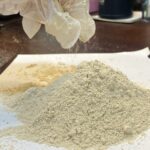
RICE PROTEIN POWDER
RICE PROTEIN POWDER
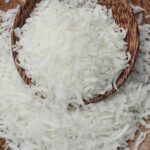
DESICCATED COCONUT
How to store fresh coconut is an essential question for anyone who wants to enjoy its natural sweetness, refreshing water, and nutritional benefits without worrying about spoilage. Fresh coconut is highly perishable due to its high water and natural sugar content, which makes it prone to fermentation and bacterial growth if not stored properly.
In this complete guide, you’ll learn the most effective and practical methods to store fresh coconut—whether whole, opened, or frozen—so you can extend its shelf life while maintaining taste and quality.
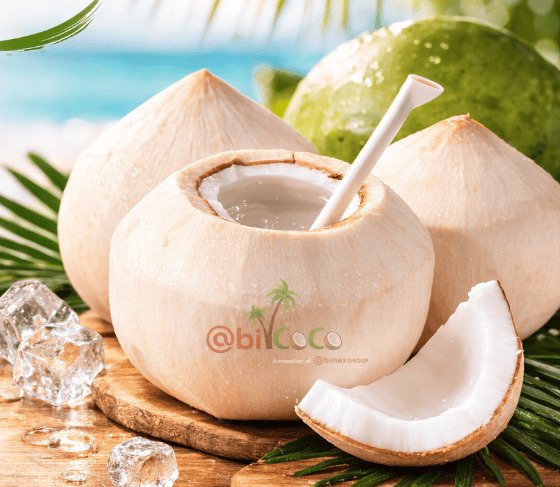
Table of Contents
ToggleUnderstanding why coconut spoils helps you store it better. Fresh coconut contains:
Once exposed to air, coconut begins to oxidize, and bacteria can develop rapidly—especially in warm environments. This is why knowing how to store fresh coconut correctly is key to preserving its freshness and safety.
Whole coconuts (unopened) last longer than opened ones, but storage conditions still matter.
Shelf life:
Shelf life:
Tip: Shake the coconut before storing. If you hear plenty of liquid inside, it’s still fresh.
Once opened, coconut becomes highly vulnerable to air exposure and bacterial contamination.
Shelf life:
Air exposure is the main cause of spoilage, so minimizing contact with oxygen is critical.
Shelf life:
Coconut water can ferment quickly. If you notice a fizzy texture or sour smell, it is no longer safe to drink.
Freezing is the best method if you want to store coconut for an extended period.
Shelf life:
This is ideal for smoothies or cooking. However, note that the taste and texture may slightly change after thawing.
Even if you follow all the best practices on how to store fresh coconut, it’s important to check for spoilage before use.
If you notice any of these signs, discard the coconut immediately to avoid health risks.
Many people unintentionally shorten the shelf life of coconut due to simple mistakes:
Avoiding these mistakes will significantly improve storage results.
To master how to store fresh coconut, consider these expert tips:
Knowing how to store fresh coconut properly allows you to enjoy its natural flavor, hydration, and health benefits without worrying about spoilage. Whether you store it whole, refrigerate the flesh, or freeze it for later use, applying the right techniques can significantly extend its shelf life.
By following these practical tips, you can reduce waste, save money, and always have fresh coconut ready for your favorite recipes and drinks.
👉 Get in touch with Abimex Group today to discover high-quality coconut products and expert guidance for your business.