CASHEW NUT SHELL OIL

CASHEW NUT SHELL OIL
RICE PROTEIN POWDER
RICE PROTEIN POWDER
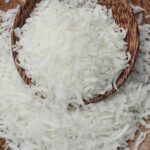
DESICCATED COCONUT
How to evaluate desiccated coconut for industrial use is a key concern for food manufacturers, importers, and industrial buyers looking for consistent quality and reliable performance. Desiccated coconut is widely used in bakery products, confectionery, breakfast cereals, snacks, dairy alternatives, and various processed foods. However, not all products available on the market offer the same level of quality. Understanding the essential evaluation criteria can help businesses choose the right supplier and ensure optimal results in their production processes.
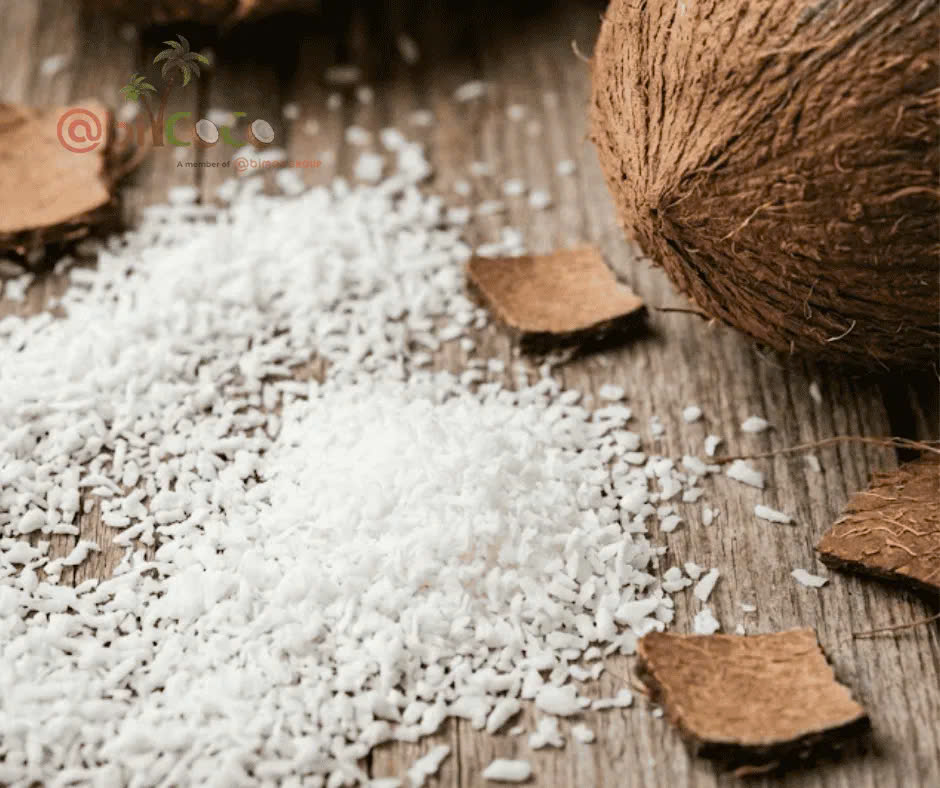
Table of Contents
ToggleIndustrial food production depends on raw materials that deliver consistency, safety, and functionality. Poor-quality desiccated coconut can lead to issues such as uneven texture, off-flavors, shorter shelf life, and production inefficiencies.
Understanding how to evaluate desiccated coconut for industrial use helps manufacturers reduce sourcing risks, maintain product consistency, and meet the quality expectations of customers and regulatory authorities. It also allows procurement teams to compare suppliers based on measurable quality standards rather than focusing solely on price.
One of the first steps in evaluating desiccated coconut is examining its physical properties. These characteristics directly affect product performance during manufacturing.
Desiccated coconut is available in various grades, including fine, medium, extra fine, and flakes. The appropriate grade depends on the intended application.
Fine-grade desiccated coconut is commonly used in bakery fillings, cookies, and confectionery products, while larger flakes are often preferred for toppings, snack bars, and decorative applications.
Consistency in particle size is important because it ensures uniform mixing, baking performance, and product appearance.
High-quality desiccated coconut should have a clean white or creamy-white color. Dark particles, discoloration, or uneven coloration may indicate poor processing practices, contamination, or improper storage conditions.
Buyers should request product specifications and quality reports to verify consistency across different production batches.
The product should be dry, free-flowing, and free from excessive clumping. High moisture levels can negatively affect shelf life and increase the risk of microbial growth during storage and transportation.
Visual inspection alone is not enough when sourcing ingredients for industrial applications. Laboratory analysis provides critical data regarding quality, safety, and performance.
Moisture content is one of the most important quality indicators. Industrial-grade desiccated coconut typically contains less than 3% moisture.
Maintaining low moisture levels helps:
Desiccated coconut naturally contains coconut oil, which contributes to flavor, aroma, and texture. Depending on the intended application, buyers may choose between full-fat and reduced-fat products.
The oil content should align with the formulation requirements of the final product to ensure desired functionality and sensory characteristics.
Free fatty acid (FFA) levels provide an indication of freshness and processing quality. Lower FFA values generally suggest better handling practices and reduced degradation of coconut oil.
Many food manufacturers include FFA testing as part of their supplier approval process.
When considering how to evaluate desiccated coconut for industrial use, food safety should always be a top priority.
Reputable suppliers should comply with internationally recognized standards such as:
These certifications demonstrate that the manufacturer follows strict quality management and food safety procedures throughout the production process.
Microbiological testing is essential for ensuring food safety and regulatory compliance.
Reliable suppliers routinely test for:
Food manufacturers should review microbiological reports regularly and ensure that products comply with the requirements of their target export markets.
Conducting microbiological assessments is an important part of how to evaluate desiccated coconut for industrial use because it helps protect consumers and minimize product safety risks.
Packaging quality plays a significant role in maintaining product integrity.
Industrial buyers should assess:
Proper packaging helps preserve freshness and reduces the risk of contamination during transportation and storage.
Storage conditions should also be carefully controlled. Desiccated coconut should be stored in a cool, dry environment away from direct sunlight, excessive humidity, and strong odors.
Another important aspect of how to evaluate desiccated coconut for industrial use is reviewing the supplier’s operational capabilities.
Key questions to consider include:
Long-term sourcing success often depends on supplier reliability, transparency, and consistency rather than pricing alone.
Before committing to large-volume purchases, manufacturers should perform application trials to evaluate product performance under actual production conditions.
Sensory evaluation may include:
For example, bakery manufacturers may assess baking performance and texture retention, while confectionery producers may evaluate flavor consistency and appearance.
Application testing provides practical insights and is often the final step in determining how to evaluate desiccated coconut for industrial use effectively.
Many buyers focus primarily on cost when sourcing desiccated coconut. While competitive pricing is important, overlooking quality can result in higher costs over time.
Common sourcing mistakes include:
A comprehensive evaluation process helps businesses reduce risks and improve long-term sourcing outcomes.
Understanding how to evaluate desiccated coconut for industrial use is essential for manufacturers seeking consistent product quality, food safety compliance, and reliable supply chains. By assessing physical characteristics, laboratory parameters, microbiological quality, certifications, packaging standards, and supplier capabilities, businesses can make informed purchasing decisions and achieve better production results.
If you are looking for a trusted supplier of premium-quality desiccated coconut, Abimex Group is ready to support your business. With extensive experience in coconut processing and international exports, we provide high-quality desiccated coconut products that meet the requirements of food manufacturers, distributors, and importers worldwide.
Contact Abimex Group today to discuss your sourcing requirements and discover how our high-quality coconut products can help strengthen your supply chain and support your business growth.