CASHEW NUT SHELL OIL

CASHEW NUT SHELL OIL
RICE PROTEIN POWDER
RICE PROTEIN POWDER
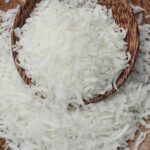
DESICCATED COCONUT
Desiccated Coconut Price Trends 2026 reflect a combination of raw coconut availability, competing demand, weather conditions, processing costs, product specifications, packaging, exchange rates, and international logistics. For importers, understanding these factors is essential when preparing purchasing budgets, comparing suppliers, and planning shipment schedules.
Unlike commodities traded through centralized exchanges, desiccated coconut does not have one transparent global benchmark price. Quotations are usually negotiated directly between processors, exporters, and buyers. Prices can vary considerably according to origin, fat content, particle size, quality requirements, packaging, order volume, Incoterms, and shipment period.
Therefore, this article should be treated as a factor-based market analysis rather than a fixed price forecast.
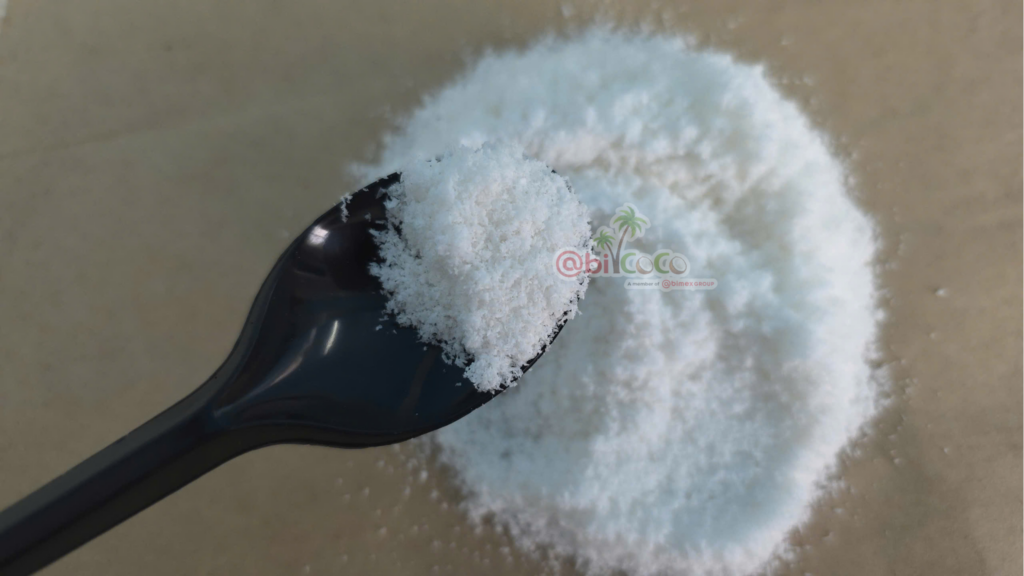
Table of Contents
TogglePublic coconut oil prices can provide useful context about the broader mature-coconut processing sector, but they are not a direct benchmark for desiccated coconut.
In June 2026, the World Bank’s Pink Sheet recorded a 9.74% month-on-month increase in its coconut oil price indicator. This movement demonstrates that coconut-related commodity markets can experience significant short-term fluctuations. However, importers should not apply the same percentage directly to desiccated coconut quotations because the two products have different production processes, specifications, markets, and cost structures.
Monitoring Desiccated Coconut Price Trends 2026 therefore requires buyers to examine the wider coconut market while also reviewing the specific commercial conditions of each desiccated coconut offer.
Raw coconut availability is one of the most important factors affecting production costs. The supply and quality of harvested coconuts can change according to season, growing region, tree age, agricultural conditions, farm maintenance, and competing demand.
When fewer suitable coconuts are available, processors may need to pay more for raw materials or source them from more distant locations. This can increase collection and inland transportation expenses.
Raw material quality also affects processing yield. Coconut maturity, meat thickness, moisture, fat content, and physical condition can determine how much finished product is obtained from a given volume of fresh coconuts. If a factory requires more raw coconuts to produce the same quantity of finished desiccated coconut, the production cost per kilogram may rise.
For that reason, Desiccated Coconut Price Trends 2026 can reflect changes in both the purchasing price of raw coconuts and the actual yield achieved during processing.
Mature coconuts can be processed into desiccated coconut, coconut oil, coconut milk, coconut cream, and other value-added products. When demand from one major processing segment increases, it may affect the availability and cost of suitable raw materials for other processors.
However, not every coconut product uses identical varieties or maturity levels. For example, coconuts intended for fresh drinking water may differ from mature coconuts used for desiccated coconut or oil production. The relationship between product categories is therefore indirect and can vary by producing region.
USDA forecasts Indonesia’s coconut oil production at approximately 1.04 million metric tons in the 2026/27 marketing year. Although this figure does not measure desiccated coconut output, it illustrates the scale of industrial demand within the mature-coconut supply chain. USDA Indonesia Oilseeds and Products Annual
Buyers studying Desiccated Coconut Price Trends 2026 should therefore consider developments across the wider coconut-processing industry without assuming that coconut oil and desiccated coconut prices will move at exactly the same rate.
Coconut production depends on long-term agricultural conditions. Excessive rainfall, drought, storms, pests, and plant diseases can affect fruit development, harvesting, transportation, and raw material quality.
The effects of adverse weather may not appear immediately. Coconut palms require time to develop fruit, so a weather disruption can influence supply several months after the original event. This delay makes short-term forecasting difficult.
Nevertheless, buyers should be cautious when every price adjustment is attributed to weather. Climate conditions are only one part of the cost structure. Demand, exchange rates, factory utilization, labor, energy, packaging, and freight can also affect quotations.
A reliable supplier should be able to explain whether a price change is related primarily to raw material availability, processing costs, logistics, specifications, or a combination of these factors.
Commercial desiccated coconut production typically includes shelling, paring, washing, size reduction, heat treatment or blanching, drying, grading, inspection, and packing. The exact process may vary by factory and product specification.
Each stage requires labor, energy, equipment, sanitation, and quality-control procedures. Electricity and fuel prices can influence drying, factory operation, cold or controlled storage where applicable, and inland transportation.
Labor costs can also vary by region and season. Products requiring additional cutting, sorting, grading, or manual inspection may cost more to produce than standard grades.
The World Bank’s 2026 commodity reporting has shown substantial movement in energy and other input markets. These changes do not automatically translate into an equal adjustment in desiccated coconut prices, but they can affect production and logistics expenses throughout the agricultural supply chain. World Bank Commodity Markets
Not all desiccated coconut products are commercially equivalent. High-fat, medium-fat, and low-fat products have different compositions, manufacturing requirements, and intended applications.
Particle size also matters. Fine, Medium, Flakes, and Chips may require different cutting, screening, sorting, and handling procedures. Larger and visually consistent pieces can require more careful raw material selection and may generate higher production losses.
Consequently, Desiccated Coconut Price Trends 2026 cannot be compared accurately unless buyers confirm that quotations refer to equivalent products.
When comparing offers, importers should check:
A lower quotation may simply represent a different grade or a less demanding specification rather than a genuinely more competitive offer.
Stricter specifications can increase production and quality-control costs. Requirements related to moisture, free fatty acids, peroxide value, sulfur dioxide, microbiological limits, or particle-size distribution may require additional controls, sorting, testing, or production adjustments.
Destination markets and individual customers may also require batch-specific certificates of analysis, accredited laboratory reports, food-safety documentation, or religious compliance certificates.
These requirements can provide commercial value, but buyers should confirm which tests are legally required and which are internal purchasing preferences. Adding unnecessary specifications can increase cost without improving product performance in the intended application.
The specification should reflect how the ingredient will be used, whether in bakery, confectionery, chocolate, cereal, fillings, toppings, or dry food mixes.
Packaging protects desiccated coconut from moisture, contamination, odor absorption, and physical damage during transportation and storage. The selected format can influence the final quotation.
Relevant cost factors include:
Standard bulk packaging will generally have a different cost structure from custom retail packaging. Printed pouches, customized cartons, private-label designs, and smaller consumer packs require additional materials, printing, approval, and handling.
Full-container orders may allow better production and loading efficiency. Mixed grades, smaller quantities, pallets, or special loading arrangements can change the cost per metric ton.
Importers should distinguish between the product price and the total landed cost. FOB, CFR, CIF, DAP, and DDP quotations include different responsibilities, expenses, and risks.
Ocean freight, container availability, port congestion, insurance, documentation fees, inland transport, and destination charges can all influence the final amount paid by the buyer.
Currency movements can also affect export quotations. A supplier may pay for coconuts, labor, electricity, and local transportation in domestic currency while receiving payment in US dollars. Significant exchange-rate movements can therefore influence the price or validity period of an offer.
For importers, Desiccated Coconut Price Trends 2026 should be evaluated as the combined result of raw material, processing, packaging, logistics, currency exposure, and commercial terms.
Buyers cannot control agricultural prices, but they can reduce procurement risk through better planning and clearer communication.
Useful purchasing practices include:
Long-term planning does not guarantee a fixed price. However, earlier communication gives suppliers more time to prepare raw materials, packaging, production schedules, inspections, and container bookings.
Understanding the causes of price fluctuations helps importers compare offers more accurately and avoid purchasing decisions based only on the lowest quoted price.
If your business is reviewing Desiccated Coconut Price Trends 2026, Abimex Group can support your sourcing requirements with Vietnamese desiccated coconut in Fine, Medium, Flakes, and Chips grades, with different fat-level options for food manufacturing applications.
Contact Abimex Group to discuss your required grade, technical specifications, packaging, volume, destination port, and shipment schedule. Our team can provide product information, samples, documentation, and a quotation based on your actual purchasing requirements.