CASHEW NUT SHELL OIL

CASHEW NUT SHELL OIL
RICE PROTEIN POWDER
RICE PROTEIN POWDER
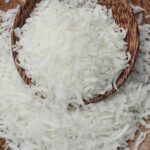
DESICCATED COCONUT
Desiccated Coconut OEM/Private Label is an increasingly attractive option for importers, distributors, supermarket chains, and retail brands that want to develop coconut-based products under their own brand without investing in production facilities.
As demand for plant-based, clean-label, and versatile food ingredients continues to grow, desiccated coconut remains widely used in bakery, confectionery, snacks, cereals, desserts, and plant-based food applications. For buyers looking for reliable manufacturing partners, Vietnam is a competitive sourcing destination thanks to its coconut-growing regions, export experience, and food processing capabilities.
This guide explains what importers and retail brands should know before choosing a supplier for Desiccated Coconut OEM/Private Label projects.
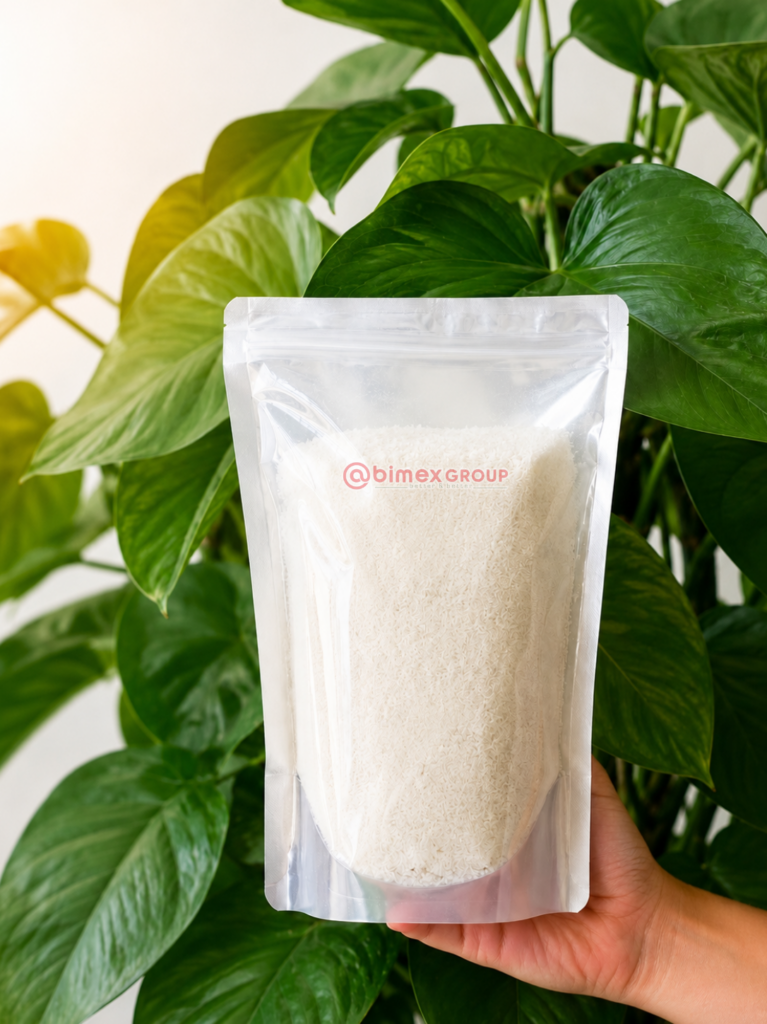
Table of Contents
ToggleDesiccated Coconut OEM/Private Label refers to a manufacturing arrangement where a supplier produces desiccated coconut products according to the buyer’s product, packaging, and branding requirements.
In general:
Both models help buyers launch branded products faster and reduce investment in manufacturing infrastructure.
Vietnam is a significant producer and exporter of coconut products, with key coconut-growing areas located in the Mekong Delta, especially Ben Tre Province. The Mekong Delta has long been recognized as an important coconut production region in Vietnam.
Vietnamese suppliers may offer several advantages for international buyers:
However, buyers should note that supply, pricing, and lead time may still be affected by seasonality, raw material availability, packaging requirements, and order volume.
Choosing Desiccated Coconut OEM/Private Label manufacturing can support importers and retail brands in several ways.
Private label products allow buyers to develop their own identity through customized packaging, logo, product name, and positioning.
Buyers do not need to invest in machinery, factories, production staff, or food safety management systems.
Working with an experienced supplier helps reduce product development time and supports faster market launch.
Depending on supplier capability, buyers may customize:
Packaging is a key part of any Desiccated Coconut OEM/Private Label project because it affects product protection, shelf appeal, logistics, and customer experience.
Common packaging options may include:
Custom printed packaging usually requires a higher MOQ due to printing and setup costs.
Before placing an order, buyers should clearly confirm all product details with the supplier.
Important specifications include:
Clear specifications help reduce misunderstandings during production.
Food safety requirements vary by country, customer, and sales channel. Buyers should request updated certification documents directly from the supplier before confirming production.
Common certifications and standards may include:
FSSC 22000 is a recognized food safety certification scheme aligned with ISO management system structure.
For the U.S. market, food facility registration and prior notice may be required depending on the product and importing situation. FDA states that prior notice is required for food imported or offered for import into the United States.
MOQ depends on packaging format, customization level, printing requirements, and production planning.
In general:
Buyers should discuss MOQ, lead time, and packaging requirements early in the sourcing process.
Required documents vary depending on destination market regulations.
Common documents may include:
A professional supplier should guide buyers on available documents and coordinate with freight forwarders when needed.
Choosing the right Desiccated Coconut OEM/Private Label supplier is essential for long-term success.
Buyers should evaluate:
A reliable supplier should be transparent, responsive, and willing to provide samples, specifications, and updated documents before production.
First-time buyers should avoid:
Good preparation helps reduce sourcing risks and supports smoother long-term cooperation.
Desiccated Coconut OEM/Private Label manufacturing gives importers and retail brands a practical way to build their own coconut product line with lower production investment and faster market entry.
By confirming product specifications, reviewing certifications, checking samples, planning packaging carefully, and working with an experienced Vietnamese supplier, buyers can build a stronger and more reliable sourcing process.
For brands entering the coconut ingredient market, Desiccated Coconut OEM/Private Label can be a flexible and scalable solution.
Looking for a trusted Vietnamese supplier for Desiccated Coconut OEM/Private Label projects?
Abimex Group supports global buyers with premium Vietnamese desiccated coconut, flexible OEM and Private Label solutions, customized packaging, product specification support, and export documentation assistance.
Contact Abimex Group today to request updated certification documents, product specifications, samples, and a customized quotation for your desiccated coconut project.