CASHEW NUT SHELL OIL

CASHEW NUT SHELL OIL
RICE PROTEIN POWDER
RICE PROTEIN POWDER
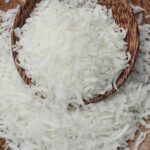
DESICCATED COCONUT
Desiccated coconut in pet food manufacturing is gaining increasing attention among pet food producers seeking natural, functional, and sustainable ingredients. As consumer demand shifts toward healthier and more transparent pet nutrition, manufacturers are exploring innovative ingredients that can enhance product quality while supporting animal well-being. Desiccated coconut offers a combination of dietary fiber, naturally occurring fats, and formulation versatility, making it a valuable ingredient for modern pet food applications.
In this article, we explore the nutritional characteristics of desiccated coconut, its applications in pet food production, and practical formulation considerations for manufacturers.
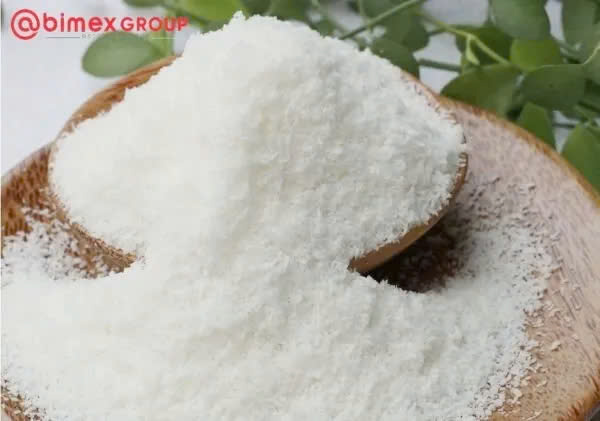
Table of Contents
ToggleThe pet food industry has experienced significant growth in recent years, driven by pet owners who increasingly view their animals as family members. This trend has created demand for premium ingredients that support digestive health, ingredient transparency, and overall product quality.
Desiccated coconut in pet food manufacturing aligns well with these evolving market preferences. Made from fresh coconut meat that is dried and finely processed, desiccated coconut is a natural ingredient that can be incorporated into a wide range of pet food formulations.
Additionally, coconut-based ingredients are often associated with sustainability when sourced from responsible agricultural and processing systems that maximize the utilization of coconut resources.
One of the primary advantages of desiccated coconut in pet food manufacturing is its naturally high dietary fiber content. Depending on the specification, desiccated coconut can contain significant levels of fiber, making it an attractive ingredient for formulations focused on digestive support.
Potential benefits of dietary fiber may include:
Fiber-rich ingredients are increasingly used in premium pet food products designed to meet growing consumer interest in digestive wellness.
Desiccated coconut contains naturally occurring medium-chain fatty acids, although at lower concentrations than coconut oil. These fats contribute to the overall energy content of pet food formulations and can provide ingredient diversity in premium recipes.
Potential formulation advantages include:
As with any ingredient, the nutritional contribution of desiccated coconut should be evaluated within the context of the complete formulation.
Pet owners often associate healthy skin and a shiny coat with overall wellness. The fats naturally present in coconut may help support normal skin and coat condition when included as part of a balanced diet.
However, coconut is generally not considered a primary source of the essential fatty acids most commonly associated with skin and coat health. For this reason, desiccated coconut is best viewed as a complementary ingredient within a broader nutritional strategy.
Although not considered a major source of vitamins or minerals in pet food formulations, desiccated coconut contains trace amounts of minerals such as:
These minerals can contribute modestly to the overall nutrient profile of a formulation when combined with other functional ingredients.
The versatility of desiccated coconut allows manufacturers to use it across multiple pet food categories.
Desiccated coconut can be incorporated into kibble formulations to enhance fiber content and diversify ingredient profiles. Its fine texture allows relatively easy integration into extrusion processes while helping maintain product consistency.
Many premium pet treats emphasize natural ingredients and digestive support. Desiccated coconut can serve as a nutritional component and may also contribute to texture and flavor characteristics in biscuits, training treats, and functional snacks.
As grain-free and limited-ingredient diets continue to gain popularity, desiccated coconut in pet food manufacturing can be incorporated into grain-free formulations as a source of dietary fiber and texture enhancement. It is generally used as a complementary ingredient rather than a direct replacement for major carbohydrate sources.
Manufacturers targeting segments such as digestive care, weight management, or premium natural nutrition can utilize desiccated coconut as a value-added ingredient that supports product differentiation.
Successfully incorporating desiccated coconut into pet food products requires careful formulation and quality control.
While fiber can provide valuable functional benefits, excessive levels may impact palatability, stool quality, or nutrient digestibility. Manufacturers should determine appropriate inclusion levels based on species, life stage, and intended nutritional objectives.
Balanced formulations help ensure pets receive the benefits of fiber without compromising overall nutritional performance.
Because desiccated coconut is naturally high in dietary fiber, inclusion levels should be carefully evaluated during product development. The optimal inclusion rate will depend on factors such as:
Careful formulation helps maintain product acceptance and nutritional balance.
Desiccated coconut contains natural fats that contribute to its functional value. Formulators should account for these fats when calculating total dietary fat levels to ensure the final product meets nutritional targets.
This consideration is particularly important for formulations intended for weight management or pets with specific dietary requirements.
Ingredient consistency is critical in pet food manufacturing. High-quality desiccated coconut should offer:
Working with reputable suppliers can help manufacturers maintain consistent product performance and regulatory compliance.
Even nutritionally valuable ingredients must be accepted by pets. Manufacturers should conduct palatability assessments and feeding trials to determine suitable inclusion levels and evaluate consumer acceptance.
Combining desiccated coconut with complementary ingredients may further enhance product appeal.
Pet food regulations vary across markets and regions. Manufacturers should verify ingredient approvals, labeling requirements, and applicable nutritional standards before commercializing products containing coconut-derived ingredients.
Compliance with regulatory requirements supports consumer confidence and facilitates market access.
As the global pet food market continues to evolve, natural and functional ingredients are expected to play an increasingly important role. Consumers are actively seeking products with recognizable ingredients, cleaner labels, and transparent sourcing.
Desiccated coconut in pet food manufacturing is well positioned to support these trends due to its natural origin, fiber content, and formulation flexibility. As manufacturers continue to innovate in premium and specialty pet nutrition, coconut-derived ingredients may offer additional opportunities for product differentiation.
Desiccated coconut in pet food manufacturing offers several functional and nutritional characteristics, including dietary fiber, naturally occurring fats, formulation versatility, and suitability for premium pet food applications. When incorporated appropriately into balanced formulations, it can contribute to ingredient diversity and support the development of innovative pet food products.
Looking for a reliable supplier of high-quality desiccated coconut for your pet food manufacturing needs?
Abimex Group is a trusted Vietnamese exporter specializing in premium coconut products that meet international quality standards. With stringent quality control, consistent supply capabilities, and extensive export experience, Abimex Group supports manufacturers in developing high-quality pet food products for global markets.
Contact Abimex Group today to learn how our premium desiccated coconut solutions can support your next pet food innovation.