CASHEW NUT SHELL OIL

CASHEW NUT SHELL OIL
RICE PROTEIN POWDER
RICE PROTEIN POWDER
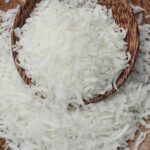
DESICCATED COCONUT
Desiccated coconut for dairy-free desserts can bring more than coconut flavor to a product. Its texture, appearance, and versatility make it useful across a wide range of dessert concepts, from bakery products and snack bars to frozen treats and confectionery.
As interest in dairy-free product development continues, food manufacturers and private-label brands are exploring ingredients that can help create enjoyable sensory experiences without relying on conventional dairy ingredients.
Desiccated coconut can support this process in several ways. However, it should not automatically be treated as a direct replacement for milk, cream, or butter. Its role depends on the formulation, cut size, fat content, moisture specification, and intended application.
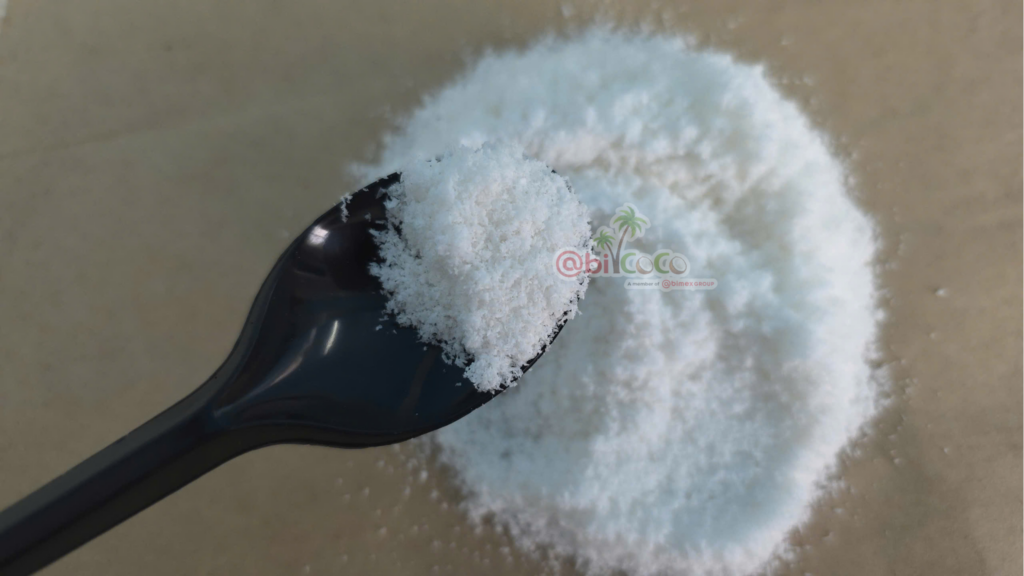
Table of Contents
ToggleOne of the main advantages of desiccated coconut is its versatility.
Depending on the grade and particle size, it can contribute noticeable coconut texture or blend more subtly into a finished product. This gives product developers flexibility when designing desserts with different sensory profiles.
It may contribute to:
For B2B buyers, choosing the right specification is important because fine, medium, and larger coconut cuts can perform differently in a finished product.
Bakery is one of the most familiar applications for desiccated coconut.
In dairy-free cakes, muffins, cookies, and similar products, coconut can be incorporated into the mixture or used as a topping or decorative element.
Fine or medium grades may be suitable when manufacturers want the coconut to distribute more evenly throughout the product. Larger particles may create a more noticeable texture and stronger visual presence.
Using desiccated coconut for dairy-free desserts can also help brands create tropical or coconut-focused flavor concepts without depending solely on liquid coconut ingredients.
However, performance will vary by recipe and processing conditions. Product developers should test the ingredient within the actual formulation rather than assume that one coconut grade will work equally well in every bakery application.
Dairy-free dessert bars and snack bites offer another flexible application.
Desiccated coconut can be mixed with ingredients such as grains, nuts, dried fruits, cocoa, or other plant-based components to create different textures and flavor combinations.
It may also be used on the outside of bars or bites as a coating. In this role, coconut can provide a distinctive appearance while contributing additional texture.
For brands developing premium snack concepts, coconut can also support tropical, indulgent, or plant-based positioning.
When sourcing desiccated coconut for dairy-free desserts, buyers should consider whether they want a smooth, integrated texture or a more visible coconut presence.
Desiccated coconut can also be explored in dairy-free frozen dessert applications.
Rather than acting as the primary dairy replacement, it may function as an inclusion, topping, coating, or textural component.
For example, coconut particles may be incorporated into frozen dessert concepts where a more complex bite is desired. Larger flakes may also provide decorative value in premium or tropical-inspired products.
The performance of coconut in frozen applications depends on factors such as particle size, moisture, formulation, and storage conditions.
Testing is therefore important because freezing and thawing environments can influence texture differently from ambient applications.
Layered dessert cups are another area where desiccated coconut for dairy-free desserts can add value.
Coconut can be placed between layers, sprinkled on top, or incorporated into dry components such as crumb layers or inclusions.
The contrast between a smooth dairy-free base and a slightly chewy or textured coconut layer may help create a more interesting eating experience.
Visual presentation can also be important. White coconut particles can create contrast with chocolate, fruit, caramel-colored, or brightly colored dessert components.
For retail-ready dessert concepts, appearance often plays an important role in consumer perception, particularly when products are sold in transparent packaging.
Coconut and chocolate are commonly paired in confectionery-style products.
In dairy-free concepts, desiccated coconut may be used in centers, coatings, clusters, bites, or layered products.
Fine coconut can produce a different mouthfeel from larger flakes, so the desired final texture should guide ingredient selection.
Using desiccated coconut for dairy-free desserts in confectionery can also help manufacturers create recognizable tropical flavor combinations while maintaining flexibility in product format.
However, companies making dairy-free claims should evaluate the complete ingredient list and manufacturing environment. The presence of coconut alone does not make a finished product dairy-free.
Sometimes, the simplest application can provide significant visual impact.
Desiccated coconut can be used as a finishing ingredient on cakes, dessert cups, bars, frozen treats, and confectionery products.
A coconut topping can communicate flavor before the consumer even tastes the product.
Different cut sizes may create different visual effects. Fine coconut can provide a more even coating, while medium or larger cuts can create a more rustic or premium appearance.
For private-label brands, this can be particularly useful when developing products that need strong shelf appeal without adding overly complex decorative components.
Not every desiccated coconut product is identical.
B2B buyers may need to consider several specifications, including:
For example, a fine grade may work well in applications where coconut should blend into the product, while a larger grade may be better when visible texture is part of the concept.
This is why selecting desiccated coconut for dairy-free desserts should begin with the intended application rather than simply choosing the most readily available grade.
Product samples can also be useful for evaluating texture, appearance, flavor, and processing performance before moving to commercial quantities.
Ingredient quality can also be influenced by handling and storage.
Desiccated coconut should be protected according to the supplier’s recommended storage conditions. Exposure to humidity, heat, strong odors, or unsuitable storage environments may affect product characteristics over time.
For food manufacturers, packaging format should also match production needs. Bulk users may require different pack sizes or inner packaging structures than retail or smaller-scale foodservice customers.
When planning desiccated coconut for dairy-free desserts, buyers should therefore discuss both the ingredient specification and the packaging format with their supplier.
Desiccated coconut can support a wide variety of dairy-free dessert concepts, from bakery and snack bars to confectionery, layered desserts, and frozen applications.
Its value lies not in replacing every dairy ingredient directly, but in contributing texture, coconut character, appearance, and flexibility to product development.
The right specification will depend on the desired sensory experience, manufacturing process, target consumer, and final product format.
For food manufacturers and private-label brands, desiccated coconut for dairy-free desserts can therefore be considered not only as a traditional ingredient, but also as a versatile component for developing modern dessert concepts.
Abimex Group supports international B2B buyers sourcing desiccated coconut for bakery, confectionery, snack, dessert, foodservice, and private-label applications.
From product specifications and cut sizes to packaging requirements and export coordination, Abimex Group works with customers to identify suitable options for different markets and applications.
If you are currently developing desiccated coconut for dairy-free desserts or other coconut-based food concepts, contact Abimex Group to discuss your required specifications, packaging options, and sourcing needs.