CASHEW NUT SHELL OIL

CASHEW NUT SHELL OIL
RICE PROTEIN POWDER
RICE PROTEIN POWDER
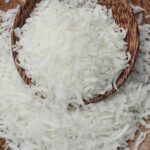
DESICCATED COCONUT
Desiccated Coconut FAQ is one of the most searched topics among food manufacturers, importers, distributors, wholesalers, and private-label brands sourcing coconut ingredients. Whether you are looking for a reliable desiccated coconut supplier, evaluating product specifications, or comparing manufacturers, understanding the fundamentals of desiccated coconut can help you make informed purchasing decisions.
As global demand for coconut-based ingredients continues to grow, buyers frequently ask questions about quality standards, certifications, packaging, shelf life, and applications. This comprehensive Desiccated Coconut FAQ answers the 20 most common questions raised by food industry professionals worldwide.
Table of Contents
ToggleDesiccated coconut is made from fresh, mature coconut meat that has been shredded, dried, and processed under hygienic conditions. It is widely used in bakery products, confectionery, snacks, breakfast cereals, desserts, dairy alternatives, and plant-based foods.
As a versatile and natural ingredient, desiccated coconut offers excellent texture, flavor, and nutritional value, making it a preferred choice for food manufacturers and processors.
Desiccated coconut is produced from the white kernel of mature coconuts. The coconut meat is separated from the shell, cleaned, shredded, dried, and packed according to food safety standards.
Most commercial-grade desiccated coconut contains a moisture level below 3%. Maintaining low moisture helps preserve product quality, prevent microbial growth, and extend shelf life.
Common grades include:
The appropriate grade depends on the intended food application and desired texture.
Yes. Pure desiccated coconut is naturally gluten-free and suitable for gluten-free product formulations when manufactured in certified facilities that prevent cross-contamination.
Desiccated coconut is typically finer and more uniform in size, while coconut flakes are larger and provide a more distinct texture and appearance in finished products.
Leading desiccated coconut manufacturers implement strict quality control measures throughout the production process, including:
These procedures help ensure product consistency and compliance with international standards.
When selecting a desiccated coconut supplier, buyers should prioritize manufacturers with certifications such as:
These certifications demonstrate a commitment to food safety and quality management.
High-quality desiccated coconut generally contains no preservatives. The drying process naturally reduces moisture content, helping preserve freshness without the need for chemical additives.
Manufacturers maintain microbiological safety through strict sanitation procedures, controlled processing environments, routine laboratory testing, and adherence to food safety management systems.
Yes. Many suppliers offer certified organic desiccated coconut that complies with recognized organic standards for food manufacturing and retail applications.
Desiccated coconut is widely used in:
Fine and Medium grades are commonly preferred for cakes, cookies, biscuits, pastries, and bakery fillings because they provide uniform texture and excellent product integration.
Absolutely. Desiccated coconut is a plant-based ingredient and is widely incorporated into vegan, vegetarian, and dairy-free food formulations.
When used correctly, desiccated coconut can enhance flavor and texture without negatively affecting the shelf life of finished food products.
Yes. Many chocolate manufacturers use desiccated coconut in chocolate bars, pralines, fillings, coatings, and specialty confectionery products due to its rich flavor and appealing texture.
Key considerations include:
Partnering with an experienced desiccated coconut manufacturer can significantly reduce sourcing risks.
Packaging options may include:
Packaging can often be tailored to meet specific customer requirements.
The leading desiccated coconut exporting countries include:
These countries benefit from abundant coconut resources and well-established coconut processing industries.
For optimal quality and shelf life:
Proper storage helps maintain freshness and product integrity.
Yes. Many bulk desiccated coconut suppliers offer customized solutions, including:
These services help food manufacturers meet unique production and branding requirements.
Desiccated coconut remains one of the most versatile ingredients in the global food industry. Its natural flavor, long shelf life, broad application range, and consumer appeal make it an essential ingredient for manufacturers across multiple sectors.
Whether used in bakery products, confectionery, cereals, snacks, or plant-based foods, sourcing high-quality food-grade desiccated coconut from a trusted supplier is critical for maintaining product quality and production efficiency.
This Desiccated Coconut FAQ serves as a practical resource for buyers evaluating suppliers, comparing specifications, and understanding key purchasing considerations. By partnering with an experienced manufacturer, businesses can secure a stable supply of premium coconut ingredients while meeting increasingly demanding food safety and quality standards.
Abimex Group is a trusted Vietnamese supplier of premium desiccated coconut products serving importers, distributors, food manufacturers, and private-label brands worldwide.
With modern production facilities, strict quality control systems, internationally recognized certifications, and extensive export experience, Abimex Group delivers consistent quality and dependable supply solutions for global customers.
Whether you need Fine Grade, Medium Grade, coconut flakes, customized specifications, or private-label packaging, our team is ready to support your sourcing requirements.
Contact Abimex Group today to request samples, technical specifications, pricing information, and customized packaging solutions for your business.