CASHEW NUT SHELL OIL

CASHEW NUT SHELL OIL
RICE PROTEIN POWDER
RICE PROTEIN POWDER
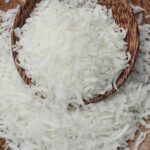
DESICCATED COCONUT
Desiccated coconut is one of the most widely used coconut-based ingredients in the global food industry. From bakery products and confectionery to cereals, snacks, and plant-based foods, this versatile ingredient is valued for its rich flavor, texture, and nutritional benefits. However, maintaining its quality over time depends heavily on proper storage practices.
Whether you are a food manufacturer, distributor, importer, or retailer, understanding how to store desiccated coconut correctly can help preserve freshness, prevent spoilage, and maximize product value. In this article, we explore the factors that affect shelf life and the best storage practices to ensure optimal product quality.
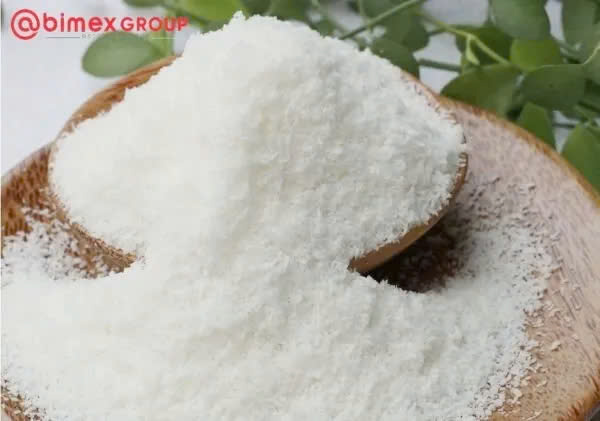
Table of Contents
ToggleThe shelf life of desiccated coconut is influenced by several factors, including moisture content, packaging, storage temperature, and exposure to environmental conditions. Since most of the moisture has been removed during processing, desiccated coconut naturally has a longer shelf life than fresh coconut meat.
Under recommended storage conditions, high-quality desiccated coconut can typically remain in good condition for 12 to 24 months. However, improper handling and storage may shorten its usable life and affect its taste, aroma, texture, and safety.
For businesses that rely on consistent ingredient quality, proper storage is just as important as sourcing from a reputable supplier.
Several external factors can impact the condition of desiccated coconut during storage.
Moisture is one of the biggest threats to product quality. If desiccated coconut absorbs moisture from the environment, it can become vulnerable to mold growth, clumping, and microbial contamination.
Maintaining low humidity levels throughout the storage process is essential to preserving product integrity.
High temperatures can accelerate oxidation of the natural oils present in coconut. Over time, this may result in rancidity and undesirable flavor changes.
Storage facilities should maintain a cool and stable temperature to help extend product freshness.
Exposure to oxygen contributes to oxidation, which can negatively affect both flavor and nutritional quality. Properly sealed packaging helps reduce oxygen exposure and supports longer shelf life.
Direct sunlight and prolonged exposure to strong artificial light may gradually degrade product quality. Storing products away from light sources can help maintain their natural characteristics.
Following proper storage procedures is the most effective way to protect product quality throughout its shelf life.
One of the most important recommendations for storing desiccated coconut is keeping it in a cool, dry place. Storage areas should be well-ventilated and protected from excessive humidity.
The ideal storage temperature generally ranges between 15°C and 25°C (59°F to 77°F). Consistent conditions help minimize quality deterioration and preserve freshness.
Proper packaging plays a vital role in maintaining product quality. Once original packaging has been opened, the product should be transferred into airtight, food-grade containers or resealable bags.
Airtight packaging minimizes exposure to air and moisture while helping preserve the natural aroma and texture of desiccated coconut.
Humidity control is especially important in tropical climates where moisture levels can fluctuate significantly.
Warehouses and storage facilities should be designed to prevent moisture intrusion. In larger operations, climate-controlled storage environments are often used to ensure product stability throughout distribution and transportation.
Because coconut products can absorb surrounding odors, they should be stored away from spices, chemicals, cleaning products, and other strongly scented materials.
Dedicated food storage areas help maintain product purity and protect flavor quality.
The First-In, First-Out (FIFO) method ensures that older inventory is used before newer stock. This practice reduces the risk of products remaining in storage for extended periods and helps maintain consistent quality standards.
FIFO is widely recognized as a best practice throughout the food manufacturing and distribution industry.
Even when stored correctly, regular quality inspections are recommended. Signs that desiccated coconut may have deteriorated include:
If any of these indicators are present, the product should be carefully evaluated before use.
Packaging serves as the primary barrier between the product and environmental factors. High-quality packaging materials help protect desiccated coconut from moisture, oxygen, contamination, and physical damage during transportation and storage.
For export markets, multilayer packaging solutions are commonly used to ensure product quality remains intact throughout long shipping periods.
Companies sourcing coconut ingredients should consider packaging quality as an important factor when selecting suppliers.
Reliable manufacturers implement strict quality control systems throughout the production process. These measures help ensure product consistency, food safety, and shelf-life stability.
Key quality assurance practices include:
These standards contribute significantly to maintaining the quality of desiccated coconut from production to final use.
Proper storage practices are essential for preserving the quality, freshness, and performance of desiccated coconut. By controlling moisture, temperature, light exposure, and packaging integrity, businesses can maximize shelf life and reduce unnecessary product losses.
Whether used in bakery applications, confectionery production, snacks, or plant-based foods, desiccated coconut delivers the best results when stored under appropriate conditions. Investing in proper storage procedures not only protects product quality but also supports food safety and customer satisfaction.
At Abimex Group, we specialize in supplying premium-quality desiccated coconut for food manufacturers, distributors, and importers worldwide. Our products are produced under strict quality control systems and packaged using reliable export-grade solutions to ensure freshness and consistency.
With a commitment to quality, sustainability, and customer satisfaction, Abimex Group is your trusted partner for coconut ingredients in global markets.
Contact Abimex Group today to learn more about our desiccated coconut products and discover how we can support your business with dependable supply solutions, competitive pricing, and international-quality standards.