CASHEW NUT SHELL OIL

CASHEW NUT SHELL OIL
RICE PROTEIN POWDER
RICE PROTEIN POWDER
DESICCATED COCONUT
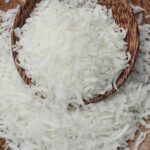
Desiccated coconut is a well-known ingredient, yet its full potential in the Desserts & Dairy industry is often underestimated. With its naturally mild sweetness, distinctive coconut aroma, and a variety of textures ranging from fine to medium and flakes, it offers exceptional flexibility in product development.
Today, more and more brands are incorporating desiccated coconut not only to enhance flavor but also to create a more engaging multi-texture experience for consumers. Its ability to add both softness and subtle crunch makes it particularly valuable in modern dessert formulations.
Beyond its functional benefits, desiccated coconut also plays an important role in elevating visual appeal and perceived product quality. Its natural, clean, and tropical image resonates strongly with current consumer preferences, especially in premium, plant-based, and “better-for-you” product segments. As a result, it is increasingly positioned as a key ingredient that contributes not just to taste, but also to storytelling, brand differentiation, and overall product value in today’s competitive food market.
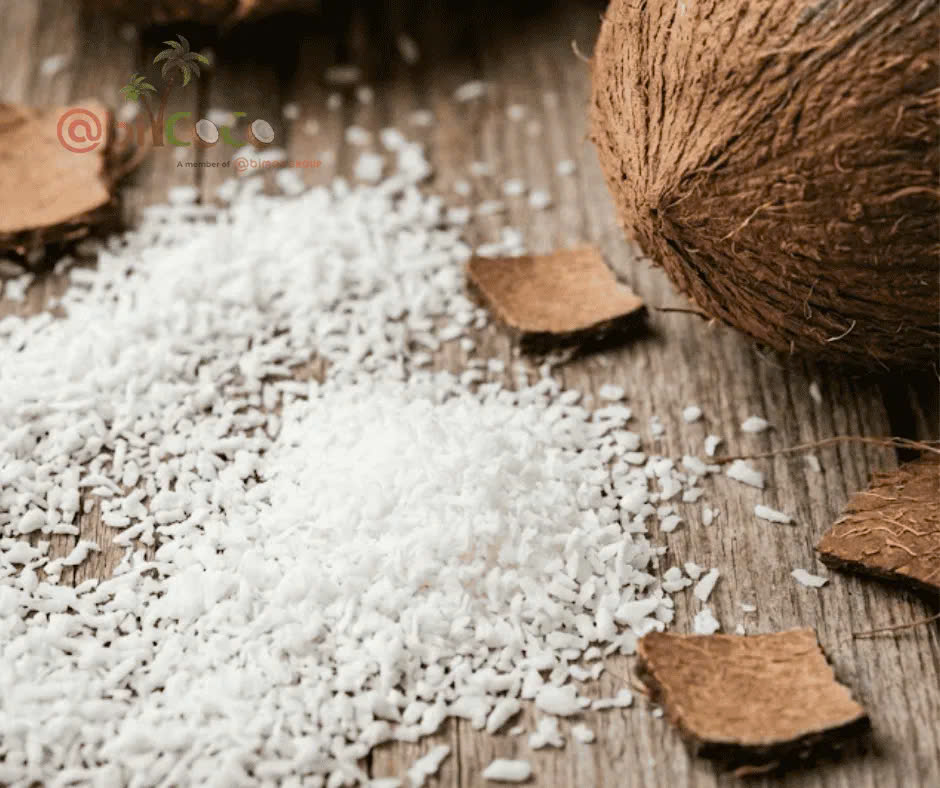
Table of Contents
ToggleIn the dessert category, desiccated coconut functions as both a core ingredient and a decorative topping, bringing depth to a wide range of products.
When incorporated into baked goods such as cakes, muffins, and cookies, desiccated coconut helps retain moisture and creates a soft, pleasant bite.
Its subtle nuttiness balances sweetness, making it ideal for:
It is commonly sprinkled over:
Additionally, it is used as a coating for chocolates and confectionery, improving both texture and visual appeal.
Consumers are increasingly drawn to natural ingredients.
Desiccated coconut is often perceived as:
This allows brands to position their desserts under “clean label” or “better-for-you” categories.
Beyond desserts, desiccated coconut is widely used in dairy and dairy-alternative innovations, contributing to both taste and texture differentiation.
Coconut-flavored yogurt or yogurt with coconut toppings is gaining popularity.
It adds:
Examples include:
Coconut is already a globally loved flavor in frozen desserts.
Adding desiccated coconut:
With the rise of plant-based consumption, desiccated coconut plays a key role in:
It can be combined with coconut milk powder to create a more stable and flavorful base.
Compared to fresh coconut, desiccated coconut:
Available in multiple formats:
Suitable for a wide range of recipes across desserts and dairy.
It pairs well with:
This makes it a flexible ingredient for product development.
Consumers worldwide are increasingly drawn to tropical profiles, with coconut leading the trend. This makes desiccated coconut a highly relevant ingredient in new product launches.
Products such as:
Are gaining traction, especially among health-conscious consumers.
Desiccated coconut aligns well with:
These trends continue to influence purchasing decisions globally.
If you are developing products in Desserts & Dairy, consider the following strategies:
Desiccated coconut is no longer just a supporting ingredient—it has become a key driver of innovation in the Desserts & Dairy sector. Its ability to enhance flavor, improve texture, and support modern consumer trends gives brands a clear competitive advantage. As demand for natural, plant-based, and multi-sensory food experiences continues to grow, desiccated coconut will remain an essential ingredient in future product development strategies.
Looking for high-quality desiccated coconut? Contact Abimex Group today to explore the best solutions for your product line!