
CASHEW NUT SHELL OIL

The signature appeal of bubble tea is not only the drink itself—it is also the distinctive chewy, elastic texture of tapioca pearls.
For consumers, that texture is part of the experience. For manufacturers, however, achieving it consistently requires careful control of starch functionality, water, temperature, formulation and processing conditions.
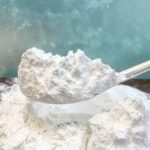
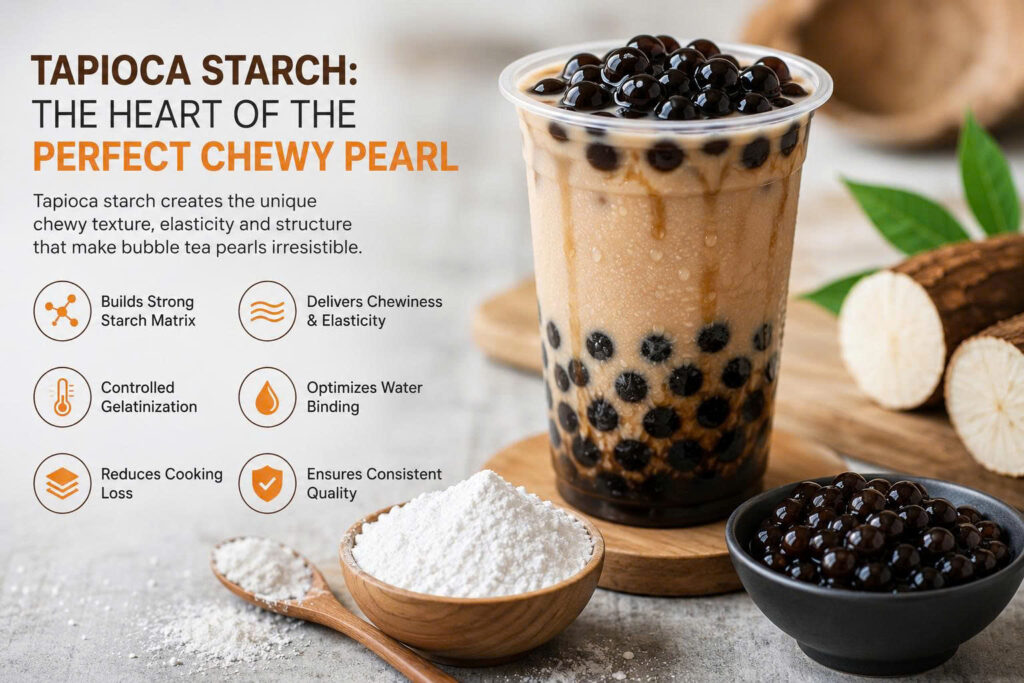
Tapioca starch, derived from cassava roots, is the structural foundation of traditional boba pearls. Its functional properties influence chewiness, elasticity, hardness, cohesiveness, cooking loss and texture after cooking.
This makes selecting the right tapioca starch an important technical decision for industrial pearl manufacturers.
Tapioca starch consists mainly of two starch polymers: amylose and amylopectin, with amylopectin representing the larger proportion.
When tapioca starch is heated with sufficient water, the starch granules absorb water, swell and undergo gelatinization. This transformation creates the starch matrix responsible for the structure of the cooked pearl.
The molecular structure of tapioca starch contributes to the characteristic combination of chewiness, springiness and resilience expected from high-quality boba pearls.
However, starch alone does not determine the final result.
Water ratio, sugar concentration, mixing, forming, cooking temperature, cooking time and post-cooking holding conditions all interact with starch functionality.
Therefore, a good pearl is not simply the result of using tapioca starch—it comes from matching the right starch to the right process.
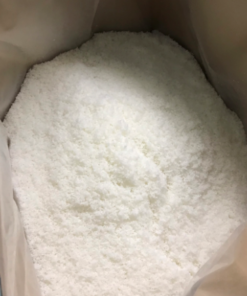
Native tapioca starch is widely used in traditional pearl formulations and can provide excellent texture when processing conditions are properly controlled.
For industrial production, manufacturers may have additional requirements such as:
In these applications, modified tapioca starch may provide additional functional possibilities.
Depending on the starch modification and formulation, modified starch can influence viscosity, water binding, gel structure, processing tolerance and finished-product texture.
However, modified starch is not automatically better than native starch. The appropriate solution depends on the target texture, formulation, manufacturing process and storage conditions.
Industrial buyers should evaluate more than price and basic starch purity.
Important parameters may include:
Viscosity profile: How does the starch behave during heating and cooling?
Gelatinization behavior: Does it match the manufacturer’s cooking process?
Moisture and particle characteristics: Are they consistent from batch to batch?
Texture performance: Does the starch deliver the required hardness, elasticity and chewiness?
Cooking performance: Does the pearl maintain structural integrity with acceptable cooking loss?
Batch consistency: Can the supplier provide stable functional performance across repeated production lots?
For manufacturers, consistency is particularly important because even small changes in starch behavior can require adjustments in water addition, cooking conditions or formulation.
As a tapioca starch manufacturer, we believe starch should be selected according to the finished product—not simply according to a standard specification.
For bubble tea pearl applications, the key relationship is:
Starch Functionality → Processing Behavior → Cooking Performance → Pearl Texture
Whether your production requires native tapioca starch or modified tapioca starch, the right solution should be validated under your actual manufacturing conditions.
If you manufacture tapioca pearls, instant boba, frozen pearls or other starch-based products, our technical team can work with you to evaluate starch solutions based on your target texture, process and performance requirements.
Looking for a reliable tapioca starch solution for your bubble tea pearl production? Contact us to discuss your application, request technical specifications or arrange a sample for industrial trials.