CASHEW NUT SHELL OIL

CASHEW NUT SHELL OIL
RICE PROTEIN POWDER
RICE PROTEIN POWDER
DESICCATED COCONUT
Desiccated coconut in the plant-based market is becoming an increasingly important topic as global demand for plant-based foods continues to rise. Driven by health awareness, sustainability concerns, and changing consumer preferences, the plant-based industry is expanding rapidly—and functional ingredients like desiccated coconut are playing a key role in this transformation.
Once considered a traditional baking ingredient, desiccated coconut is now widely used in modern food innovation, especially in dairy alternatives, snacks, and functional foods. Its versatility, clean label appeal, and nutritional profile make it a valuable asset for manufacturers looking to compete in the plant-based space.
Table of Contents
ToggleThe plant-based food sector has experienced consistent growth over the past decade and is widely projected (by organizations such as industry research firms like Bloomberg Intelligence and others) to maintain strong momentum in the coming years.
Key drivers include:
Major product categories leading growth include plant-based milk, meat alternatives, and dairy-free desserts. However, behind these products lies a network of ingredients that determine taste, texture, and nutritional value.
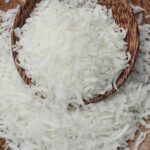
Desiccated coconut is made by shredding and drying fresh coconut meat under controlled conditions to reduce moisture and extend shelf life.
Key characteristics:
While it contains MCTs, it is important to note that desiccated coconut is less concentrated than coconut oil, making it more suitable as a functional ingredient rather than a primary fat source.
One of the main challenges in plant-based product development is replicating the texture and mouthfeel of dairy.
Desiccated coconut in the plant-based market helps by:
However, it is important to note that:
Desiccated coconut is rarely used alone as a direct dairy substitute; it is typically part of a broader formulation.
Consumer preference for clean label products continues to grow. This includes:
Desiccated coconut aligns well with this trend because it is:
One of the biggest strengths of desiccated coconut in the plant-based market is its versatility:
This versatility allows manufacturers to reuse a single ingredient across multiple product lines, improving cost efficiency and formulation flexibility.
Desiccated coconut offers several nutritional attributes:
However, for balanced communication:
Countries such as Vietnam, Indonesia, and the Philippines are among the world’s leading coconut producers. This creates several advantages:
This creates a strategic advantage for companies sourcing desiccated coconut in the plant-based market.
Demand for plant-based ingredients continues to grow in:
This creates opportunities for:
Desiccated coconut enables innovation in:
Its role is particularly valuable in hybrid formulations, where multiple plant ingredients are combined.
Coconut farming can be positioned as relatively sustainable compared to animal agriculture, particularly in terms of:
However, for accuracy:
Sustainability depends heavily on farming practices, supply chain transparency, and labor conditions, which businesses must manage carefully.
Despite its advantages, desiccated coconut in the plant-based market faces several challenges:
Effective sourcing and quality control are critical success factors.
Looking ahead, desiccated coconut is expected to play a growing role as:
It is evolving from a traditional ingredient into a strategic component in plant-based innovation.
Desiccated coconut in the plant-based market is no longer a niche ingredient – it is becoming a key enabler of product development and differentiation.
Desiccated coconut stands out due to its:
For businesses entering or expanding in the plant-based sector, it represents a practical and strategic ingredient choice – provided it is used with proper formulation and sourcing strategies.
Looking for a reliable supplier of desiccated coconut for plant-based products?
Abimex Group offers consistent, export-quality desiccated coconut tailored for plant-based applications.
Contact us to explore partnership opportunities and product specifications.