
CASHEW NUT SHELL OIL

In the rapidly growing global instant noodle industry, manufacturers are constantly seeking high-performance ingredients to improve product quality, optimize production, and meet consumer expectations. One of the most essential functional ingredients used today is modified tapioca starch E1420, also known as acetylated starch.
Derived from cassava, modified tapioca starch E1420 offers excellent stability, texture enhancement, and processing advantages, making it a preferred choice for instant noodle manufacturers worldwide. This article provides a comprehensive overview of its properties, applications, benefits, and export potential.
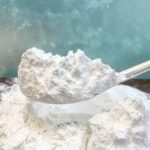
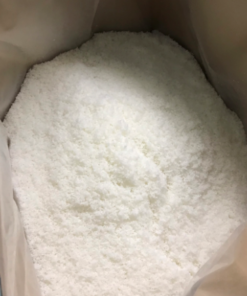
Modified tapioca starch E1420 is a chemically modified starch produced through acetylation of native tapioca starch. This process improves the functional properties of the starch, allowing it to perform effectively under industrial food processing conditions.
Thanks to these properties, modified tapioca starch E1420 is widely used in instant noodles, sauces, frozen foods, and processed food products.
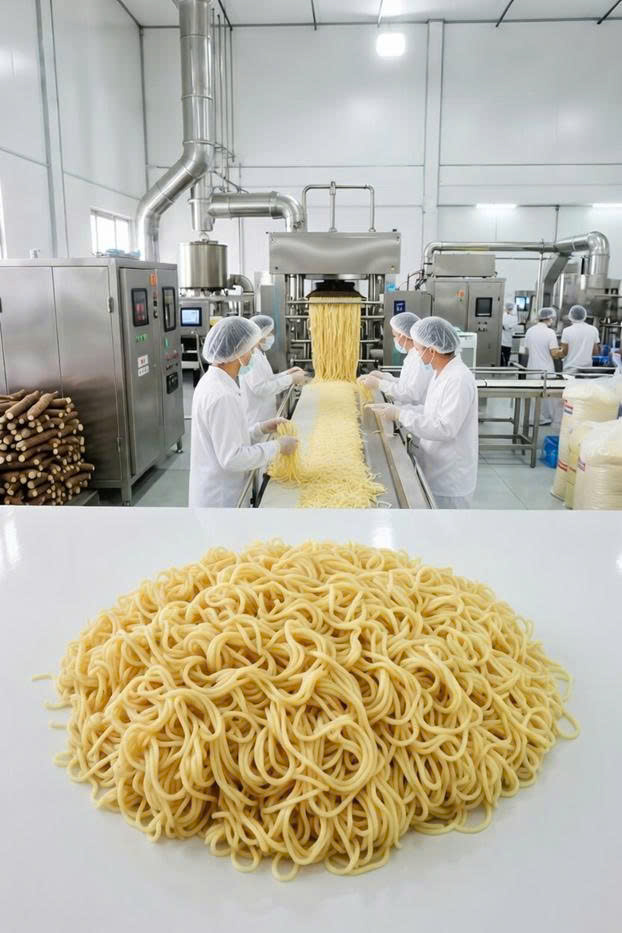
Texture is one of the most critical quality attributes in instant noodles. Consumers expect noodles to be firm, elastic, and smooth after cooking.
Modified tapioca starch E1420 improves:
This ensures a consistent and premium eating experience.
Instant noodles are typically deep-fried to achieve quick cooking properties. However, excessive oil absorption can negatively affect both quality and health perception.
E1420 helps:
This is particularly important for manufacturers targeting healthier product positioning.
One of the common issues in instant noodles is sogginess after cooking. Modified tapioca starch E1420 improves structural integrity, allowing noodles to:
Shelf life is crucial for export and large-scale distribution. E1420 reduces starch retrogradation, which helps:
From a manufacturing perspective, E1420 enhances dough handling and machinability:
This leads to cost savings and higher productivity.
Compared to corn, wheat, or potato starch, tapioca-based modified starch offers unique advantages:
Neutral Taste and Color
Tapioca starch does not interfere with the flavor profile of instant noodles, making it ideal for diverse seasoning applications.
Gluten-Free and Non-GMO
With growing consumer demand for clean-label products, tapioca starch provides a strong advantage as a naturally gluten-free ingredient.
Excellent Clarity and Texture
It delivers a smoother and more appealing texture compared to other starches.
Cost-Effective and Stable Supply
Cassava is widely cultivated in tropical regions such as Vietnam, Thailand, and Indonesia, ensuring a reliable and competitive supply chain for exporters.
Modified tapioca starch E1420 can be used at multiple stages of the production process:
Regulatory and Compliance Requirements
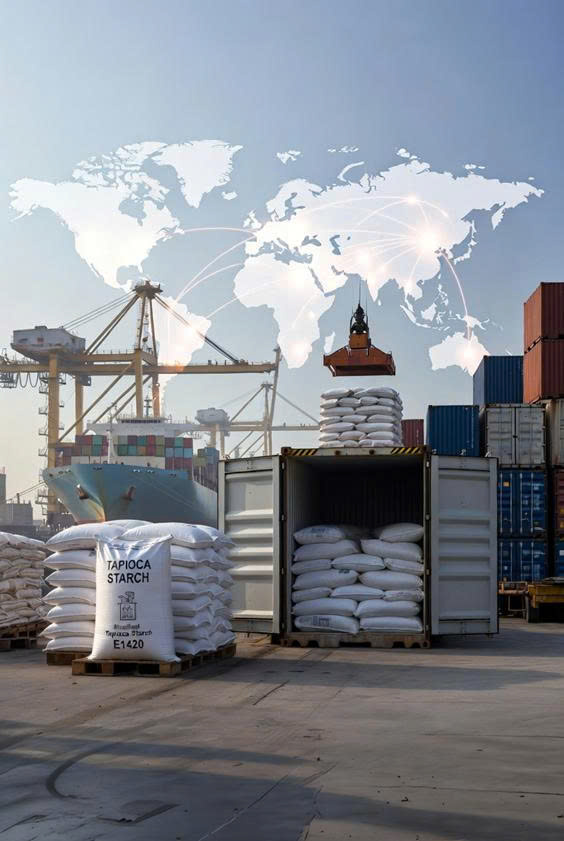
For buyers and importers, selecting the right supplier is critical.
Key Evaluation Criteria
A reliable supplier not only delivers quality products but also supports long-term business growth.
What is E1420 used for in instant noodles?
E1420 is used to improve texture, reduce oil absorption, enhance cooking stability, and extend shelf life.
Is modified tapioca starch E1420 safe?
Yes, E1420 is approved by major food safety authorities such as FDA and EFSA when used within regulated limits.
Why choose tapioca starch over other starches?
Tapioca starch offers better texture, neutral taste, gluten-free properties, and strong supply availability.
Modified tapioca starch E1420 plays a crucial role in the instant noodle industry by enhancing texture, improving processing efficiency, and ensuring product stability. Its functional advantages, combined with growing global demand for instant noodles, make it an essential ingredient for manufacturers and a valuable opportunity for exporters.
For businesses involved in the food ingredient supply chain, investing in high-quality modified tapioca starch E1420 can unlock significant growth potential in international markets.