CASHEW NUT SHELL OIL

CASHEW NUT SHELL OIL
RICE PROTEIN POWDER
RICE PROTEIN POWDER
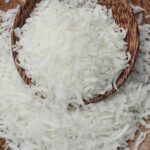
DESICCATED COCONUT
As global consumers increasingly favor healthy, plant-based, and clean-label breakfast options, desiccated coconut in granola has become a preferred ingredient for many cereal manufacturers. Its natural flavor, nutritional profile, and excellent processing stability make it a versatile and cost-effective choice for both premium and mass-market granola products.
This article explores the key reasons why desiccated coconut plays such an important role in modern granola and cereal production, along with real product applications seen in today’s market.
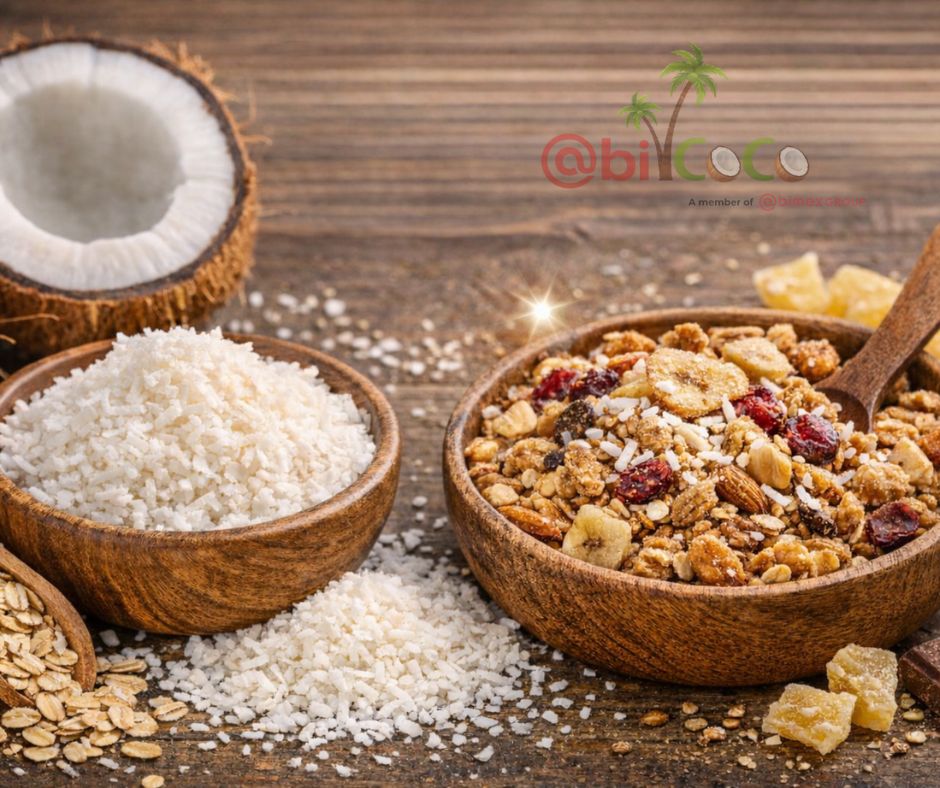
Table of Contents
ToggleOne of the main reasons manufacturers choose desiccated coconut in granola is its naturally sweet and creamy coconut flavor. This allows brands to reduce reliance on artificial flavors, sweeteners, or enhancers while still delivering a rich taste experience.
When baked or toasted during granola production, desiccated coconut releases a warm, nutty aroma that blends perfectly with oats, nuts, seeds, and dried fruits. This helps manufacturers create products that align with consumer demand for simple ingredient lists and clean labels.
Texture is a critical quality factor in granola products. Desiccated coconut adds:
Compared to granola made only from oats, coconut helps prevent a dry or overly dense texture, making the product more enjoyable when eaten with milk, yogurt, or plant-based alternatives.
From a nutritional perspective, desiccated coconut contributes several valuable elements to granola formulations:
Dietary fiber contributes to normal digestive function and helps create a longer-lasting feeling of fullness, which is particularly appealing for consumers seeking balanced breakfast options or sustained energy throughout the day.
Coconut-derived fats contribute to overall energy intake and enhance flavor and mouthfeel. This makes desiccated coconut especially suitable for energy-focused granola, protein granola, and formulations designed for active lifestyles.
Desiccated coconut contains naturally occurring trace minerals such as manganese and copper, which help add nutritional depth to cereal products without the need for synthetic fortification.
Desiccated coconut is a single-ingredient raw material with a clear, consumer-friendly name. This makes it well suited for:
Its low moisture content supports product stability while aligning with clean label expectations.
Ingredient stability is essential in large-scale cereal production. Desiccated coconut typically has very low moisture content, which helps:
Reduce the risk of microbial growth
Maintain consistent flavor and texture during storage
Extend the shelf life of finished granola products
Support long-distance transportation and export
These characteristics make desiccated coconut suitable for both domestic production and international markets.
Desiccated coconut can be applied in multiple ways during formulation:
Blended directly with oats prior to baking
Incorporated into honey- or syrup-bound granola clusters
Used as a visible topping to enhance product appearance
Combined with cocoa, spices, or dried fruits for seasonal or regional flavor profiles
Manufacturers can select fine or medium cuts depending on the desired texture and visual presentation.
In the global market, desiccated coconut is frequently used in:
Coconut Almond Granola
Tropical Fruit Granola (with mango, pineapple, or banana)
Chocolate Coconut Granola
Keto or low-carbohydrate granola blends
Premium muesli and cereal mixes
These product types highlight desiccated coconut as both a functional ingredient and a key contributor to flavor and texture.
The continued popularity of desiccated coconut in granola is driven by its natural flavor profile, textural benefits, nutritional contribution, and compatibility with clean label and plant-based product strategies. For cereal manufacturers seeking reliable performance, consistent quality, and strong consumer appeal, desiccated coconut remains a valuable and well-established ingredient in modern granola production.
Abimex Group is committed to providing high-quality desiccated coconut to elevate your products. Contact us today for the best ingredient solutions!