CASHEW NUT SHELL OIL

CASHEW NUT SHELL OIL
RICE PROTEIN POWDER
RICE PROTEIN POWDER
DESICCATED COCONUT
The global demand for gluten-free foods has expanded rapidly over the last decade. Once considered a niche market, gluten-free products are now widely consumed by health-conscious consumers, individuals with gluten intolerance, and people seeking alternative diets. As consumer expectations continue to rise, food manufacturers face the challenge of producing gluten-free products that taste just as good as traditional baked goods.
One ingredient has consistently helped manufacturers achieve this goal—tapioca starch.
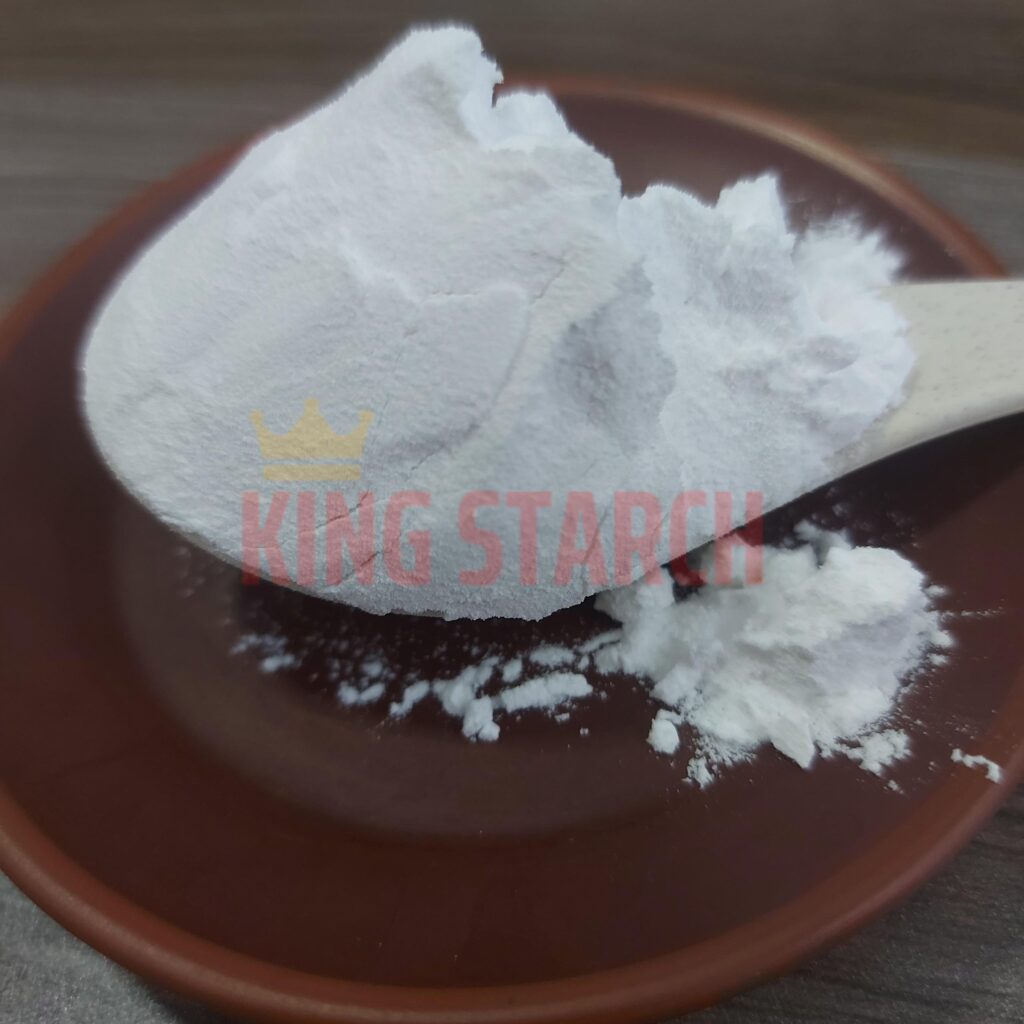
Derived from the cassava root, tapioca starch is valued for its neutral flavor, excellent thickening ability, and exceptional texture-enhancing properties. It has become one of the most widely used ingredients in gluten-free baking because it helps create products that are soft, chewy, and visually appealing.
In this article, we’ll explore why tapioca starch has become an essential ingredient for commercial bakeries and food manufacturers around the world.
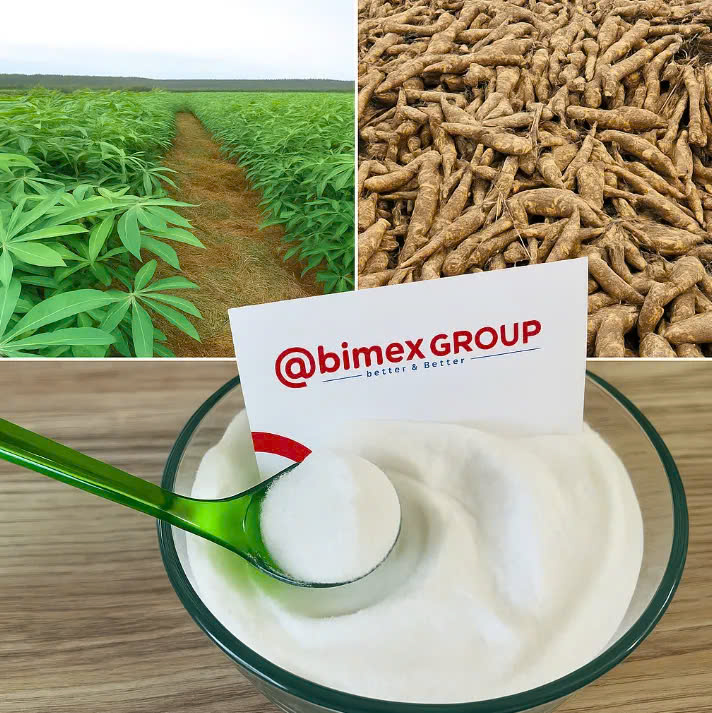
Table of Contents
ToggleTapioca starch is extracted from cassava roots, a tropical crop widely cultivated in Southeast Asia, particularly Vietnam.
Unlike wheat flour, tapioca starch contains no gluten, making it naturally suitable for gluten-free formulations. Its fine white powder dissolves easily and performs exceptionally well in many food processing applications.
Besides baking, tapioca starch is commonly used in:
Its versatility makes it one of the most valuable ingredients in today’s food manufacturing industry.
Gluten plays an important role in traditional baking.
It provides:
Without gluten, baked products often become:
Food manufacturers must replace gluten with ingredients that can recreate these desirable characteristics.
This is where tapioca starch excels.
One of the biggest advantages of tapioca starch is its ability to improve texture.
When incorporated into gluten-free recipes, it helps create:
Consumers often associate softness with freshness, making texture one of the most important purchasing factors.
For commercial bakeries, achieving this consistency is essential for customer satisfaction.
Gluten-free dough is typically difficult to handle because it lacks flexibility.
Tapioca starch contributes elasticity that allows dough to stretch more easily during mixing and baking.
This results in:
Manufacturers appreciate this functional benefit because it improves production efficiency.
Dry gluten-free bread is one of the most common consumer complaints.
Tapioca starch helps retain moisture throughout the baking process, resulting in products that remain fresher for longer.
Benefits include:
This is especially valuable for packaged bakery products with longer distribution periods.
Consumers judge baked goods first by appearance.
Tapioca starch contributes to:
These visual improvements help brands compete in premium retail markets.
Unlike some starches that may affect taste, tapioca starch has a naturally neutral flavor.
This allows manufacturers to highlight the original flavors of:
The result is a cleaner and more authentic taste profile.
Tapioca starch performs well in numerous bakery products.
Popular applications include:
Improves softness, elasticity, and shelf life.
Creates a moist crumb with excellent volume.
Provides a crisp exterior while maintaining a pleasant bite.
Improves flexibility without becoming tough.
Creates light, fluffy textures with excellent consistency.
Enhances overall performance in commercial bakery formulations.
Beyond its functional benefits, food manufacturers also value dependable ingredient suppliers.
Professional tapioca starch manufacturers provide:
These advantages help manufacturers maintain consistent product quality across every production batch.
Today’s consumers increasingly prefer ingredients sourced from renewable crops.
Cassava is naturally renewable and efficiently cultivated, making tapioca starch an environmentally responsible ingredient for modern food production.
It also aligns well with trends such as:
These trends continue to drive worldwide demand.
Selecting the right supplier is just as important as choosing the right ingredient.
When evaluating a tapioca starch manufacturer, businesses should consider:
A trusted supplier helps manufacturers reduce production risks while maintaining high-quality finished products.
As gluten-free foods continue to gain popularity, tapioca starch has become one of the most important ingredients in commercial baking. Its ability to improve texture, enhance elasticity, retain moisture, and create visually appealing baked goods makes it indispensable for food manufacturers seeking premium-quality products.
Whether producing bread, cakes, cookies, or baking premixes, manufacturers rely on tapioca starch to deliver consistent results and satisfy modern consumer expectations.
For businesses looking for a reliable source of high-quality tapioca starch, partnering with an experienced manufacturer ensures stable supply, consistent performance, and long-term success in the growing gluten-free food market.