CASHEW NUT SHELL OIL

CASHEW NUT SHELL OIL
RICE PROTEIN POWDER
RICE PROTEIN POWDER
DESICCATED COCONUT
The global demand for gluten-free products has grown significantly over the past decade. What was once considered a niche category is now a major segment of the food industry, driven by consumers seeking healthier lifestyles, dietary alternatives, and clean-label products.
As manufacturers continue to innovate, one ingredient has consistently proven its value across a wide range of gluten-free applications: tapioca starch.
Known for its neutral taste, excellent binding properties, and smooth texture, tapioca starch has become an essential ingredient in gluten-free formulations. From bread and baked goods to sauces and snacks, food manufacturers worldwide are increasingly turning to tapioca starch to improve product quality and meet consumer expectations.
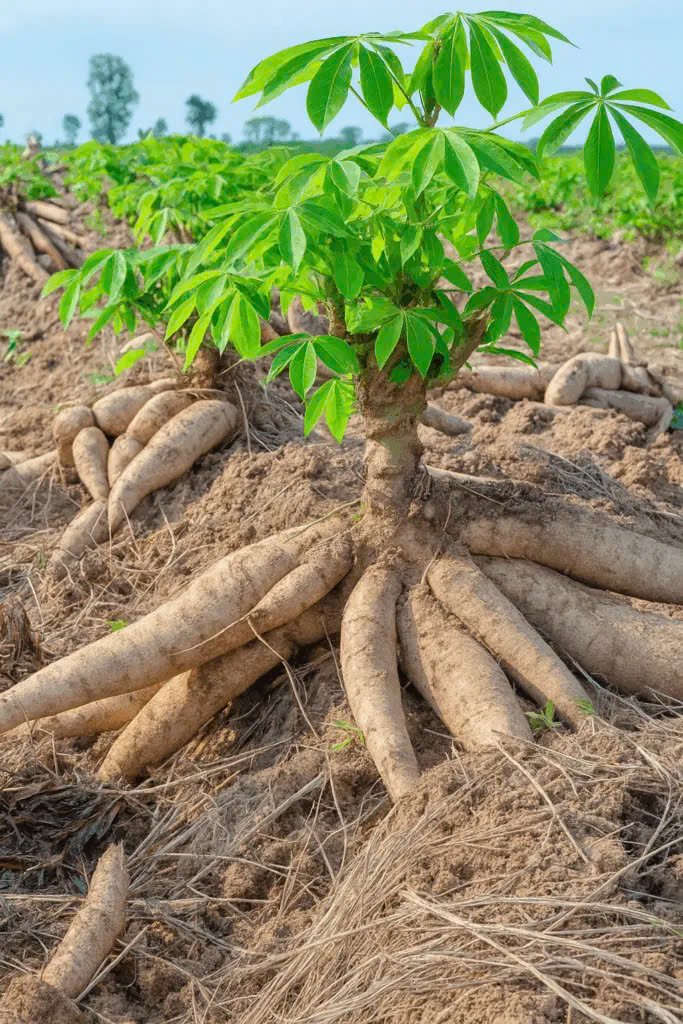
Table of Contents
ToggleThe gluten-free market is no longer limited to individuals with gluten sensitivities. Today, many consumers choose gluten-free products as part of their wellness and lifestyle preferences.
Popular gluten-free categories include:
As demand continues to grow, manufacturers require ingredients that deliver consistent performance without compromising taste or texture. This is where tapioca starch stands out.
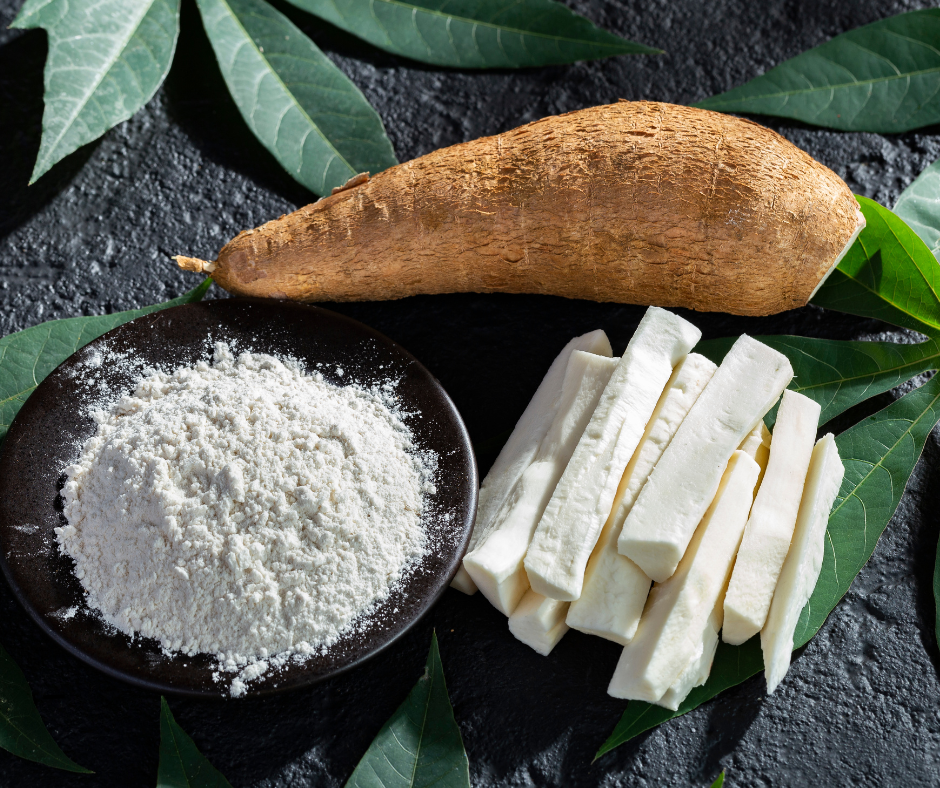
Derived from cassava roots, tapioca starch is naturally gluten-free and highly versatile. It offers several functional benefits that make it an attractive ingredient for food manufacturers.
These include:
Unlike some alternative starches, tapioca starch blends well with other ingredients and contributes to a superior eating experience.
One of the biggest challenges in gluten-free product development is achieving the right texture.
Without gluten, baked goods often become dry, crumbly, or dense. Tapioca starch helps overcome these challenges by improving elasticity and moisture retention.
Food manufacturers use tapioca starch to create:
These characteristics help manufacturers develop gluten-free products that closely resemble their conventional counterparts.
Consumers are increasingly paying attention to ingredient labels. They prefer products made with simple, recognizable ingredients and minimal processing.
Tapioca starch supports clean-label initiatives because it is:
This makes it an ideal choice for brands looking to position themselves within the premium and health-conscious food segments.
The versatility of tapioca starch allows it to be used in numerous food applications.
Tapioca starch improves softness, texture, and shelf life in gluten-free bread, cakes, and pastries.
Manufacturers use tapioca starch to enhance crispiness and create a pleasant mouthfeel in chips and extruded snacks.
Its excellent thickening properties help maintain a smooth and stable consistency in liquid applications.
Tapioca starch contributes to creamier textures in plant-based beverages, yogurts, and desserts.
Its stability during freezing and thawing makes it suitable for convenience foods and ready meals.
Beyond its technical performance, manufacturers value suppliers that can provide:
As global food production continues to expand, sourcing dependable ingredients has become increasingly important.
A trusted tapioca starch supplier can help manufacturers maintain product consistency, improve operational efficiency, and strengthen their supply chains.
Cassava is a renewable crop that is widely cultivated in tropical regions, making tapioca starch a sustainable ingredient for the future.
With growing interest in plant-based and gluten-free foods, the demand for tapioca starch is expected to continue increasing across international markets.
Manufacturers that invest in high-quality tapioca starch today will be better positioned to capitalize on emerging consumer trends tomorrow.
As the gluten-free food industry continues to evolve, tapioca starch remains one of the most valuable ingredients available to food manufacturers. Its ability to improve texture, support clean-label formulations, and perform consistently across multiple applications makes it an ideal choice for modern food production.
From bakery products and snacks to sauces and dairy alternatives, tapioca starch continues to help manufacturers create products that meet the expectations of today’s consumers.
If you are looking for a reliable supplier of premium tapioca starch, partnering with an experienced manufacturer can provide the consistency, quality, and supply stability needed to support long-term business growth.