CASHEW NUT SHELL OIL

CASHEW NUT SHELL OIL
RICE PROTEIN POWDER
RICE PROTEIN POWDER
DESICCATED COCONUT
In today’s competitive food industry, manufacturers are constantly seeking ingredients that improve product quality, enhance texture, and meet evolving consumer preferences. Among the many starches available on the market, tapioca starch has emerged as one of the most versatile and reliable thickening agents used in food production worldwide.
Derived from cassava roots, tapioca starch offers exceptional functionality, neutral taste, and excellent processing stability. These advantages make it the preferred choice for manufacturers producing sauces, soups, dairy products, bakery goods, snacks, and countless other food applications.
As consumer demand for clean-label and gluten-free products continues to grow, the popularity of tapioca starch is expected to increase even further. This article explores why tapioca starch has become the go-to thickener for food manufacturers and how it contributes to superior food products.
Table of Contents
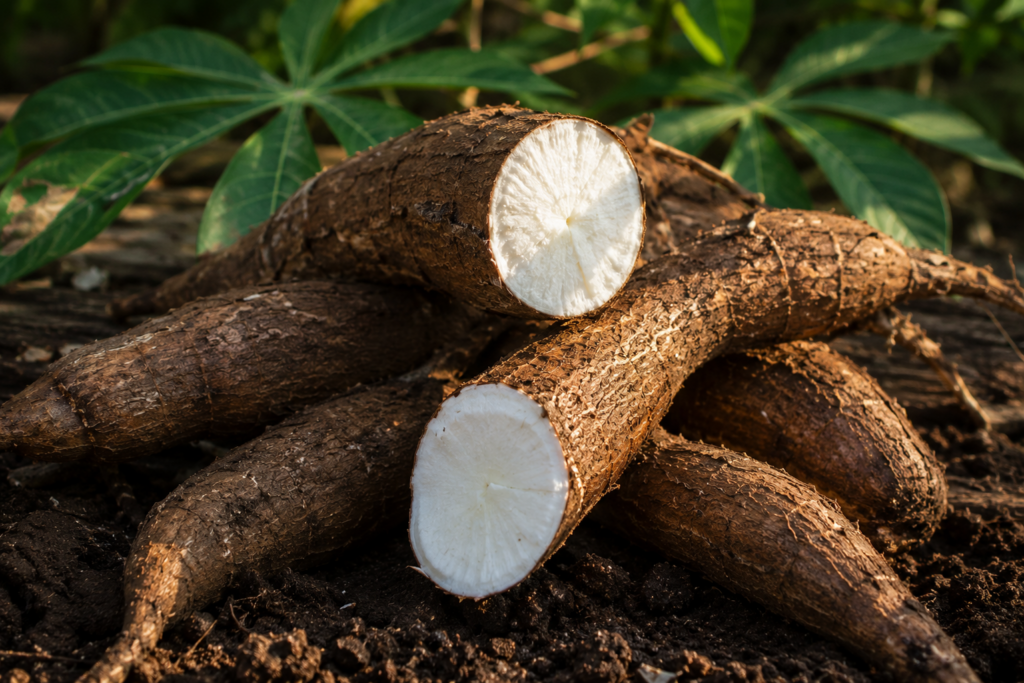
ToggleTapioca starch is a refined carbohydrate extracted from cassava roots (Manihot esculenta), a tropical crop widely cultivated in Southeast Asia, South America, and Africa.
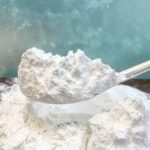
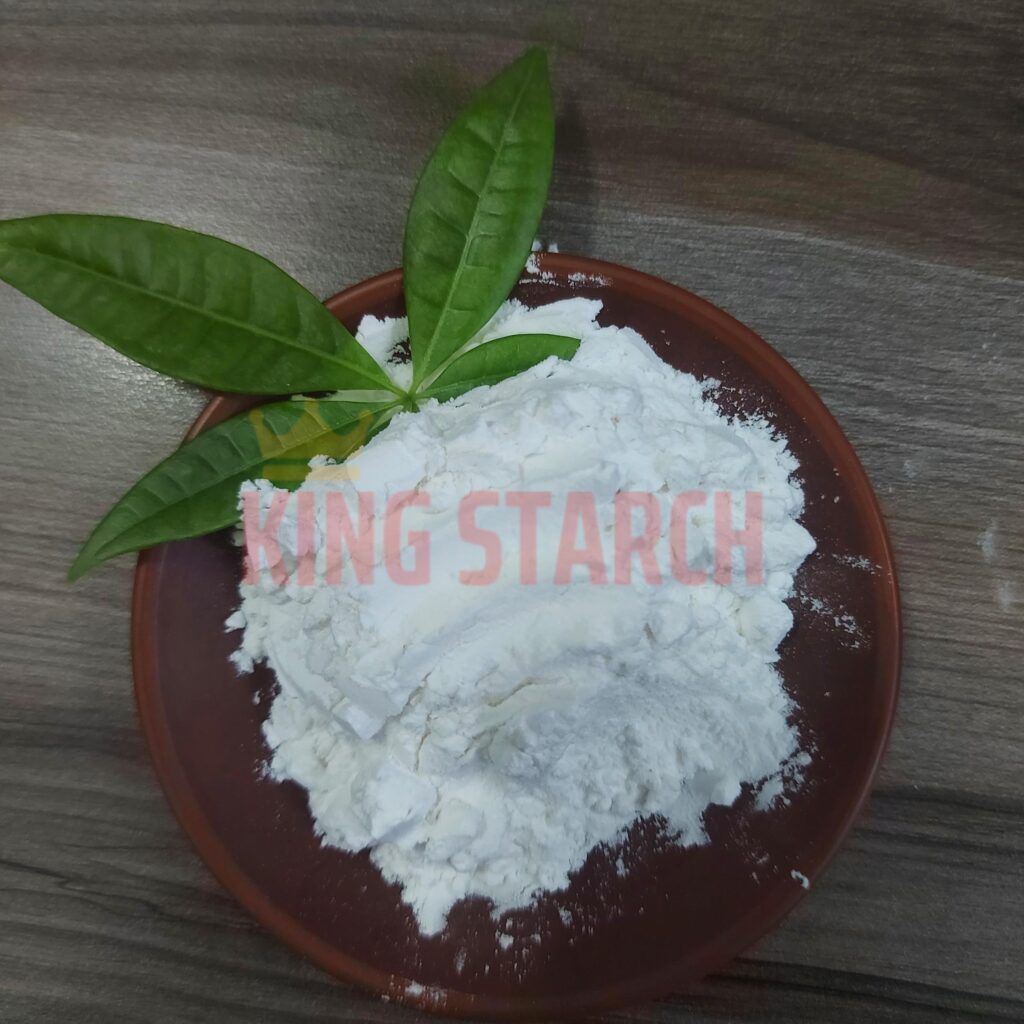
The extraction process involves washing, crushing, separating, filtering, and drying the starch from fresh cassava roots. The result is a fine white powder with exceptional purity and functional properties.
Unlike some other starches, tapioca starch has a neutral flavor and color, making it highly adaptable for a wide variety of food formulations without affecting the final product’s taste or appearance.
Food manufacturers evaluate ingredients based on performance, consistency, cost efficiency, and consumer acceptance. Tapioca starch excels in all of these areas.
One of the primary reasons manufacturers choose tapioca starch is its outstanding thickening capability.
When heated with water, tapioca starch rapidly gelatinizes and forms a smooth, stable texture. This characteristic makes it ideal for:
The resulting texture is smooth and glossy, which enhances product appearance and consumer appeal.
Unlike some starches that can impart a noticeable flavor or cloudy appearance, tapioca starch remains virtually neutral.
This allows manufacturers to preserve the intended taste, aroma, and visual characteristics of their products while still achieving the desired consistency.
For premium food products where flavor integrity is critical, this advantage is particularly valuable.
Texture plays a major role in consumer satisfaction.
Tapioca starch contributes to:
These qualities make it especially useful in products such as puddings, yogurts, sauces, and baked goods.
Today’s consumers increasingly prefer ingredient lists that are simple and recognizable.
Tapioca starch aligns perfectly with the clean-label trend because it is:
Food brands looking to simplify ingredient statements often replace synthetic thickeners or complex additives with tapioca starch.
This clean-label appeal can provide a significant marketing advantage in modern food markets.
The global gluten-free market continues to expand rapidly.
Because cassava naturally contains no gluten, tapioca starch is widely used in:
In gluten-free formulations, tapioca starch helps compensate for the structural properties normally provided by wheat gluten.
It improves elasticity, texture, and overall eating quality, resulting in products that more closely resemble traditional wheat-based foods.
Food manufacturers often face challenges with frozen and refrigerated products.
Many starches break down after repeated freezing and thawing cycles, causing water separation and undesirable texture changes.
Tapioca starch offers excellent freeze-thaw stability, helping products maintain consistency throughout storage and distribution.
This makes it highly suitable for:
The ability to maintain texture over time helps manufacturers improve product quality and reduce waste.
One reason tapioca starch is so widely used is its versatility.
In bakery applications, tapioca starch improves:
It is commonly used in bread, cakes, pastries, and gluten-free baked goods.
Dairy manufacturers use tapioca starch to enhance:
Common applications include:
Tapioca starch provides smooth viscosity and glossy appearance without masking flavors.
It is frequently used in:
Snack manufacturers value tapioca starch for its ability to improve texture and expansion.
Applications include:
In processed meat products, tapioca starch helps:
This functionality supports both product quality and manufacturing efficiency.
Beyond functionality, cost efficiency remains a major consideration for food manufacturers.
Tapioca starch provides:
Its strong thickening performance means relatively small amounts can achieve the desired functionality, helping manufacturers optimize production costs.
As global cassava production continues to grow, tapioca starch remains one of the most economical starch solutions available to the food industry.
Cassava is recognized as a highly efficient crop with strong adaptability to tropical climates.
Compared to many other agricultural crops, cassava offers:
Major exporting countries such as Vietnam, Thailand, and Indonesia continue to invest in advanced starch processing technologies to meet increasing international demand.
This robust supply chain ensures manufacturers can source high-quality tapioca starch consistently.
To maximize product quality, food manufacturers should select suppliers that offer:
A trusted supplier can help ensure stable product performance and long-term business success.
As food manufacturers seek ingredients that deliver superior functionality, clean-label appeal, and cost efficiency, tapioca starch continues to stand out as the preferred thickener across multiple food categories.
Its neutral taste, exceptional thickening power, smooth texture, freeze-thaw stability, and gluten-free properties make it an invaluable ingredient in modern food production. From bakery products and dairy applications to sauces, snacks, and processed foods, tapioca starch consistently helps manufacturers create products that meet both industry requirements and consumer expectations.
With growing global demand for natural and functional ingredients, tapioca starch is well-positioned to remain the go-to thickener for food manufacturers around the world.
Looking for a reliable supplier of high-quality tapioca starch? Contact us today to learn more about our food-grade starch solutions and export capabilities.