CASHEW NUT SHELL OIL

CASHEW NUT SHELL OIL
RICE PROTEIN POWDER
RICE PROTEIN POWDER
DESICCATED COCONUT
Soft Dried Mango Supplier selection is an important decision for importers, distributors, food manufacturers and private-label brands. A competitive quotation may attract initial attention, but price alone does not guarantee consistent product quality, reliable delivery or suitability for the destination market.
Soft dried mango can vary in sweetness, color, texture, moisture, slice size and ingredient composition. These differences may affect consumer acceptance, packaging performance and production efficiency. Choosing the right Soft Dried Mango Supplier therefore requires a structured evaluation of product specifications, quality-control procedures, documentation, production capability and commercial terms.
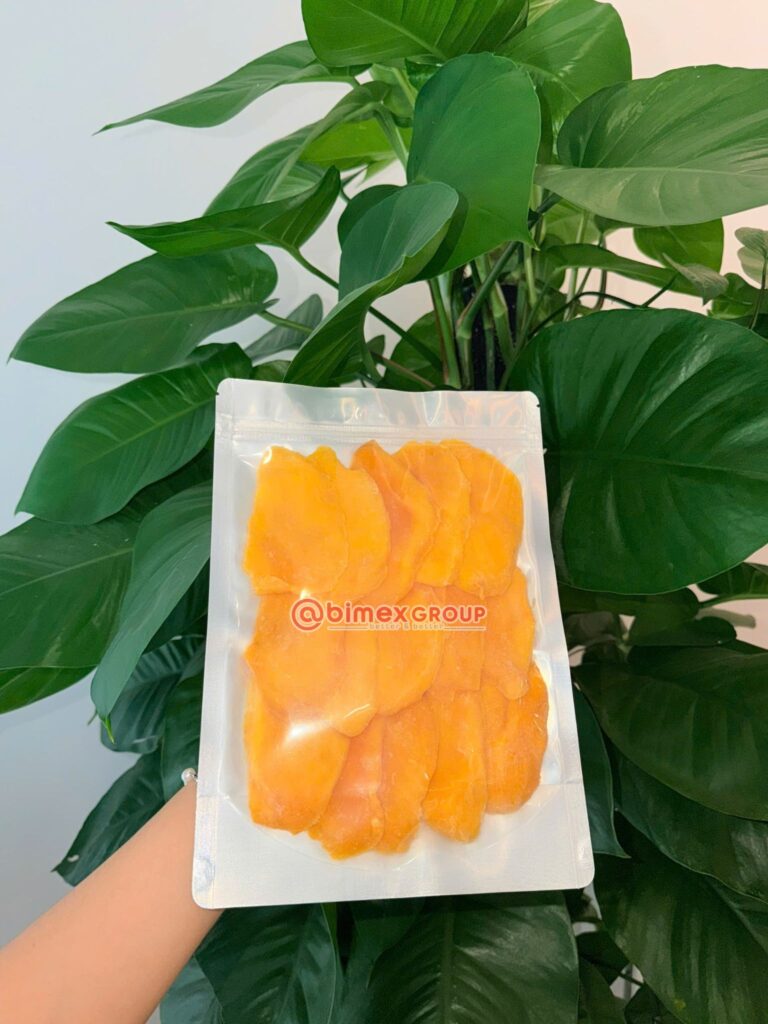
Table of Contents
ToggleA reliable sourcing process should begin with a clear definition of your requirements. Before contacting suppliers, identify the preferred formulation, target market, packaging format, expected order volume and intended application.
Important requirements may include:
Providing detailed requirements allows suppliers to prepare a more accurate specification and quotation. It also reduces the risk of comparing products that appear similar but have different formulations or quality standards.
The product specification is one of the most important documents in a bulk purchase. It should describe the product clearly rather than relying on broad terms such as “premium mango” or “export quality.”
A useful specification may include:
A dependable Soft Dried Mango Supplier should provide measurable parameters that can later be used during quality inspection. Buyers should also confirm which testing methods apply and whether the specification represents normal commercial production.
Product descriptions should not replace numerical limits. Terms such as “natural color,” “soft texture” or “low moisture” may be interpreted differently unless they are supported by an agreed specification or approved reference sample.
Soft dried mango is available in different formulations. Some products contain added sugar to create a sweeter and more uniform flavor, while others are manufactured without adding sugar. However, no-added-sugar mango still contains naturally occurring sugars from the fruit and should not automatically be described as “sugar-free” or “zero sugar.”
Buyers should confirm:
Marketing terms such as “natural,” “clean label,” “no added sugar” and “preservative-free” may be regulated or interpreted differently across markets. Buyers should request a complete ingredient list and verify the proposed claim against the labeling rules of the importing country.
Sulfur dioxide may be used in some dried-fruit products to support color stability and preservation. Buyers should not rely only on broad statements such as “low SO₂” or “SO₂-free.”
Instead, confirm:
Labeling obligations may depend on both the residual level and the technical function of the sulfiting agent. Requirements also vary among markets. The purchase specification should therefore state the agreed limit, while the final label should be reviewed according to the applicable regulations in the importing country.
Samples allow buyers to examine the product before committing to a bulk shipment. However, an attractive sample does not automatically prove that every production lot will have identical quality.
When evaluating a sample, check:
Ask each Soft Dried Mango Supplier to explain whether the sample comes from regular production, a specific batch or a specially prepared reference lot. For larger purchases, buyers may also request a representative production sample, a pre-shipment sample or third-party inspection based on an agreed sampling method.
If the mango will be used in bakery, cereal, confectionery or snack manufacturing, conduct a small application trial. A product that performs well as a standalone snack may behave differently when mixed, baked, coated or packed with other ingredients.
A supplier should provide the documents relevant to the product, production facility and destination market. Depending on the transaction, these may include:
Buyers should verify that each certificate covers the actual manufacturing facility, relevant product category and stated scope. If the exporter and manufacturer are different entities, their respective roles should be documented clearly. An exporter may legitimately supply products manufactured by a certified facility, but the manufacturer’s certificate should not be presented as if it were issued directly to another company.
A professional Soft Dried Mango Supplier should also explain which parameters are tested for every production lot and which are monitored periodically or tested upon request. Buyers should not assume that every item listed in a specification automatically appears on each shipment’s COA.
A batch-specific Certificate of Analysis should normally identify the product, production lot, testing date, applicable specification limits and actual test results. A typical or reference COA may help buyers understand the supplier’s testing format, but it does not establish conformity of a future shipment.
Mango is an agricultural product, so natural differences in variety, maturity, growing conditions and season may influence color, sweetness and texture. A capable supplier should have procedures for managing this variation within the agreed commercial tolerance.
Useful questions include:
The objective is not to demand that every mango slice look identical. Natural variation is expected, but it should remain within the approved specification.
Buyers should be cautious when a supplier promises perfect uniformity without defining measurable limits. A realistic specification with clear tolerances is more useful than an unsupported promise of flawless consistency.
A good sample is useful only if the supplier can reproduce the approved quality at the required volume. Ask about production lead time, raw-material seasonality, realistic production capacity and advance-booking requirements.
The supplier should understand:
For recurring purchases, consider beginning with a trial shipment before confirming a long-term schedule. The first commercial lot allows the buyer to evaluate product consistency, documentation, packaging and communication under actual export conditions.
Do not rely only on a stated maximum monthly capacity. What matters is whether the supplier can allocate sufficient raw materials, production time and quality-control resources to the buyer’s specific orders.
Packaging affects moisture protection, hygiene, shelf-life performance and resistance to international transport conditions. Buyers should confirm the packaging material, inner liner, sealing method, carton strength, net weight and labeling requirements.
For bulk food manufacturing, packaging should support efficient handling and protect the mango from moisture, contamination and external odors. For retail products, additional considerations may include pouch format, artwork, barcode, nutritional panel, language requirements and carton configuration.
If customized packaging is required, clarify:
A digital mock-up is useful for checking artwork, but it may not demonstrate the actual strength, seal quality or barrier performance of the finished package. Where practical, buyers should approve a physical packaging sample before mass production.
The lowest quotation may not represent the lowest total purchasing cost. Product inconsistency, unsuitable packaging, rejected shipments or delayed delivery can create expenses far greater than a small difference in unit price.
A professional Soft Dried Mango Supplier should clearly communicate:
Make sure competing quotations are based on the same formulation, specification, packaging and delivery term. Comparing a sugar-added product with a no-added-sugar product, or standard bulk packaging with customized retail packaging, can produce a misleading price comparison.
Reliable communication is essential in international trade. Pay attention to whether the supplier answers technical questions clearly, confirms agreements in writing and identifies potential constraints before accepting the order.
Warning signs may include:
Good communication does not mean agreeing to every request. A trustworthy supplier should explain technical limitations, natural product variation and realistic lead times rather than making commitments that may be difficult to fulfill.
Before approving a Soft Dried Mango Supplier, request the final product specification and identify the sample that represents the agreed target quality. Where included in the buyer–supplier quality agreement, both parties may retain sealed reference samples for future comparison.
However, a reference sample should not replace measurable acceptance criteria. Color, texture and flavor may be judged differently by different people, so important requirements should be documented wherever possible.
The purchase contract should also clarify:
These terms create a more objective basis for comparing the delivered product with the buyer’s approved requirements.
The right Soft Dried Mango Supplier should offer more than an attractive price. A sustainable purchasing relationship depends on consistent specifications, transparent documentation, realistic production planning and effective communication.
Buyers who evaluate these factors before placing a bulk order are better positioned to reduce sourcing risk and maintain stable product quality across future shipments.
If you are searching for a Soft Dried Mango Supplier in Vietnam, Abimex Group supports importers, distributors, food manufacturers and private-label businesses with bulk sourcing solutions.
Our soft dried mango range includes standard and no-added-sugar options, subject to the agreed product specification. Our team can provide product information, packaging options and samples to support your evaluation process.
Contact Abimex Group to discuss your preferred formulation, sulfur dioxide requirement, cut size, packaging format, order quantity and destination market.