CASHEW NUT SHELL OIL

CASHEW NUT SHELL OIL
RICE PROTEIN POWDER
RICE PROTEIN POWDER
DESICCATED COCONUT
Table of Contents
ToggleDesiccated coconut has become an increasingly popular ingredient in the global food market thanks to its natural taste, nutritional value, and wide range of applications. Made from fresh, mature coconuts that are peeled, grated, blanched, and carefully dried, desiccated coconut retains the rich aroma and mild sweetness of coconut while offering a long shelf life and convenient storage. Today, it is widely used in bakery products, confectionery, snacks, cereals, and even savory dishes.
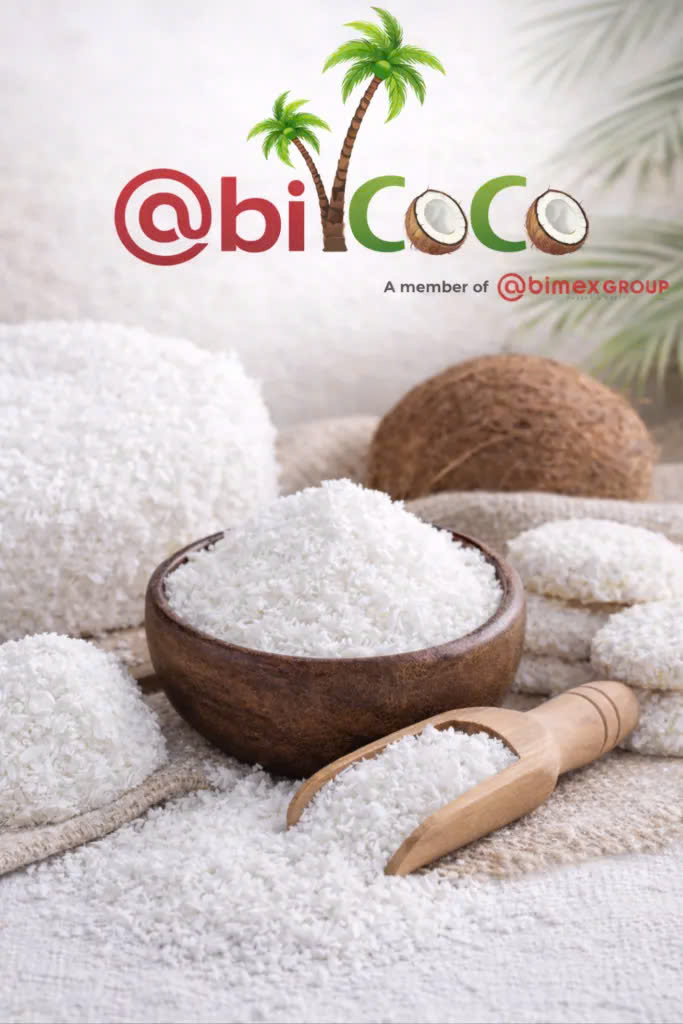
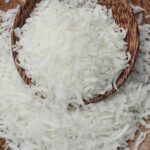
Desiccated coconut is produced from fresh, mature coconuts that are carefully shelled, washed, grated, blanched, and dried under controlled conditions. By removing most of the moisture, manufacturers obtain a stable product that preserves the natural flavor and oil content of coconut meat.
Available in fine, medium, and extra-fine grades, coconut flakes can be tailored to different production needs. High-quality dried coconut meat is typically bright white, free from foreign matter, and consistent in texture—key requirements for industrial buyers and global brands.
One powerful reason for the rising demand for desiccated coconut is its nutritional profile. It is naturally rich in dietary fiber and healthy fats, including medium-chain triglycerides (MCTs), which are widely recognized for supporting energy metabolism.
As a gluten-free and plant-based ingredient, dried coconut is suitable for vegan, vegetarian, and gluten-intolerant consumers. These attributes make it especially attractive for manufacturers targeting health-conscious and specialty food segments, including keto-friendly and low-carb products.
The versatility of coconut-based ingredients allows them to be used in a wide range of applications. In bakery and confectionery, coconut flakes enhance texture and flavor in cakes, cookies, biscuits, and chocolate bars. In breakfast products, they are commonly added to granola, cereal blends, and energy bars.
In addition, dried coconut meat is widely used in traditional cuisines across Asia, the Middle East, and Europe, appearing in desserts, snacks, and savory recipes. This flexibility makes it a valuable component for both mass-market and niche food products.
Vietnam has emerged as a reliable source of premium coconut ingredients, supported by abundant raw materials and improving processing capabilities. The Mekong Delta region, in particular, offers ideal growing conditions for coconuts, enabling consistent supply throughout the year.
Vietnamese suppliers have invested in modern production lines and strict quality control systems to meet international standards. As a result, products from Vietnam are increasingly trusted by buyers in demanding export markets.
One notable exporter is Abimex Group, which works closely with local farmers and processors to deliver dried coconut products that meet global food safety and quality requirements. Through a transparent supply chain and customer-oriented approach, the company supports long-term partnerships with international clients.
For global distribution, desiccated coconut must comply with strict food safety regulations such as HACCP, ISO, and FDA standards. Leading suppliers focus on controlling moisture content, microbiological safety, and product consistency to ensure reliability across shipments.
Packaging options such as bulk bags, retail-ready formats, and private labeling further enhance export flexibility. These factors allow coconut ingredients from Vietnam to serve diverse markets, including the United States, Europe, the Middle East, and Asia-Pacific.
Sustainability has become a key purchasing criterion for international buyers. Coconut-based products sourced from responsible farming practices and efficient processing methods align well with this trend. Compared to many other crops, coconuts offer high yield and multiple by-products, contributing to reduced waste and better resource utilization.
As global consumers continue to prioritize natural and traceable ingredients, the demand for high-quality dried coconut products is expected to grow steadily.
Desiccated coconut remains a powerful and adaptable ingredient in the global food industry. Its nutritional value, wide range of applications, and compatibility with modern dietary trends make it a long-term staple for food manufacturers worldwide.
With Vietnam’s strong coconut supply chain and experienced exporters such as Abimex Group, buyers can confidently source premium coconut flakes that meet both quality expectations and evolving market demands. Whether used in bakery, snacks, or health-oriented products, this dried coconut ingredient continues to drive innovation across global food markets.