CASHEW NUT SHELL OIL

CASHEW NUT SHELL OIL
RICE PROTEIN POWDER
RICE PROTEIN POWDER
DESICCATED COCONUT
Oil content in vacuum-fried jackfruit chips is an important specification for importers, distributors, snack brands, and private-label buyers evaluating product quality. While vacuum frying is often associated with lower-temperature processing compared with conventional atmospheric frying, buyers should not assume that every vacuum-fried product will have the same oil level.
The final oil content can depend on raw material characteristics, slice thickness, frying conditions, oil-draining or deoiling steps, equipment settings, and the finished-product specification.
For B2B sourcing, the most useful approach is to review the supplier’s specification sheet carefully and understand how oil content relates to texture, mouthfeel, consistency, labeling, and product positioning.
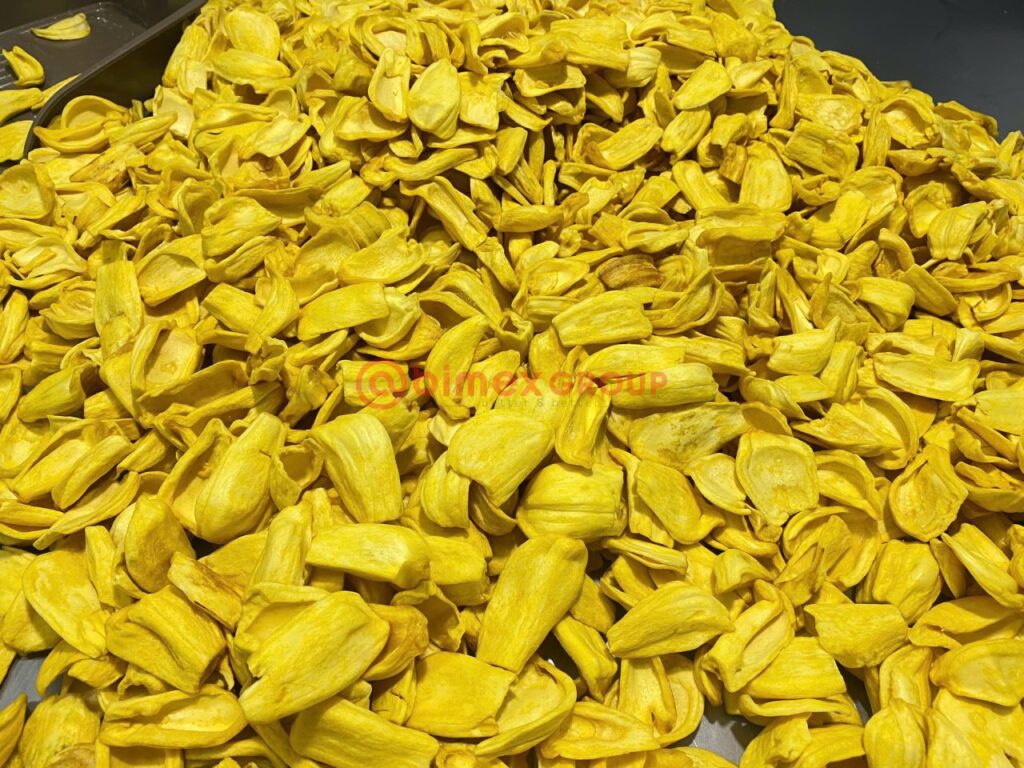
Table of Contents
ToggleOil is part of the eating experience of fried snack products. It contributes to mouthfeel, flavor delivery, crispness, and overall sensory perception.
However, too much surface oil may make a product feel greasy, while a very different processing profile may produce a lighter or drier eating experience. Neither characteristic should automatically be considered better without considering the target product.
For buyers, oil content in vacuum-fried jackfruit chips should therefore be evaluated against the intended market and agreed specification rather than judged in isolation.
A premium retail snack, a value-oriented product, and a private-label line may each have different expectations for texture and sensory profile.
The first thing buyers should look for is whether the specification sheet includes an oil or fat-related parameter.
Depending on the supplier, the document may use wording such as:
These terms are not always interchangeable in every technical context, so buyers should confirm exactly what the value represents and which test method is being used.
A specification sheet should ideally indicate both the target or acceptable range and the unit of measurement.
When comparing suppliers, buyers should avoid looking only at the number. A figure without a method, tolerance, or agreed specification provides limited information.
Vacuum frying generally takes place under reduced pressure, allowing water to evaporate at lower temperatures than under normal atmospheric frying conditions.
This processing environment can influence texture, color, moisture removal, and oil uptake. However, the finished product still depends heavily on how the process is controlled.
Factors that may influence oil content in vacuum-fried jackfruit chips include:
This means the phrase “vacuum-fried” alone does not tell a buyer exactly how much oil is present in the final snack.
The actual specification is more useful than relying on the processing name as a quality shortcut.
Oil content should not be reviewed separately from moisture.
In fried fruit chips, moisture removal is closely connected with the development of a crisp texture. As water leaves the fruit structure during processing, changes occur that can affect how much oil is retained.
For B2B buyers, checking both moisture and fat-related specifications can provide a better picture of the finished product.
A snack that feels especially oily may not necessarily have a problem with oil alone. Texture perception can also be influenced by moisture, slice thickness, surface condition, and serving temperature.
When evaluating oil content in vacuum-fried jackfruit chips, sensory testing should therefore complement the technical specification.
The specification sheet or ingredient declaration should also identify the oil used in production.
Different oils can influence flavor, aroma, oxidative stability, nutritional labeling, and market positioning.
Buyers may need to confirm:
It is important not to assume which oil is used simply because the product is vacuum-fried.
If a buyer has a specific requirement, such as a preferred frying oil or ingredient restriction, this should be communicated before sample approval or commercial production.
One common sourcing mistake is comparing figures from different specification sheets without checking how those figures were measured.
For example, two suppliers may report fat or oil values using different test methods, reporting formats, or analytical bases.
Before deciding that one product has a lower oil content in vacuum-fried jackfruit chips, buyers should confirm that the results are directly comparable.
Useful questions include:
This is especially important for procurement teams comparing multiple suppliers.
A specification sheet is essential, but it cannot fully describe how a snack tastes or feels.
Product samples should also be evaluated for:
A technically acceptable oil level may still produce a sensory experience that does not match the target market.
Likewise, a product with a slightly different fat specification may perform better in a particular retail concept.
This is why B2B buyers should combine technical data with sensory evaluation before approving a product.
Consistency matters as much as the target number.
A supplier may provide a product with an acceptable average oil content, but buyers should also understand how tightly the process is controlled between batches.
Variation can be influenced by agricultural raw materials, slice dimensions, processing conditions, equipment operation, and quality-control practices.
When reviewing oil content in vacuum-fried jackfruit chips, buyers may want to ask how the supplier monitors production consistency and whether relevant parameters appear on the Certificate of Analysis when required.
This is particularly important for private-label products, where consumers expect a similar texture and eating experience from one pack to the next.
Oil quality can also change after processing.
Exposure to oxygen, heat, light, and unsuitable storage conditions may contribute to oxidation over time, which can affect aroma and flavor.
Packaging therefore plays a supporting role in maintaining overall product quality.
Buyers should consider:
Oil content alone cannot explain every quality change during storage. A complete sourcing review should also consider packaging and handling.
When reviewing oil content in vacuum-fried jackfruit chips, a B2B buyer should ideally look beyond one percentage value.
A practical specification review may include:
For private-label or high-volume projects, buyers may also request samples and supporting documentation before approving a commercial order.
Clear specifications help reduce misunderstandings and make it easier to compare products on the same technical basis.
The right oil content in vacuum-fried jackfruit chips depends on the overall product concept.
A lower number should not automatically be interpreted as better quality, just as a higher number should not automatically indicate a poor product. Texture, flavor, moisture, raw material quality, processing consistency, packaging, and market expectations all matter.
For buyers, the objective is to identify a product that meets both technical specifications and the desired sensory profile.
A clear specification sheet, combined with sample evaluation and supplier communication, provides a much stronger basis for purchasing decisions than focusing on one parameter alone.
Abimex Group supports international B2B buyers sourcing jackfruit chips and other processed fruit products for retail, wholesale, distribution, and private-label applications.
If you are evaluating oil content in vacuum-fried jackfruit chips, product specifications, packaging options, ingredient requirements, or export needs, Abimex Group can support discussions around the requirements of your target market.
Contact Abimex Group to discuss your jackfruit chips specifications, packaging preferences, and sourcing requirements for your business.