
CASHEW NUT SHELL OIL

Choosing native vs modified tapioca starch is not about deciding which ingredient is universally “better.” For industrial food manufacturers, the right choice depends on what happens to the starch during processing and what texture must remain throughout the product’s shelf life.
As a tapioca starch manufacturer, we recommend starting with seven practical processing questions.
Native tapioca starch develops viscosity when heated in water, making it suitable for many relatively mild cooking processes.
However, prolonged heating, retort processing or other severe thermal conditions may cause native starch granules to lose structure and viscosity.
Modified tapioca starch can be designed for greater thermal resistance, helping manufacturers maintain more consistent viscosity after demanding heat treatment. Modified starches are widely used commercially where heat, acid and shear tolerance are required.
Acidity can significantly affect starch performance.
In acidic products such as fruit fillings, tomato sauces, dressings and certain beverages, native starch may become less stable during heating.
For low-pH formulations, specific modified tapioca starch grades can provide better viscosity retention under combined acid and heat stress. Some commercial modified tapioca starches are specifically engineered for broad pH tolerance.
High-speed mixing, pumping, homogenization and continuous processing can place mechanical stress on swollen starch granules.
If the process uses relatively gentle agitation, native tapioca starch may deliver the required thickening and smooth texture.
Under intensive shear, manufacturers often select a modified starch designed to maintain viscosity despite mechanical processing. Tate & Lyle notes that over-processing starches with insufficient process tolerance can break down swollen granules and reduce viscosity.
Frozen sauces, fillings, ready meals and other temperature-cycled products present another challenge.
Repeated freezing and thawing can cause water separation or syneresis in some starch systems. Modified starches can be engineered to improve freeze-thaw stability and maintain a more consistent texture during storage.
Tapioca starch is valued for its relatively clean flavor, smooth mouthfeel and useful thickening properties.
But “high viscosity” alone is not a sufficient specification.
Ask whether your product requires:
Different starch modifications can produce very different rheological profiles even when they come from the same cassava raw material.
Traditional cook-up starches require sufficient heating to develop their functionality.
If your factory produces instant soups, dry mixes, cold-prepared sauces or other products where cooking is limited, a pregelatinized or instant modified tapioca starch may be more appropriate because it can develop viscosity without conventional cooking.
The final question is often the most important.
A formulation can look perfect immediately after production but change during storage.
Evaluate viscosity retention, water separation, texture, refrigeration stability and freeze-thaw behavior under your actual production and storage conditions.
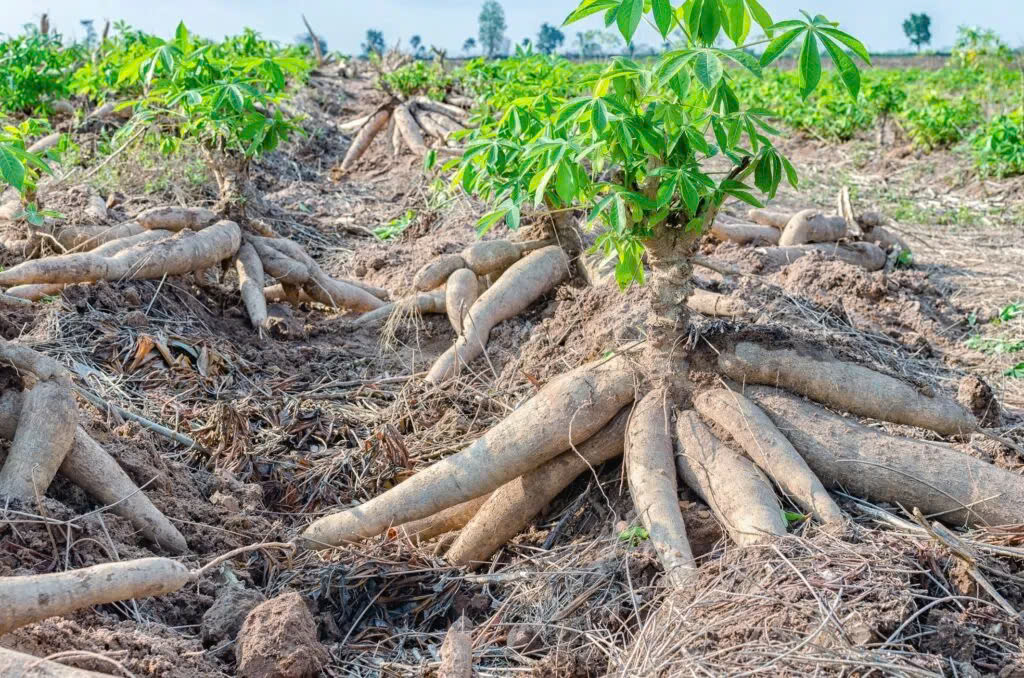
Choose starch based on the processing challenge, not simply the ingredient name.
Native tapioca starch can be highly effective in suitable processing conditions, while modified tapioca starch provides additional functionality when greater resistance to heat, acid, shear, freezing or long-term storage is required.
At Kingstarch Vietnam, we manufacture and supply tapioca starch solutions for industrial food applications. Share your application, processing temperature, pH, shear conditions and required final texture with our technical team, and we can help identify the most suitable tapioca starch grade for your production line.