CASHEW NUT SHELL OIL

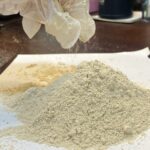
CASHEW NUT SHELL OIL
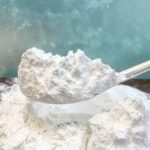
RICE PROTEIN POWDER
RICE PROTEIN POWDER
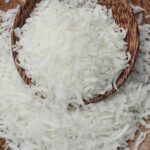
DESICCATED COCONUT
Modified tapioca starch in mayonnaise is a key ingredient widely used by food manufacturers to improve texture, stabilize emulsions, and optimize production costs. With the growing demand for high-quality and clean-label condiments in global markets, modified starch has become an essential component in modern mayonnaise formulations.
Derived from cassava, this versatile ingredient offers excellent performance in acidic and high-shear processing conditions, making it ideal for industrial-scale production and export.
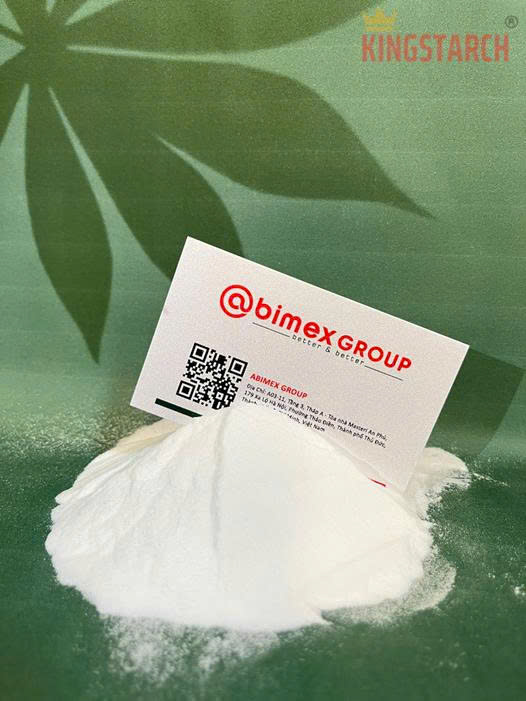
Modified tapioca starch is a processed form of cassava starch that has been physically, enzymatically, or chemically treated to enhance its functional properties.
Key Functional Properties:
These features make it highly suitable as a food starch in mayonnaise and dressings.
Modified tapioca starch acts as an effective thickener, creating a smooth, creamy, and consistent texture that meets consumer expectations.
In mayonnaise, maintaining a stable oil-in-water emulsion is critical. Modified starch works alongside emulsifiers (such as egg yolk) to prevent phase separation and improve product stability.
As a starch-based fat replacer, it helps reduce oil content while maintaining mouthfeel, making it ideal for low-fat or reduced-calorie mayonnaise.
Mayonnaise typically has a low pH due to vinegar or lemon juice. Modified tapioca starch maintains its functionality in acidic environments and under high processing stress.
Consistent Product Quality
Ensures uniform viscosity, appearance, and mouthfeel across production batches.
Cost Efficiency
Reduces dependency on expensive ingredients like oil and egg yolk, optimizing formulation costs.
Extended Shelf Life
Improves emulsion stability and minimizes water separation during storage and transportation.
Clean Label Opportunities
Certain grades of modified tapioca starch meet clean-label requirements, supporting current consumer trends.
Applications Beyond Mayonnaise
Modified tapioca starch is widely used in various food applications, including:
This versatility makes it a strategic ingredient for food producers targeting multiple export categories.
Technical & Export Considerations
For international buyers and manufacturers, selecting the right product is essential:
When sourcing modified tapioca starch for mayonnaise, consider:
A reliable supplier can help optimize formulations and ensure compliance with target market regulations.
Modified tapioca starch in mayonnaise is a highly functional ingredient that enhances texture, stability, and overall product quality while reducing production costs. Its adaptability to different formulations and compliance with international standards make it an ideal choice for food manufacturers and exporters.
For businesses looking to stay competitive in the global condiment market, investing in the right modified starch solution is a strategic advantage.