CASHEW NUT SHELL OIL

How desiccated coconut is made is a question many importers, distributors, and food manufacturers ask before they place their first bulk order. The answer matters because the way fresh coconut is turned into a dry, shelf-stable ingredient directly affects its flavor, color, moisture stability, and performance in bakery, confectionery, snack, and dairy applications.
At Abimex Group, understanding how desiccated coconut is made is the starting point for every conversation with a new buyer. This article walks through the full production journey, from fresh coconut in the field to the finely graded, export-ready ingredient that arrives in a customer’s warehouse.
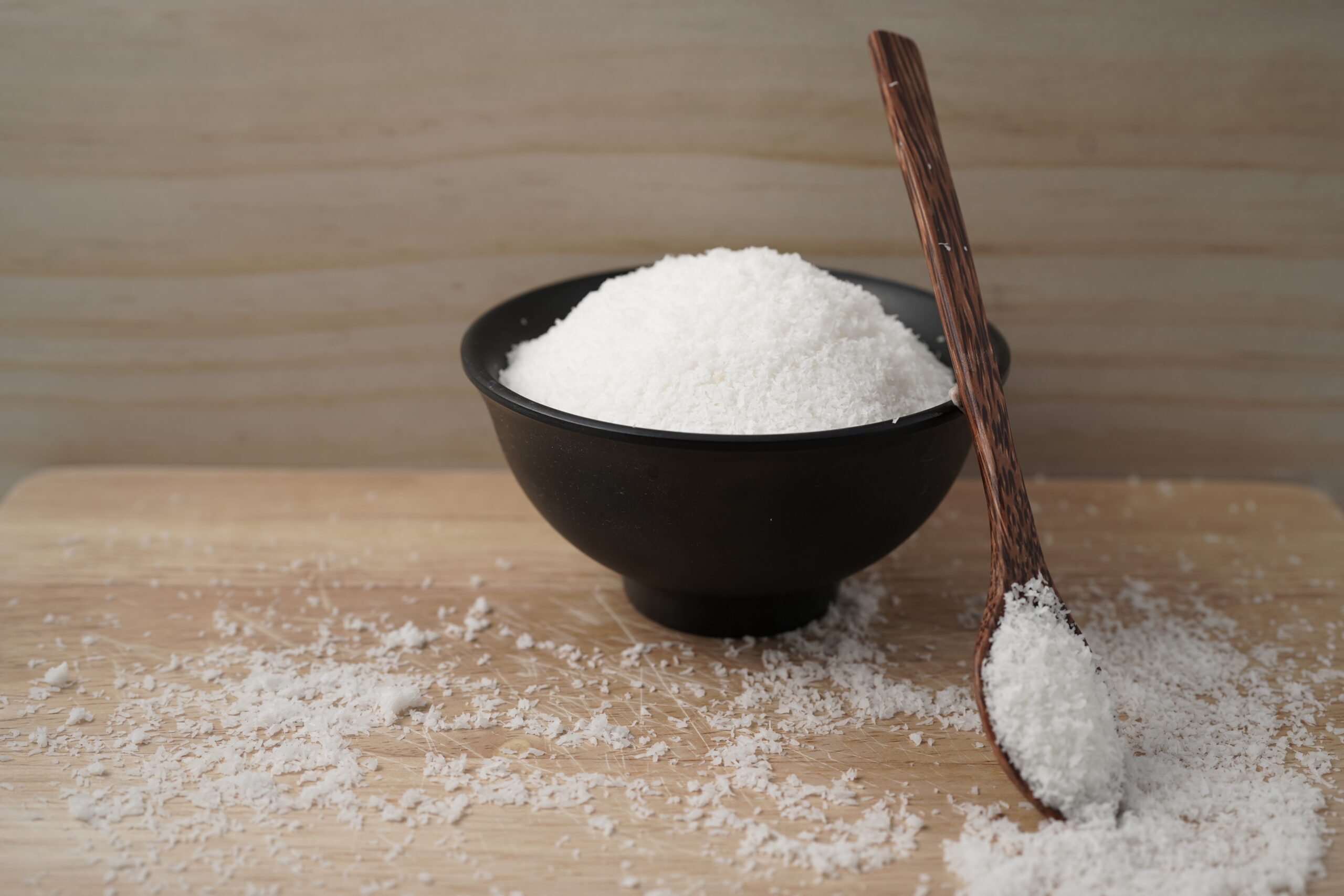
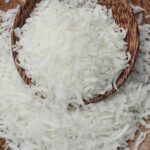
Desiccated coconut is the dried, shredded, or ground meat (kernel) of mature coconuts, with most of the natural moisture removed through controlled drying. Unlike coconut flour or coconut milk powder, desiccated coconut retains the coconut’s natural oil content, giving it a rich flavor and a texture that ranges from fine powder-like grains to larger flakes or chips, depending on the grade.
The process of how desiccated coconut is made begins long before the factory gate. Only fully mature coconuts, typically 11 to 12 months old, are selected. Mature coconuts have thicker, firmer meat and a higher oil content than young coconuts, which is essential for the flavor and shelf stability of the finished product. Immature nuts produce a wetter, softer kernel that is unsuitable for desiccation.
Once harvested, coconuts are dehusked to remove the thick fibrous outer layer, and the hard shell is cracked open. Workers or automated equipment then separate the white coconut meat from the shell. Speed matters at this stage, because fresh coconut meat begins to oxidize once exposed to air, and any delay can affect the final color and taste.
The separated coconut meat still carries a thin brown testa (skin) on its outer surface. This layer is removed in a process called paring, usually with mechanical paring machines, to leave clean white kernel. The pared meat is then washed thoroughly with clean, potable water to remove residual dirt, shell fragments, and surface contaminants before further processing.
The washed coconut meat is fed into shredding, grating, or grinding equipment, depending on the target grade. This is the stage that ultimately determines whether the final product will be classified as Fine, Medium, Flakes, or Chips. Consistent feeding speed and blade condition are important here, since uneven cutting creates an inconsistent particle-size distribution in the finished batch.
Many producers pass the shredded coconut through a short blanching or hot-water treatment step before drying. This helps to reduce the initial microbial load, deactivate certain enzymes that could affect flavor stability, and set the color of the meat. Proper time and temperature control at this stage is important, because over-blanching can affect texture, while under-treatment leaves food-safety risks for later stages.
Drying is the step that gives desiccated coconut its name and its shelf-stable character. The shredded coconut is dried in continuous or batch dryers under controlled temperature and airflow until moisture content falls to a target range, typically below 3%. Drying must be carefully managed: temperatures that are too high can scorch the coconut and darken its color, while insufficient drying leaves excess moisture that encourages clumping, mold growth, and a shortened shelf life.
After drying, the coconut passes through a series of sieves to sort it into standardized particle-size grades, most commonly Fine, Medium, Flakes, and Chips. Sieving equipment must be regularly checked and calibrated, since worn mesh or inconsistent sieving speed can allow oversized or undersized particles to slip into the wrong grade, creating quality complaints from buyers who require a specific particle-size distribution for their recipes.
Before packaging, representative samples from each production batch are tested in the laboratory. Typical parameters include moisture content, fat content, free fatty acid, peroxide value, color, aroma, and microbiological indicators such as total plate count, yeast and mold, coliforms, E. coli, and Salmonella. A Certificate of Analysis is issued for each batch, allowing buyers to confirm that the shipment matches the agreed product specification.
Finally, the finished desiccated coconut is packed into food-grade inner liners and outer bags or cartons sized to the buyer’s requirements, from retail-ready pouches to 20kg or 25kg bulk export bags. Proper sealing and moisture-barrier packaging are essential, since desiccated coconut can reabsorb humidity from the surrounding air if packaging integrity is compromised during storage or transportation.
Understanding how desiccated coconut is made helps buyers ask sharper questions during supplier evaluation. Instead of comparing price alone, importers and food manufacturers can ask about harvest maturity standards, blanching parameters, drying temperature control, sieving calibration, and packaging specifications. Each of these steps has a direct, measurable effect on the color, aroma, moisture stability, and particle-size consistency of the coconut that eventually arrives at their facility.
How desiccated coconut is made is ultimately a story of careful, connected steps, from selecting the right coconut in the field to sealing the finished product in export-ready packaging. Skipping or rushing any single stage can affect the flavor, color, texture, or shelf stability of the final ingredient.
In short, how desiccated coconut is made comes down to disciplined process control at every stage, and buyers who understand how desiccated coconut is made can ask sharper, more specific sourcing questions.
Abimex Group produces Vietnamese desiccated coconut in Fine, Medium, Flakes, and Chips grades, with full control over sourcing, processing, quality testing, and export packaging. Our team is glad to share our production process, specifications, and samples with importers, distributors, and food manufacturers who want to understand exactly how their desiccated coconut is made before placing an order.
Contact Abimex Group to request product specifications, quotations, or samples for your desiccated coconut sourcing needs.