CASHEW NUT SHELL OIL

CASHEW NUT SHELL OIL
RICE PROTEIN POWDER
RICE PROTEIN POWDER
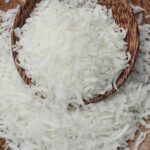
DESICCATED COCONUT
Desiccated coconut supply is influenced by more than processing capacity alone. Before coconut meat can be dried, shredded, graded, and packed for export, manufacturers depend on a steady flow of suitable mature coconuts from farms and collection networks.
Although coconuts are grown in tropical regions and can often be harvested throughout much of the year, agricultural production is still affected by seasonal conditions. Rainfall, temperature, flowering cycles, farm practices, transportation, and local weather patterns can all influence the availability and quality of raw coconuts entering processing facilities.
For importers, food manufacturers, distributors, and private-label brands, understanding these seasonal factors can support better sourcing decisions. However, seasonal patterns should be viewed as general market considerations rather than fixed forecasts. Actual availability, lead times, production volumes, and commercial conditions can vary by origin, supplier, year, and processing facility.
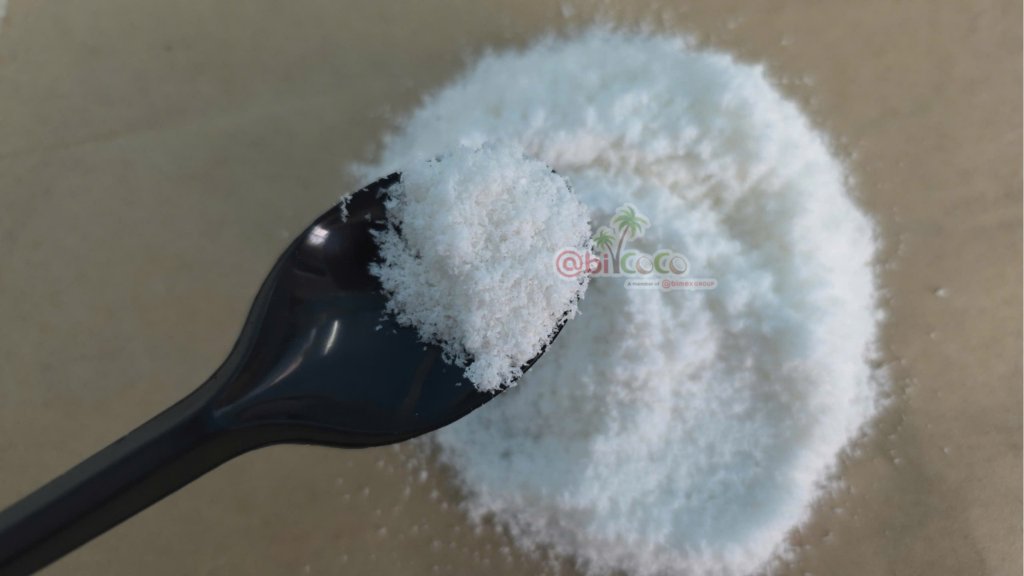
Table of Contents
ToggleDesiccated coconut is typically produced from mature coconut kernels rather than very young coconuts. The maturity of the fruit matters because processors require coconut meat with suitable characteristics for drying, shredding, and further processing.
At the farm level, coconuts do not all mature at exactly the same time. Harvest schedules may depend on factors such as:
As a result, the quantity and condition of coconuts arriving at processing plants may fluctuate during different periods.
For buyers, this means desiccated coconut supply is partly connected to agricultural conditions long before the finished product reaches a warehouse or shipping container.
Water availability plays an important role in coconut cultivation.
Periods of regular rainfall can support tree growth and fruit development, while unusually dry conditions may place additional stress on coconut trees. On the other hand, excessive rainfall can also create challenges for harvesting, transportation, and farm operations.
The impact is rarely immediate.
Changes in weather conditions can affect flowering, fruit development, and future harvests over a longer agricultural cycle. This is one reason buyers should avoid assuming that one month of heavy rain or dry weather will automatically translate into a specific change in coconut output.
For procurement teams, the more practical approach is to monitor seasonal conditions as one of several factors that may influence future raw-material availability.
Seasonality does not only relate to quantity. It can also influence raw material characteristics.
Coconuts collected from different farms, varieties, regions, or harvest periods may show natural variation in kernel thickness, moisture, oil content, color, and overall maturity.
Processors therefore need raw-material selection and quality-control procedures to maintain consistent finished-product specifications.
For manufacturers purchasing ingredients, consistency is especially important when desiccated coconut is used in applications such as:
Reliable desiccated coconut supply depends not only on having enough coconuts available, but also on having raw materials that meet the processor’s requirements.
Professional manufacturers generally manage agricultural seasonality through a combination of sourcing, production planning, inventory management, and supplier relationships.
For example, processors may source coconuts through established farming communities or collection networks rather than relying on a single growing area. Diversified sourcing can help reduce the impact of localized weather or harvesting disruptions.
Production facilities may also coordinate raw-material intake with processing schedules to maintain more stable operations.
From a buyer’s perspective, understanding how a supplier manages desiccated coconut supply can be just as important as understanding the product specification itself.
Useful questions may include:
These questions provide useful procurement information without relying on assumptions about exact seasonal production.
Agricultural supply does not end at the farm.
After harvesting, coconuts need to be transported to collection points or processing facilities. Seasonal weather may affect road conditions, loading schedules, farm access, and transportation efficiency in certain producing areas.
Heavy rainfall, for example, can sometimes make agricultural logistics more difficult. Other local factors such as holidays, labor conditions, port schedules, or transportation capacity can also influence supply-chain timing.
For international buyers, this means desiccated coconut supply should be evaluated as part of the wider supply chain rather than only at the factory level.
Building appropriate lead times into procurement planning can therefore help businesses manage normal fluctuations more effectively.
One common misconception is that coconut sourcing follows a single global harvest calendar.
In reality, coconut-producing regions can have different climate patterns, harvesting practices, and agricultural cycles. Some areas may experience relatively continuous harvesting, while others may see more noticeable seasonal variation.
Weather conditions also change from year to year.
Because of this, buyers should be cautious about statements such as “this month always has the highest production” or “prices always increase during a particular season” unless those claims are supported by specific, current market and production data.
Seasonality can influence desiccated coconut supply, but it does not create a perfectly predictable pattern.
Not every desiccated coconut product requires exactly the same raw material or processing conditions.
Buyers may request different specifications, including:
Some product requirements may require additional sorting, processing, certification, or production planning.
As a result, general coconut availability does not necessarily mean every specification will be available at the same time.
When discussing desiccated coconut supply, buyers should therefore communicate their technical requirements, expected quantities, packaging formats, destination market, and delivery schedules as early as possible.
Rather than trying to predict every seasonal change, procurement teams can focus on practical risk-management measures.
First, maintain regular communication with suppliers. Early visibility into purchasing requirements gives manufacturers more time to coordinate raw materials, production, packaging, and shipping.
Second, consider forecast-based purchasing. Sharing estimated demand can help both buyers and suppliers prepare more effectively, even when actual orders remain subject to change.
Third, avoid relying solely on spot purchasing when supply continuity is important. Longer-term supplier relationships can make it easier to discuss production schedules, documentation, and future requirements.
Finally, review product specifications carefully. Flexibility in packaging, shipment timing, or certain non-critical specifications may sometimes make sourcing easier, depending on the application.
These practices do not eliminate agricultural seasonality, but they can help companies manage desiccated coconut supply with greater visibility and flexibility.
Coconut harvest seasons are an important consideration, but they are only one part of the overall sourcing environment.
Raw coconut availability, processing capacity, quality requirements, logistics, packaging materials, certifications, shipping conditions, and customer demand can all influence the movement of finished products through the supply chain.
For food manufacturers and importers, the most effective approach is therefore to treat seasonality as a planning factor rather than a precise forecasting tool.
A strong supplier relationship, clear specifications, realistic lead times, and regular communication can help businesses build a more resilient desiccated coconut supply strategy without relying on fixed assumptions about production volumes or market prices.
Abimex Group supports B2B buyers looking for coconut ingredients for food manufacturing, distribution, wholesale, and private-label applications.
From product specifications and packaging requirements to sourcing discussions and export coordination, Abimex Group works with international customers to identify solutions that fit their target markets and business needs.
If your business is evaluating desiccated coconut supply for upcoming purchasing plans, contact Abimex Group to discuss specifications, packaging options, documentation requirements, and supply considerations for your market.